
Plantain
Disclosure: This post may contain affiliate links. Learn more here.
Plantain (Plantago major) is one of those plants that doesn’t wait to be discovered out in the wild, it grows right where you already are. It settles into the worn-in places of everyday life, in the yard where children play, along the path to the garden, and beside the house where you pass by without thinking. There is nothing showy about it, nothing that immediately draws your attention, which is exactly why it is so often overlooked. But once you begin to notice it, you start to realize it has been quietly growing alongside you the entire time, offering something you didn’t yet know to look for.
The Beginning of My Herbal Journey
My first herb I ever learned how to identify and forage. I got poison ivy all over my entire 5 months pregnant stomach going mushroom hunting in 2021. What should have been a simple day outside turned into something uncomfortable and overwhelming, especially in a season where I was already carrying new life and being mindful of everything I put in and on my body.
After the OB telling me theres nothing I could take or do except calamine lotion, I took to searching for an herbal remedy. I was working from home and I found an online herbal school Home Herb School by Elizabeth Heck. What started as a search for relief slowly became something deeper, because I realized I didn’t just want a quick fix, I wanted to understand how to care for my body in a way that was clean and healthy.
I was shocked to find that these herbs she was teaching me about grew right outside my door! I thought I would have to go foraging in state parks. That belief had always been there, that healing plants were something far away, something you had to go out and find in untouched places.
I found this herb right beside the house in the yard. I picked an entire bowl full after the rain and I strung them up with thread and a needle to hang in our spare bedroom. That moment marked the beginning of seeing my surroundings differently, not as ordinary space, but as something living, providing, and full of purpose.
Botanical Overview of Plantain (Plantago major)
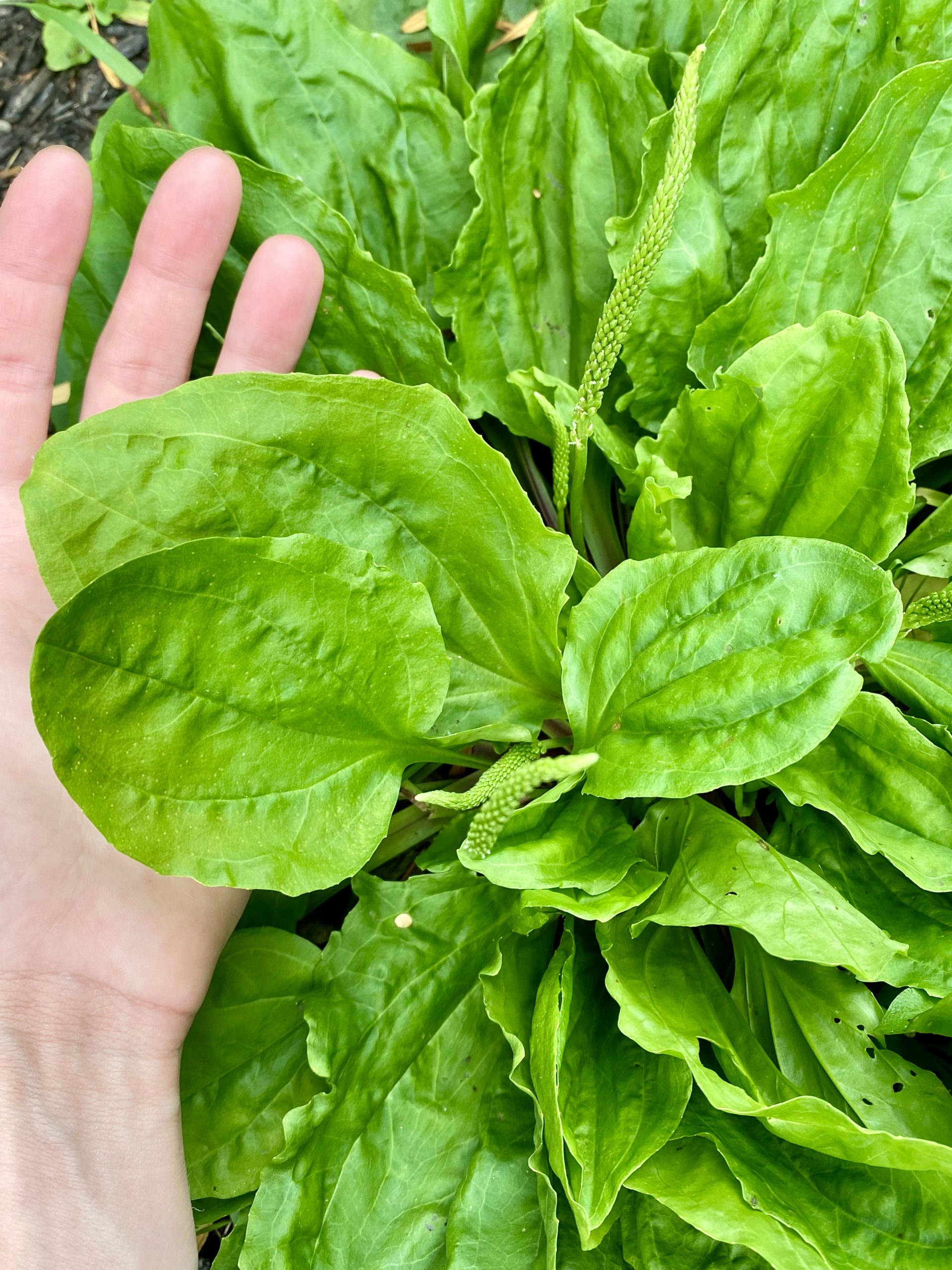
Plantain (Plantago major) is a low-growing perennial herb that has followed human movement for centuries, settling into compacted soils, pathways, and disturbed ground. It belongs to the Plantaginaceae family and is often one of the first plants to appear in areas where the soil has been walked on, worked, or compressed. This resilience is part of what makes it so dependable, showing up consistently without needing cultivation or care.
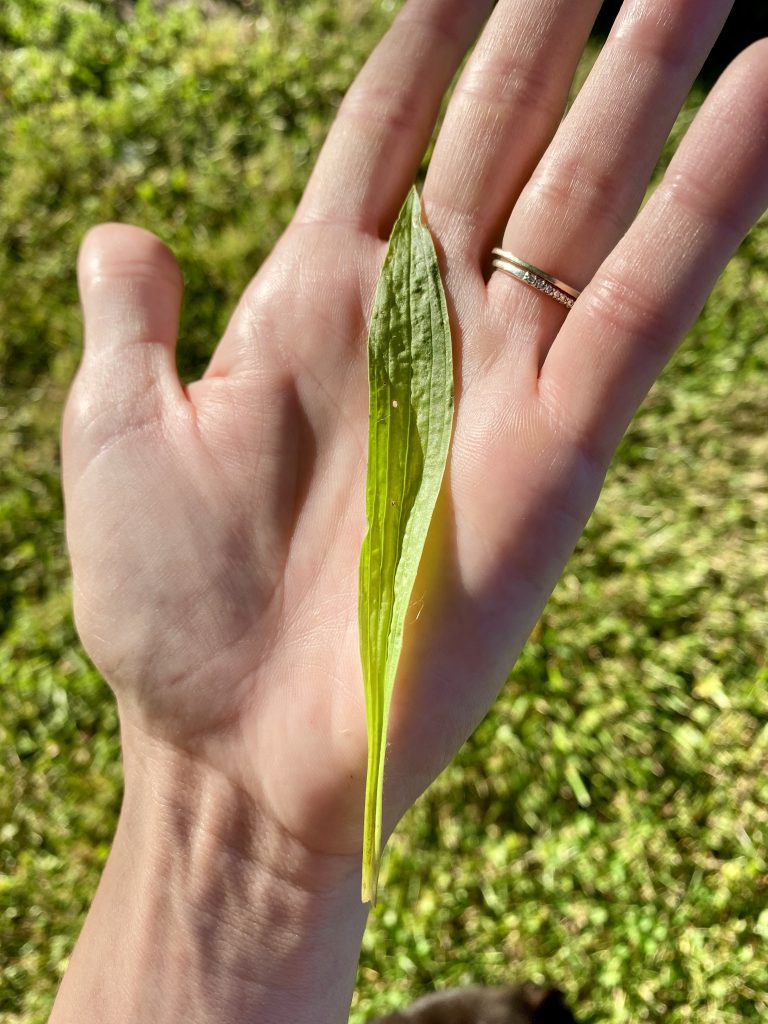
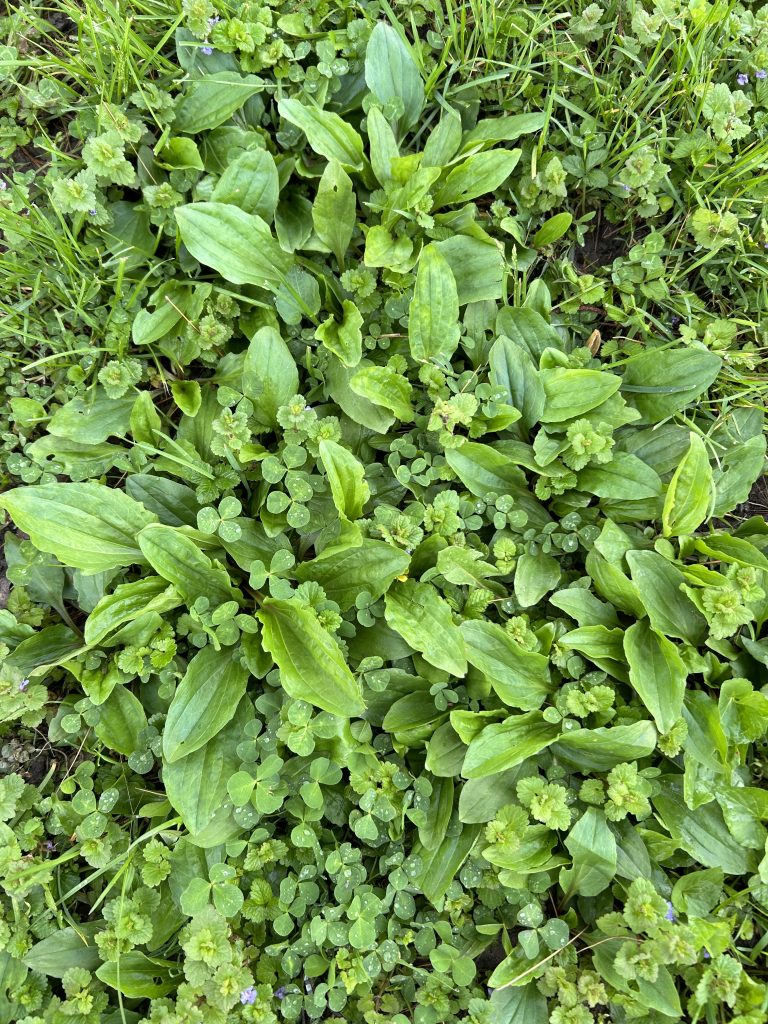
Alongside it grows narrowleaf plantain (Plantago lanceolata), a close relative that shares many of the same properties but carries a slightly different growth pattern. While broadleaf plantain spreads outward in a rosette of wide leaves, narrowleaf grows more upright with long, slender blades. Both plants are used interchangeably in herbal practice, offering similar support to the body.
Identification and Growth Habit
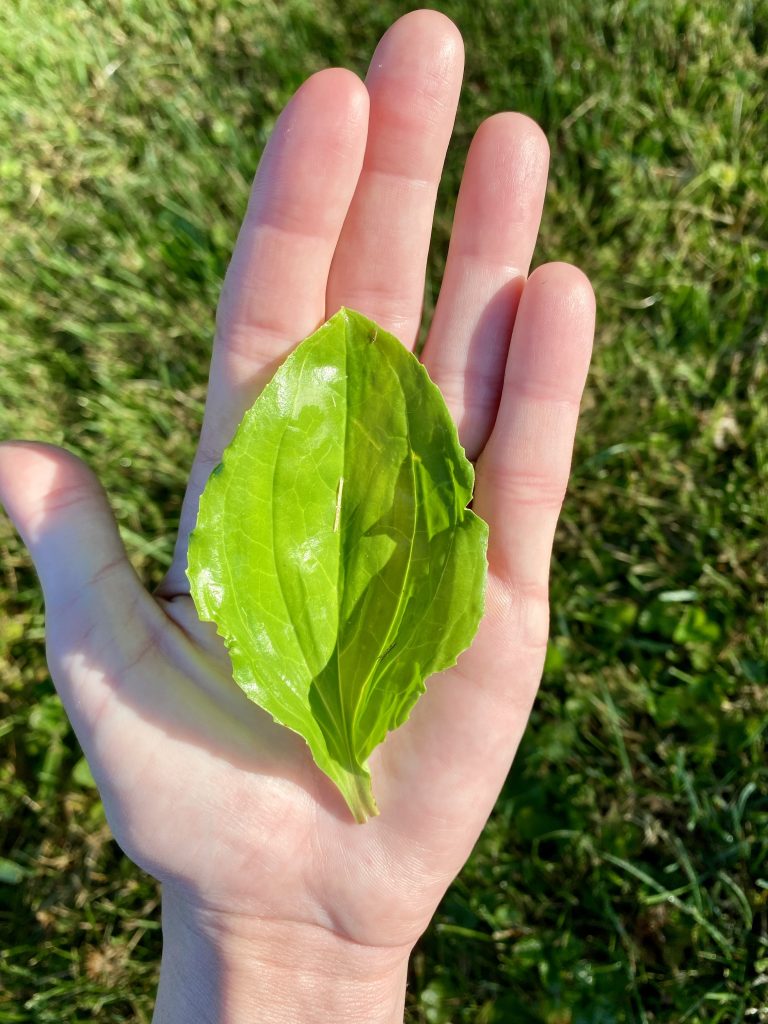
Once you begin to recognize plantain (Plantago major), it becomes unmistakable in the landscape. The leaves grow low in a circular rosette, each one marked with strong parallel veins that run from the base to the tip. When the leaf is torn, those veins hold together like threads, a small detail that becomes a reliable identifying feature over time.
Narrowleaf plantain (Plantago lanceolata) carries that same veining, though the leaves are long and narrow, rising more upright from the base. Both varieties send up tall flower stalks that later turn to seed, standing above the leaves through the warmer months. These growth patterns make them easy to recognize once you know what you are looking for.
Natural Habitat and Growing Conditions
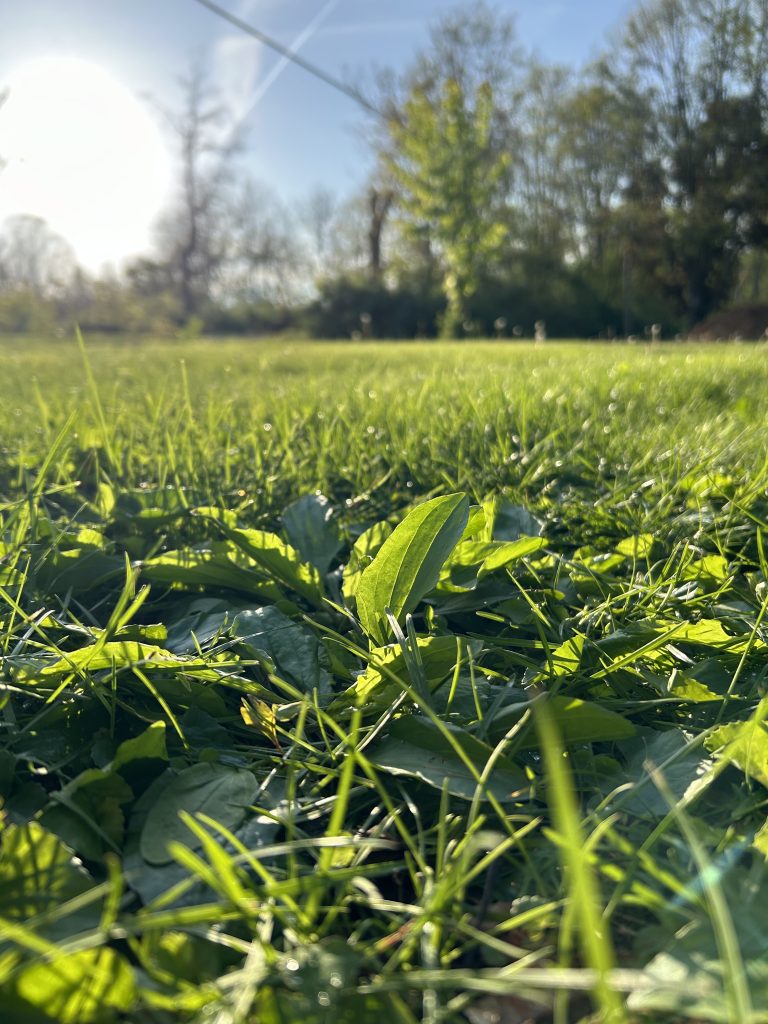
Plantain (Plantago major) thrives in places where many other plants struggle, especially in compacted or disturbed soils. You will often find it in yards, along driveways, near garden beds, and anywhere the ground has been walked on repeatedly. It does not require rich soil or careful tending, which is part of why it has spread so widely across different regions.
This ability to grow in heavily used spaces speaks to its role both ecologically and medicinally. It often appears where the land itself has been stressed, offering support in the same way it supports irritated or damaged tissue in the body. The environment it chooses mirrors the conditions it is best suited to help.
Herbal Energetics of Plantain
Plantain (Plantago major) carries a cooling and moistening energetic, which becomes clear the first time you work with it. Where there is heat, irritation, or dryness in the body, plantain brings a sense of calm and balance rather than stimulation. It does not push or force a reaction, but instead supports the body in settling and restoring itself.
This gentle nature makes it especially helpful in situations where tissues are inflamed or reactive. Whether applied externally or taken internally, it meets the body with steadiness, softening what has become aggravated. It is one of those herbs that feels approachable, even for those just beginning to work with plants.
Medicinal Actions and Nutritional Value
Plantain (Plantago major) is known for its ability to support tissue healing, particularly when there is irritation or damage present. Its natural compounds, including mucilage and tannins, contribute to its soothing and toning effects on the body’s tissues. These constituents allow it to coat, protect, and gently tighten areas that have become inflamed or compromised.
Rather than acting quickly and aggressively, plantain works in a steady and supportive way. It encourages the body’s own healing processes, helping to restore balance over time. This makes it especially valuable in both acute situations and more ongoing forms of irritation within the body.
How Plantain (Plantago major) Supports the Body
Plantain (Plantago major) is one of those herbs that quietly supports multiple systems in the body. It often shows up in the small, everyday moments where something needs to be soothed, drawn out, or gently repaired. It does not work in an aggressive or forceful way, but instead comes alongside the body, helping tissues calm down and return to balance. This is what makes it such a dependable herb to keep close. Especially in a home where you are caring for children, working outside, and living closely with the land.
1. Skin & First Aid Support
Plantain is best known as a first-aid herb, especially when it comes to the skin. Its natural drawing ability helps pull out irritation from bug bites, stings, splinters, and even poison ivy, while its anti-inflammatory properties calm redness, swelling, and itching. It also supports wound healing by encouraging tissue repair, making it useful for cuts, scrapes, and minor skin injuries.
2. Drawing & Detoxifying Support
One of plantain’s most unique gifts is its ability to draw out what the body does not need. Whether that is venom from a bite, debris from the skin, or irritation trapped in tissue, plantain helps bring it to the surface so the body can move it out. This makes it especially valuable in acute situations where something needs to be removed gently but effectively.
3. Digestive System Support
Internally, plantain (Plantago major) offers soothing support to the digestive tract. Its demulcent properties coat and protect irritated tissues, which can be helpful for issues like gastritis, ulcers, or general gut inflammation. At the same time, its mild astringency helps tone tissues, making it supportive for loose stools or digestive imbalance.
4. Respiratory System
Plantain also has a long history of use for the lungs and respiratory system. It helps soothe dry, irritated airways, making it useful for coughs, bronchial irritation, and seasonal dryness. Rather than suppressing symptoms, it supports the body in calming inflammation and restoring comfort to the tissues.
5. Urinary Tract Support
Because of its soothing and mildly astringent nature, plantain can also support the urinary system. It has traditionally been used when there is irritation or inflammation in the urinary tract, helping to calm tissues and support normal function. This makes it a gentle option for ongoing support rather than something overly stimulating.
6. Oral & Tissue Healing Support
Plantain’s ability to support tissue healing extends into the mouth and mucous membranes. It has been used for gum irritation, minor mouth wounds, and general inflammation, where its soothing and protective qualities can be directly applied. This reinforces its role as a true tissue healer throughout the body.
Foraging and Harvesting Plantain
Harvesting plantain (Plantago major) becomes something that naturally fits into everyday life once you begin to recognize it. It grows in the same spaces you already move through, making it accessible without needing to travel or plan extensively. Gathering becomes less about seeking and more about noticing what is already there.
It is best harvested from clean areas, away from roads or places that may have been sprayed or contaminated. Taking only what you need ensures that the plant continues to thrive and return year after year. This practice builds a relationship with the land rather than simply taking from it.
Recommended Equipment
Harvesting plantain does not require much, which is part of its simplicity.
- A small basket or bowl allows you to gather leaves without damaging them, keeping them fresh as you move through your space.
- Scissors or a knife, though the leaves can easily be harvested by hand.
Seasonal Timing
Plantain (Plantago major) can be harvested throughout the growing season, though the leaves are most tender in the spring and early summer. As the plant matures, the leaves become tougher, but they still retain their usefulness. Paying attention to these seasonal shifts helps guide how you choose to use the plant.
Ethical Harvesting Practices
Learning to harvest plantain also means learning to take only what you need. Leaving plenty behind allows the plant to continue growing and reseeding, ensuring it remains abundant for seasons to come. Choosing clean, unsprayed areas is equally important, protecting both your health and the integrity of your preparations.
Preservation
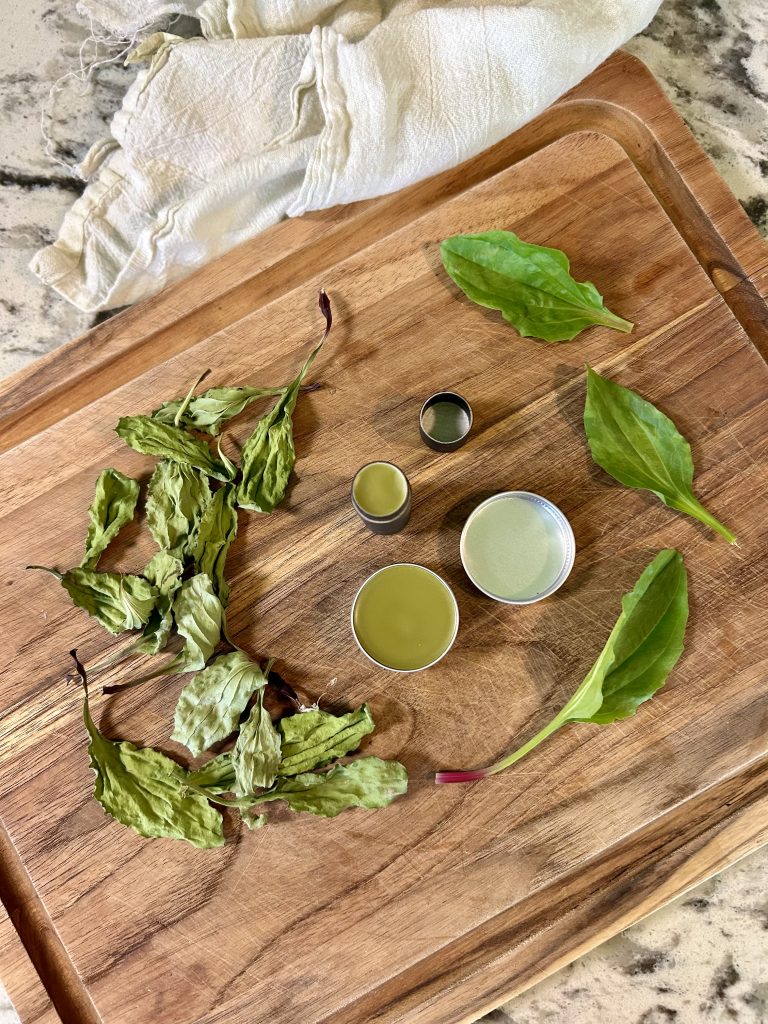
When it comes to preserving plantain, I like to keep things simple and as close to nature as possible. One of the easiest ways is to harvest the leaves after a rain. When the leaves are clean and full, then allow them to air dry slowly. In a warm, well-ventilated space out of direct sunlight. I often string them with thread and a needle and hang them in our spare room. Just like I did when I first started learning to work with herbs.
Once fully dried, the leaves can be stored in glass jars and kept for teas, infusions, or future herbal preparations throughout the year. If you’d like a more detailed step-by-step on my natural drying process, you can read my full guide here: Drying Herbs Naturally
Ways to Use Plantain Medicinally
Plantain (Plantago major) is simple to work with, and that simplicity is part of what makes it so valuable in daily life. It does not require complicated preparation to be effective. Many of its most powerful uses come from working with it in its most natural form.
Fresh Poultice
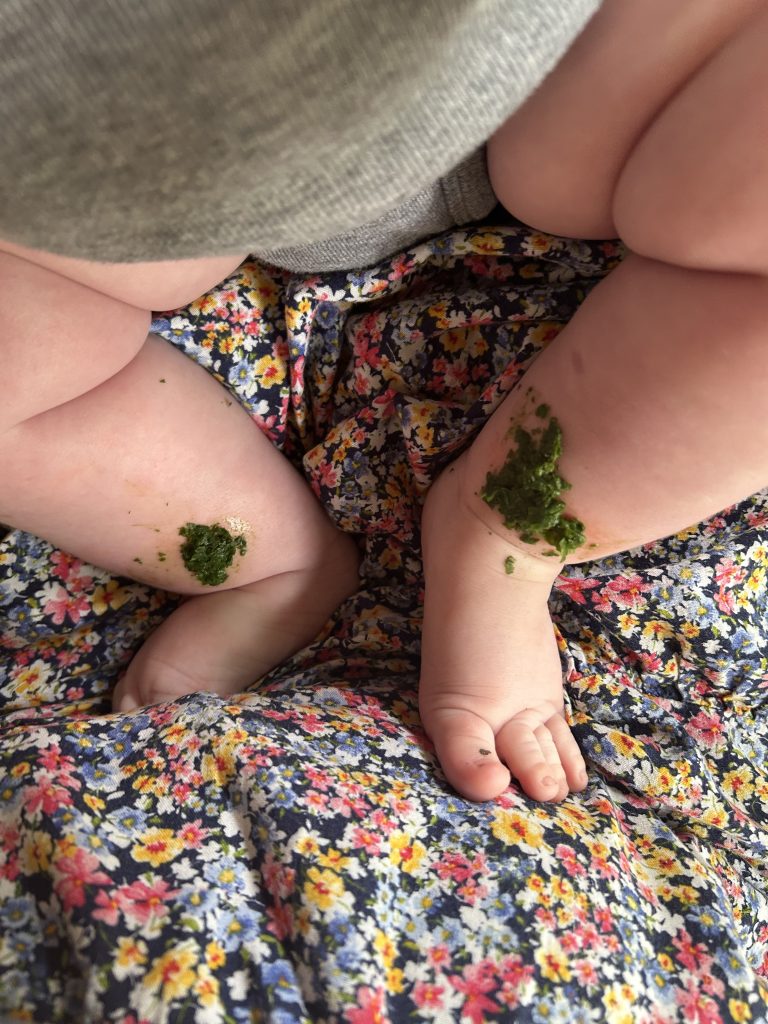
One of the most traditional and effective ways to use plantain is as a fresh poultice. The leaf can be chewed or crushed and applied directly to the skin, where it immediately begins to soothe irritation and draw out what does not belong. This is often the first thing to reach for in the case of bites, stings, or rashes.
Tea (Infusion)
Plantain can be dried and used as a tea to support the digestive and respiratory systems. A simple infusion helps soothe internal tissues, making it a gentle daily support when the body feels irritated or out of balance. It is mild in taste and easy to incorporate into regular use.
Tincture
A tincture made from fresh or dried plantain allows for more concentrated internal support. This preparation is often used for digestive irritation, respiratory discomfort, or when consistent support is needed over time. It is a convenient way to keep plantain’s benefits available year-round. If you’d like a more detailed step-by-step tutorial, you can read my full guide here: How To Make A Tincture
Infused Oil
Plantain leaves can be infused into a carrier oil, drawing out their soothing and anti-inflammatory properties. This oil can be used directly on the skin or as a base for other preparations. It is especially useful for ongoing skin concerns or areas that need repeated support.
Salve
By combining infused oil with beeswax, plantain can be turned into a salve that is easy to store and apply. This becomes a staple in the home apothecary, used for cuts, scrapes, dry skin, bites, and general skin irritation. It is one of the most practical ways to keep plantain ready for everyday use.
In Closing
What stayed with me most from that experience was how close the medicine actually was the entire time. It wasn’t something I had to chase down or find in a distant place. It was already growing in the spaces I moved through every day. Plantain taught me to slow down and pay attention to what’s already here, quietly offering support without ever demanding attention. It’s a reminder I still come back to often—that sometimes what we need most is already right outside our door, just waiting to be noticed.
Medical Disclaimer
Here's a version with shorter sentences while preserving your meaning and professional tone.
Medical Disclaimer
The information provided in this blog post is for educational and informational purposes only. It is not intended as medical advice. I am not a licensed healthcare professional. The content shared on this website is not a substitute for professional medical guidance, diagnosis, or treatment.
Always consult a qualified healthcare provider before making changes to your health regimen. This is especially important if you are pregnant, nursing, taking medications, or have an existing health condition. Never disregard professional medical advice or delay seeking care because of something you have read on this website.
Herbal remedies and natural wellness practices may support the body, but they are not one-size-fits-all. Every individual is unique. What works well for one person may not be appropriate for another.
I strive to share accurate, current, and well-researched herbal information based on both traditional and modern sources. However, I make no guarantees regarding the results you may experience.
By using this blog and engaging with its content, you acknowledge that you do so at your own risk. I am not responsible for any adverse effects or consequences resulting from the use or misuse of the information provided on this website.
