
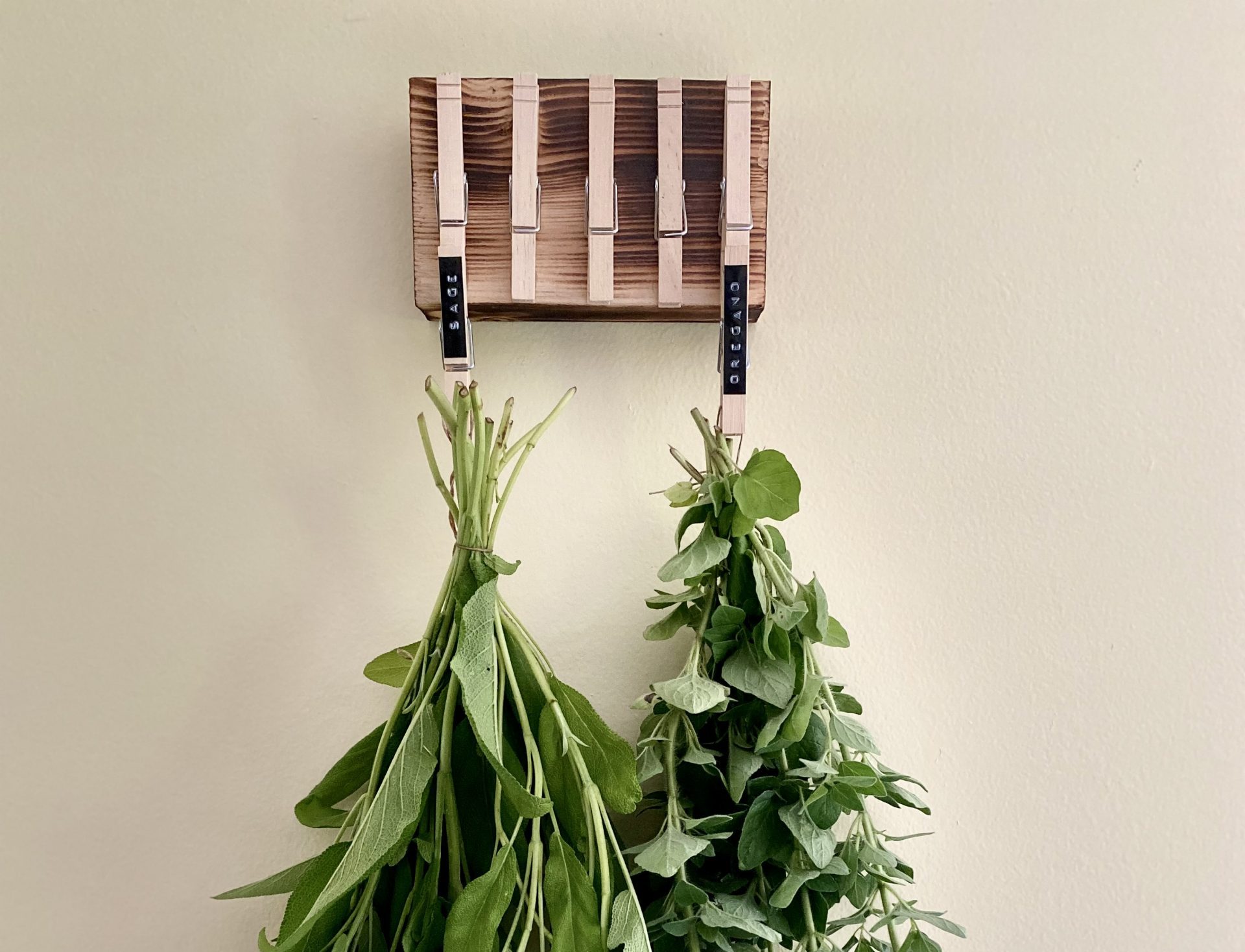
Drying Herbs Naturally
Disclosure: This post may contain affiliate links. Learn more here.
Why Drying Herbs Is One of the Oldest Preservation Methods
Long before modern dehydrators and freeze dryers, drying herbs naturally was one of the simplest and most reliable ways to preserve food and medicine. Across cultures, families relied on air drying herbs to extend the life of what they harvested, allowing them to store nourishment for the colder months when little was growing.
Drying herbs naturally is more than just removing moisture. When done properly, it preserves the plant’s color, aroma, and medicinal properties so they can be used for teas, cooking, and home remedies throughout the year. It’s a method that requires very little equipment, yet offers so much in return.
What Happens When You Dry Herbs
Fresh herbs are full of moisture, enzymes, and delicate plant compounds that begin to break down soon after harvesting. If that moisture remains, it creates an environment where mold and bacteria can grow, leading to spoilage. Air drying herbs removes that moisture slowly, stabilizing the plant so it can be stored safely.
At the same time, many herbs contain volatile oils that give them their flavor, scent, and medicinal benefits. These oils are sensitive to heat, light, and excess air exposure, which is why drying herbs naturally in a cool, shaded space helps preserve their potency. Herbs like stinging nettle also contain valuable minerals, and gentle drying helps retain their overall quality and nutrient density.
Two Simple Methods for Drying Herbs at Home
In our home, I use two main methods for drying herbs, depending on the type of plant and how much moisture it holds.
Hanging Herbs Upside Down (Best for Air Drying Herbs)
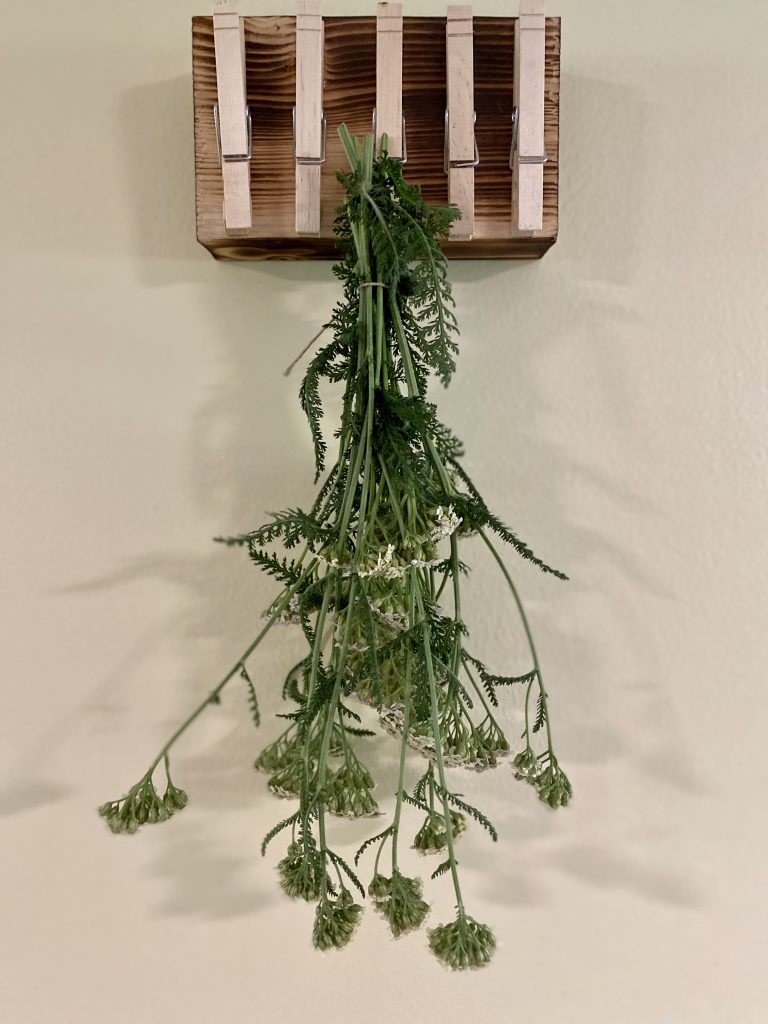
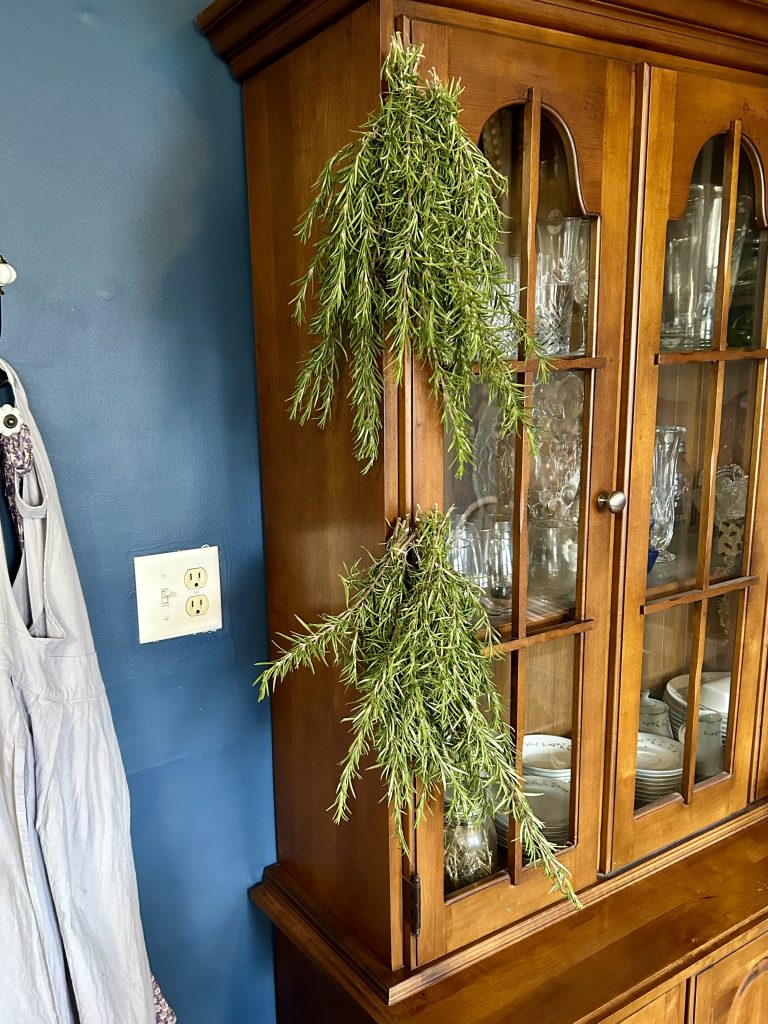
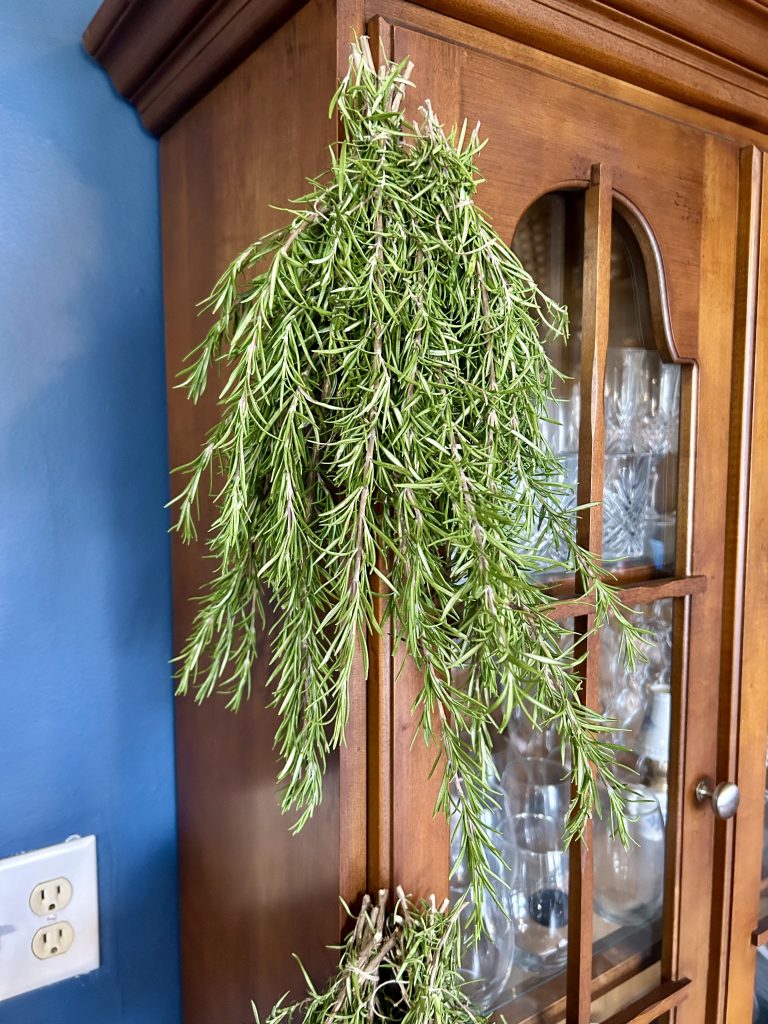
Hanging herbs upside down is the most traditional method of air drying herbs and works especially well for sturdier plants like lavender, yarrow, sage, oregano, and rosemary. These herbs have lower moisture content and strong stems, making them ideal for bundling.
What You'll Need
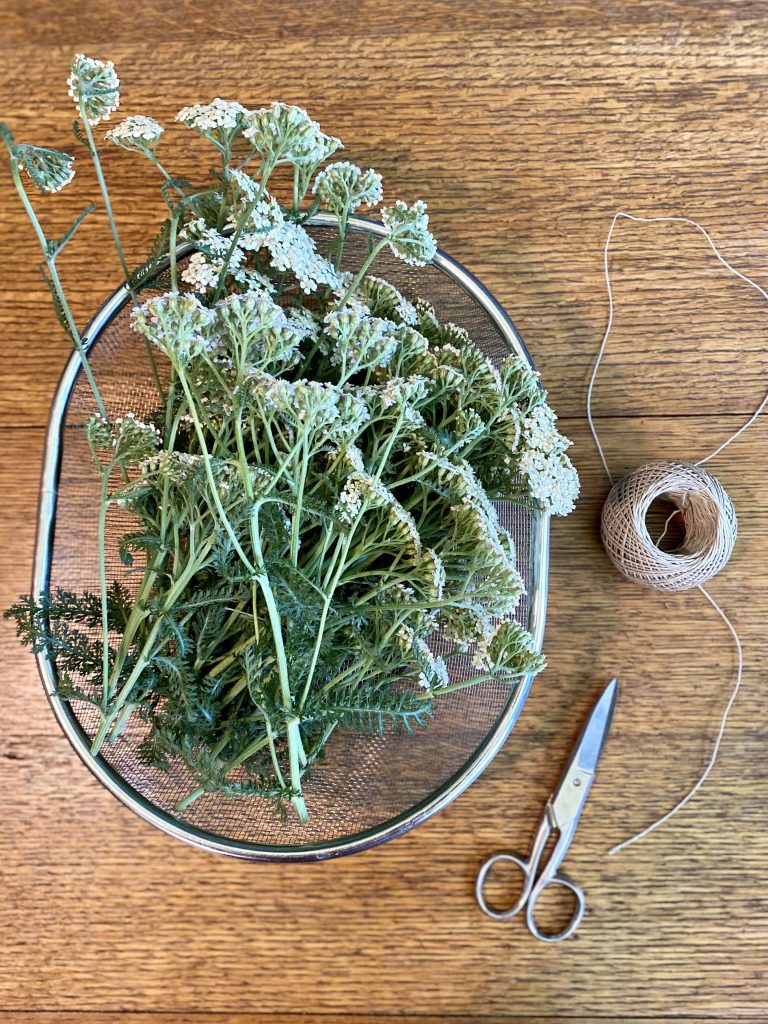
- Scissors
- Twine, cotton yarn, or rubber bands
- A hook, or undone paperclip in the shape of a C
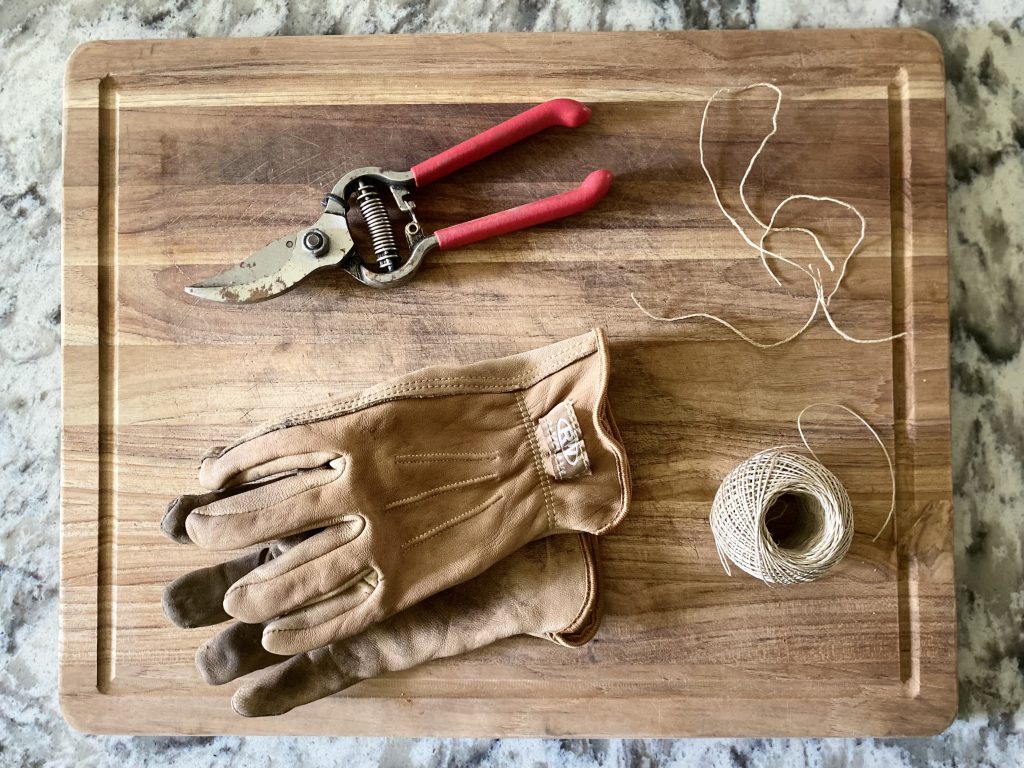
How to dry herbs by hanging:
- Harvest herbs in the morning after the dew has dried
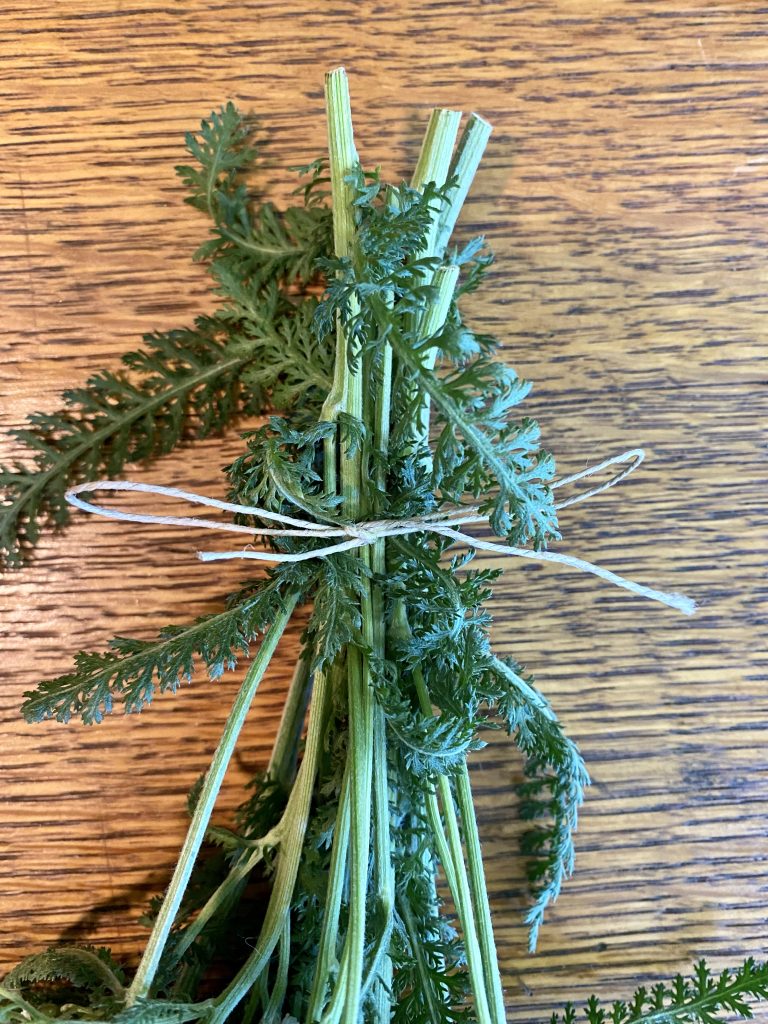
- Gather into small bundles (about 5–10 stems)
- Secure tightly with a rubber band so bundles stay together as they shrink
- Attach a hook (a bent paper clip works well)
- Hang upside down in a dry, well-ventilated space out of direct sunlight
I often hang mine in the kitchen or a spare room, where they can dry slowly with steady airflow.
Drying Herbs on a Screen (Best for Leafy Herbs)
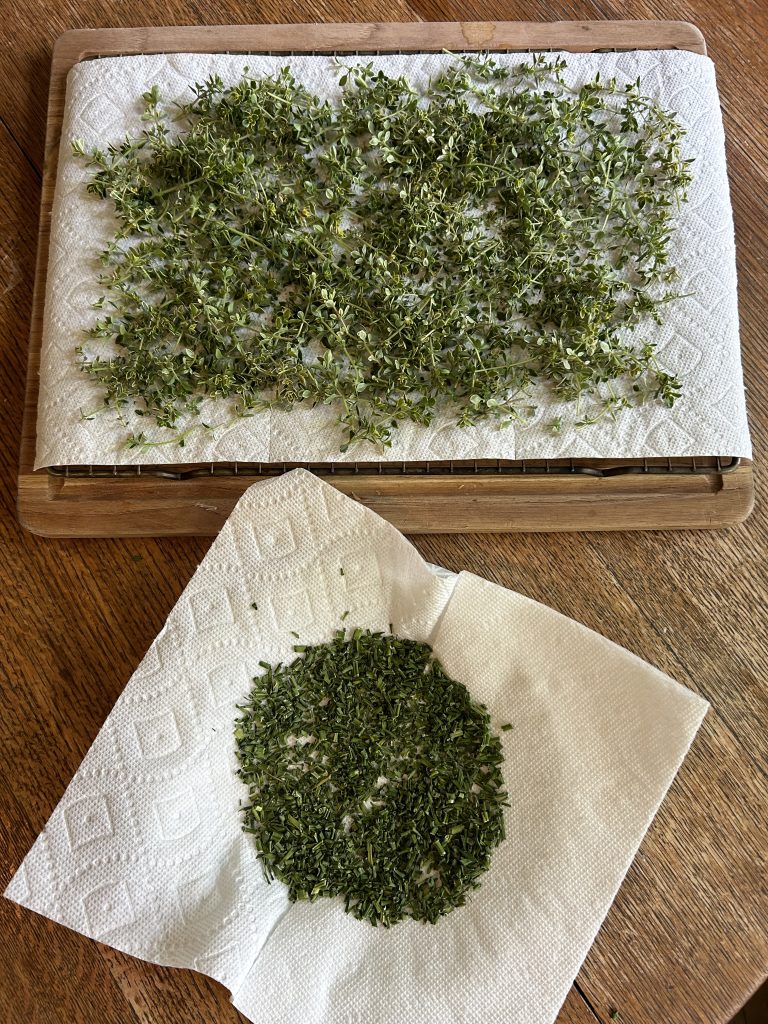
Some herbs are better suited for drying flat rather than in bundles. This is especially true for leafy or moisture-rich herbs like stinging nettle, mint, or lemon balm, which can trap moisture if bundled too tightly.
What You'll Need
- Wooden herb drying rack or Mesh hanging dryer
How to dry herbs on a screen:
- Lay herbs in a single layer on a breathable drying screen or rack
- Place in a warm, dry area with good airflow
- Turn occasionally for even drying
- Allow herbs to fully dry before storing
This method is especially helpful in humid climates, where proper airflow is key to preventing mold during the drying process.
A Simple Setup for Drying Herbs Naturally
One of the best things about drying herbs at home is that it doesn’t require expensive equipment. A simple setup using everyday materials works beautifully and keeps the process accessible.
Twine, rubber bands, and paper clips are often all you need. Bending a paper clip into a C-shape or S-hook makes it easy to hang bundles and move them as needed. This kind of simple, functional setup allows you to dry herbs naturally without overcomplicating the process.
How Long Does It Take to Dry Herbs?
The time it takes for drying herbs will vary depending on the type of plant, humidity levels, and airflow in your home. In my experience, most herbs take anywhere from one to two weeks to fully dry. Herbs with thicker leaves or woody stems, like sage and rosemary, may take a bit longer.
To tell if herbs are fully dried, check that the leaves are crisp and the stems snap cleanly rather than bend. Any remaining moisture can lead to spoilage during storage, so it’s important to let the drying process fully complete.
Best Way to Store Dried Herbs for Maximum Potency
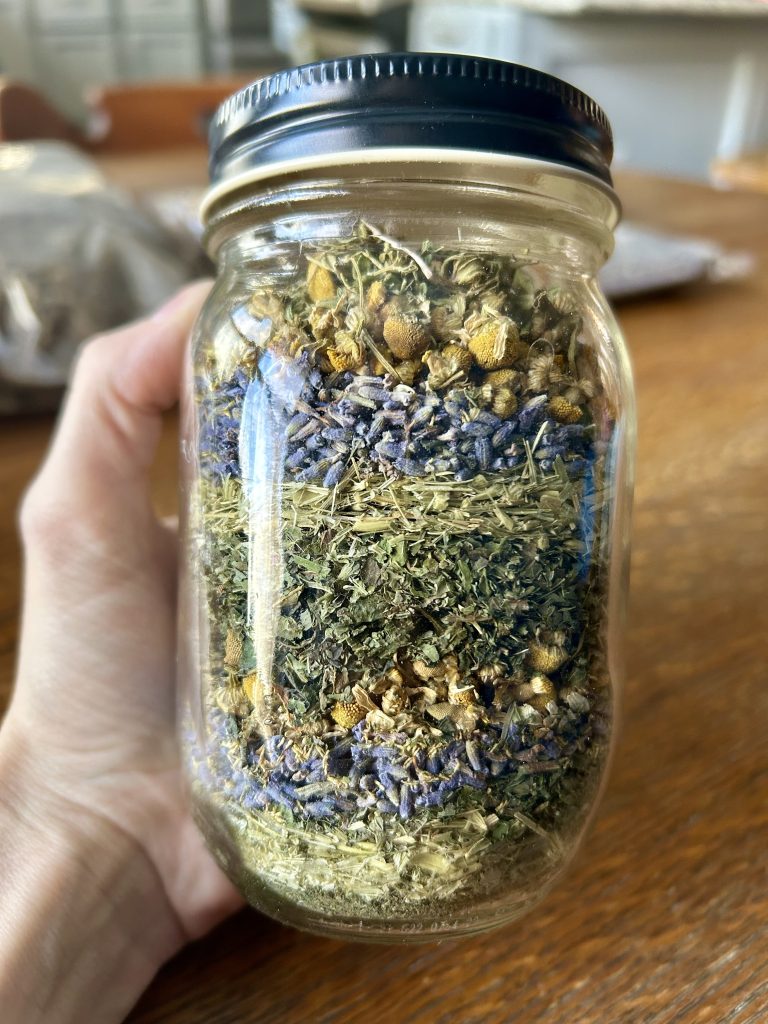
After drying herbs, proper storage is essential for maintaining their flavor and medicinal value. Exposure to light, heat, and oxygen will slowly degrade the quality of dried herbs over time.
How to store dried herbs:
- Place herbs in glass jars with airtight lids AND label with date
- Add oxygen absorbers to help preserve freshness
- Store jars in a cool, dark place
- Limit how often jars are opened to reduce air exposure
When stored properly, dried herbs will retain their potency and flavor for several months, with the best quality typically within 6–12 months.
A Simple Way to Preserve Herbs for Your Home
Drying herbs is one of the simplest and most rewarding ways to preserve what you’ve grown or gathered. It allows you to carry the abundance of one season into the next, creating a home supply of herbs for cooking, teas, and natural remedies.
Over time, it becomes more than just a task. It becomes part of the rhythm of home—a quiet practice of gathering, preserving, and providing. And for the little ones watching along the way, it’s a lesson they’ll carry with them long after the baskets are set down.
