Spring Foraging
A Short List and Guide to Spring Foraging in Zone 6a (Midwest)
Spring foraging in the Midwest offers a variety of edible and medicinal plants, particularly in Zone 6a, which experiences a temperate climate with cold winters and hot summers. Below is a guide for 12 common wild edibles you can forage, including details on identification, uses, and harvesting tips. Break free from cabin fever by taking the whole family out to get fresh air this spring by foraging!
Spring Foraging Fun
Once the ground starts to thaw, our family starts counting down the days until we can start searching for morel mushrooms. The excitement of seeing new green growth in the earth along with warmer air temperatures to finally fill our lungs are some of our favorite things to look forward to after winter. What are some things you most look forward to after being cooped up all winter?
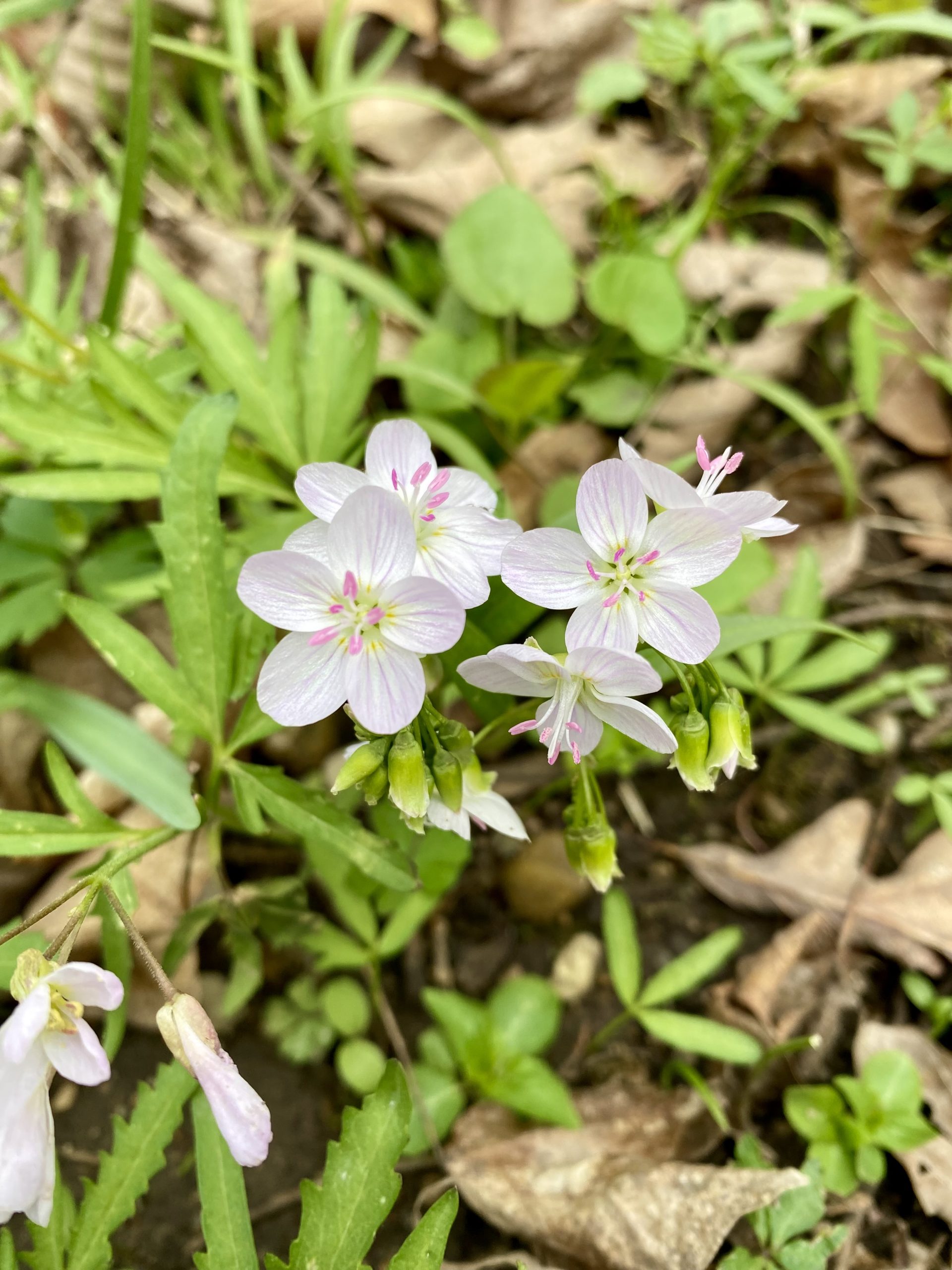
1. Spring Beauty (Claytonia virginica)
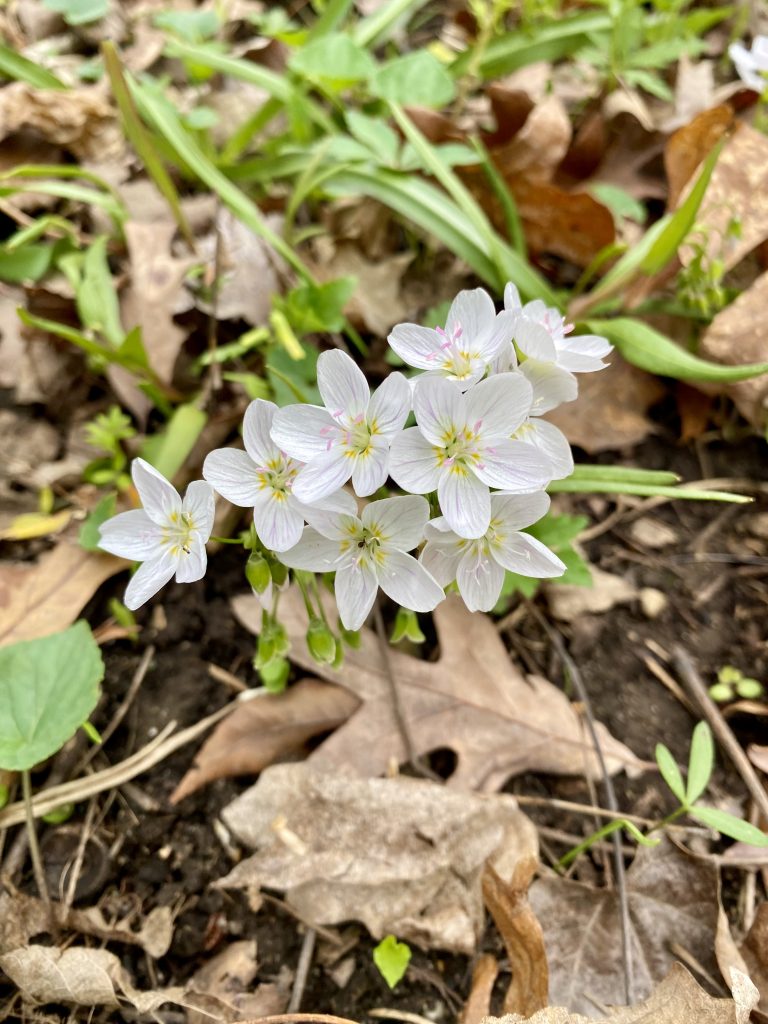
- Identification: Small, delicate flowers with five white to pink petals that have darker pink veins. The leaves are narrow and grass-like.
- Season: Early spring (March to May).
- Edible Parts: Corms (like small potatoes) and leaves.
- Harvesting Tips: Dig up corms carefully, leaving some to regenerate the population. Use the leaves fresh in salads.
- Uses: The corms are nutty and sweet, best boiled or roasted, while the leaves can be used in salads or lightly sautéed.
2. Dandelion (Taraxacum officinale)
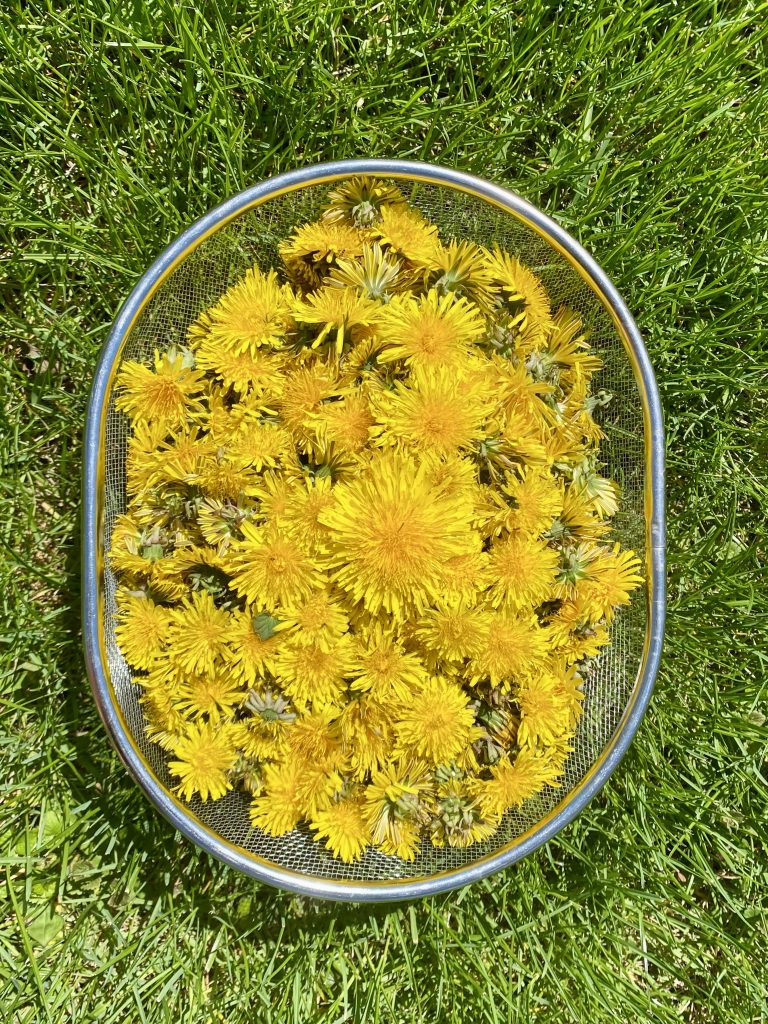
- Identification: Bright yellow flowers, serrated leaves, and a milky sap in the stems.
- Season: Spring through fall.
- Edible Parts: Leaves, flowers, roots.
- Harvesting Tips: Collect young leaves before the plant flowers for less bitterness. Roots can be harvested in fall for roasting.
- Uses: Leaves are great in salads, flowers can be used to make tea or wine, and the roots roasted for a coffee substitute.
3. Stinging Nettle (Urtica dioica)
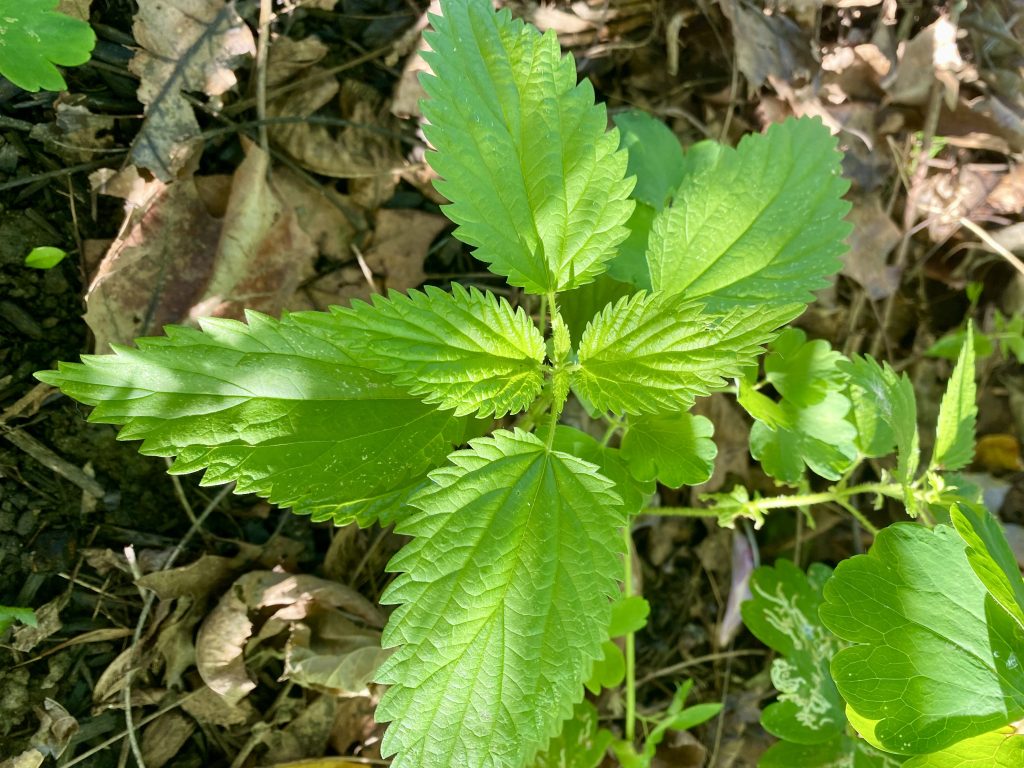
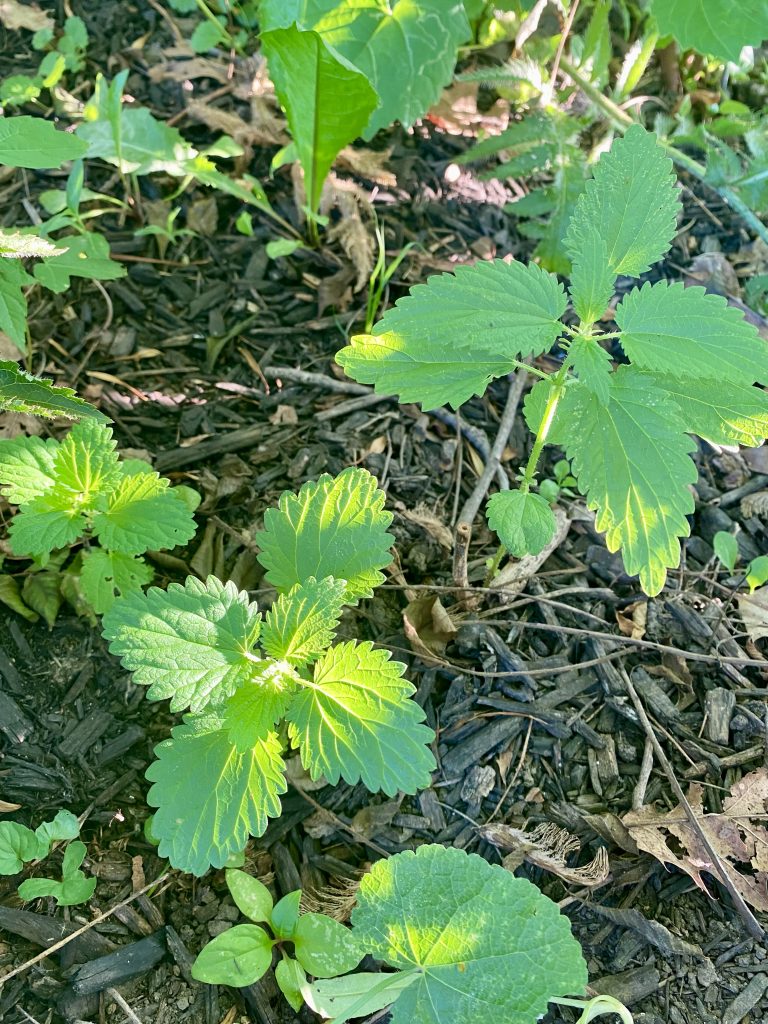
- Identification: Teardrop-shaped leaves with serrated edges and tiny stinging hairs.
- Season: Spring to early summer.
- Edible Parts: Leaves (after blanching, cooking, or drying).
- Harvesting Tips: Wear gloves when handling fresh nettles to avoid the sting. Harvest young leaves and dry or boil them to neutralize the sting.
- Uses: Excellent for soups, stews, and teas. Rich in vitamins A, B2, B3, B6, B9, K, , Calcium, Manganese, Potassium, Iron, Copper, Magnesium, Zinc, Phosphorus, and more!
4. Chickweed (Stellaria media)
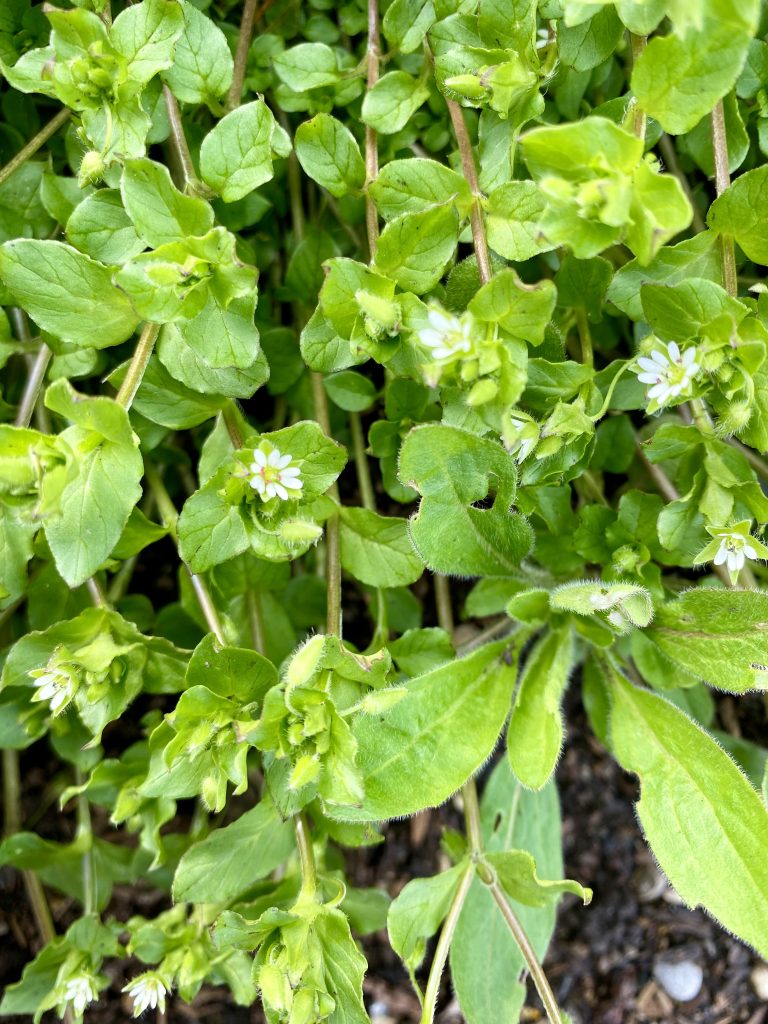
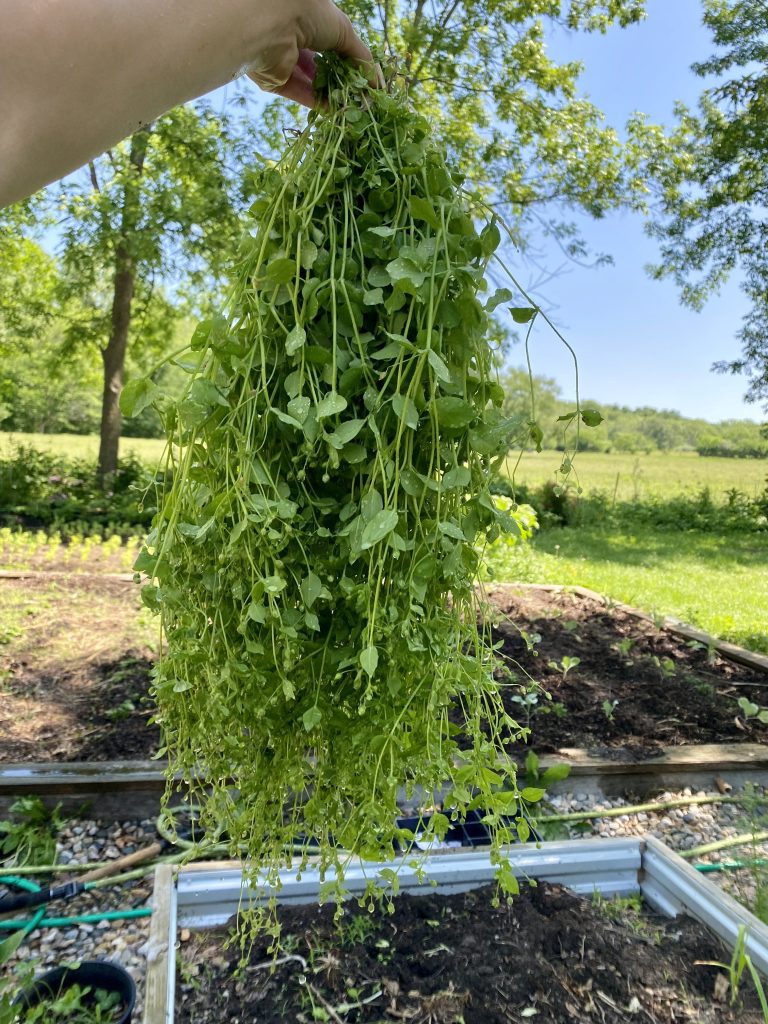
- Identification: Small, delicate white star-shaped flowers with oval leaves in pairs along the stem.
- Season: Late winter to early summer.
- Edible Parts: Entire plant (except roots).
- Harvesting Tips: Harvest tender young shoots and leaves. Chickweed is best used fresh.
- Uses: Ideal for salads, pesto, and as a garnish. It has a mild, slightly sweet flavor.
5. Garlic Mustard (Alliaria petiolata)
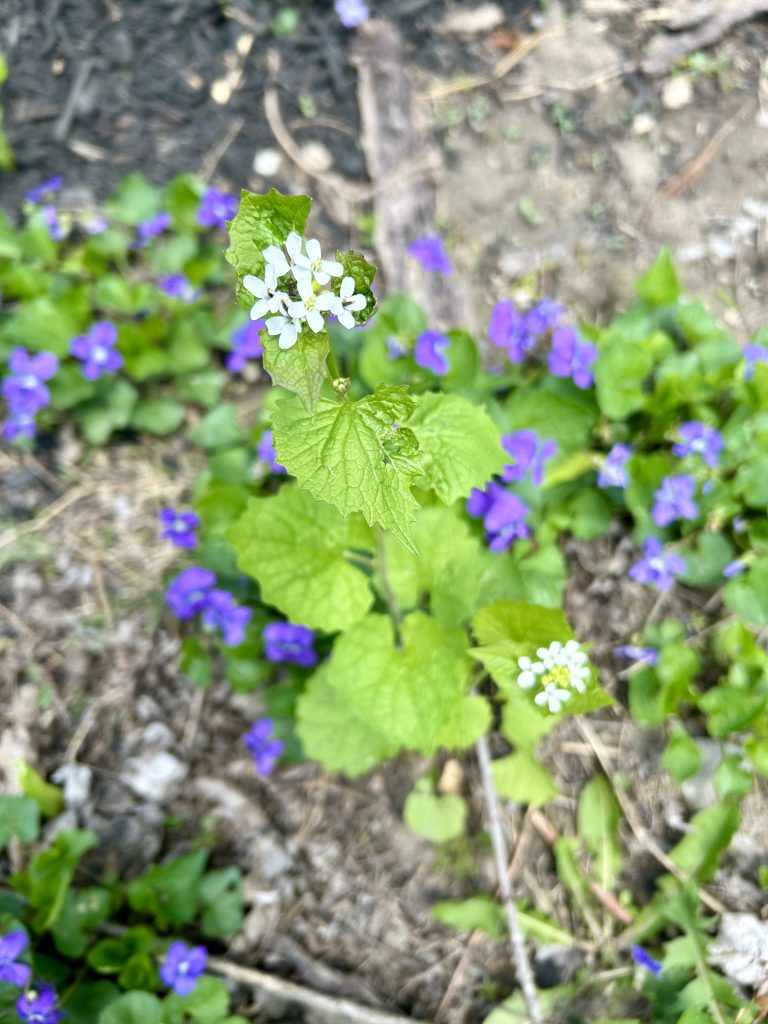
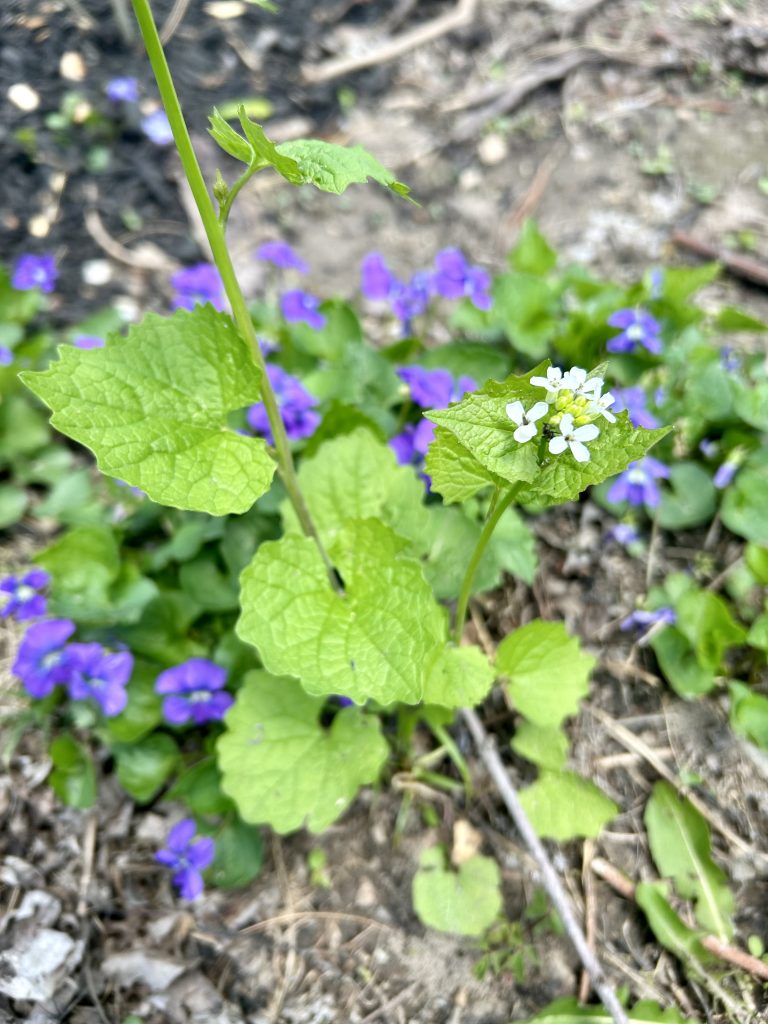
- Identification: Heart-shaped leaves that smell like garlic when crushed. It produces clusters of small white flowers.
- Season: Spring and early summer.
- Edible Parts: Leaves, flowers, roots.
- Harvesting Tips: Use the younger leaves for milder flavor.
- Uses: Great in pesto, salads, or stir-fries. The roots can be pickled and taste like horseradish.
6. Ramps (Allium tricoccum)
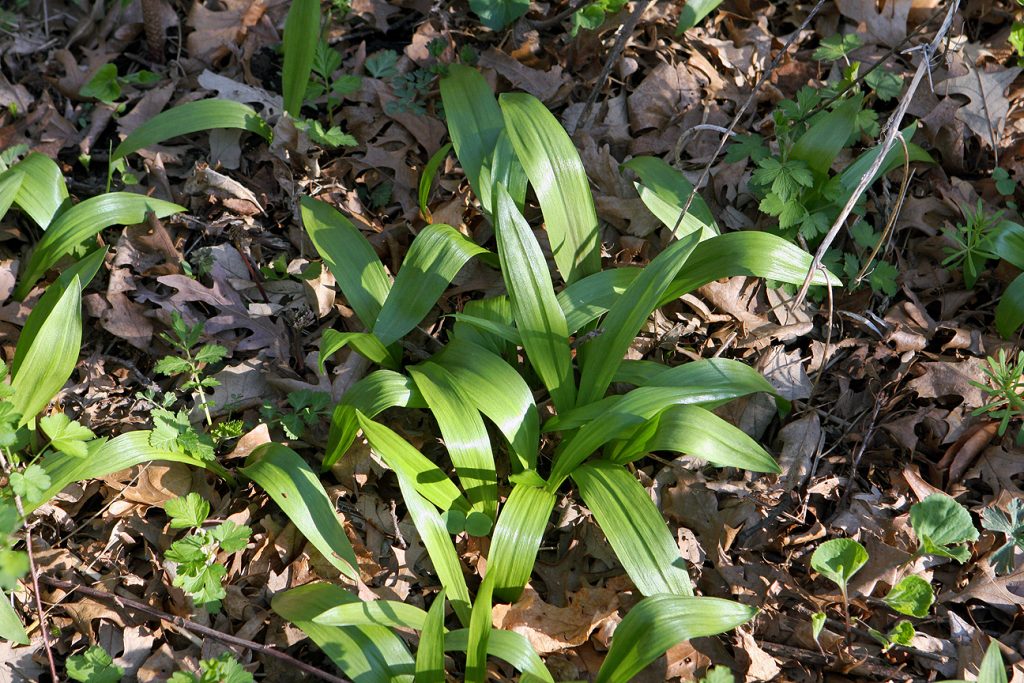
- Identification: Broad, smooth, bright green leaves with a reddish stem, smelling strongly of garlic/onion.
- Season: Early spring.
- Edible Parts: Bulbs, leaves.
- Harvesting Tips: Be sustainable—harvest only one leaf per plant or dig up bulbs sparingly to allow for regrowth.
- Uses: Excellent in soups, stir-fries, and pesto. The leaves are milder than the bulbs, which are stronger in flavor.
7. Wild Onion (Allium canadense)
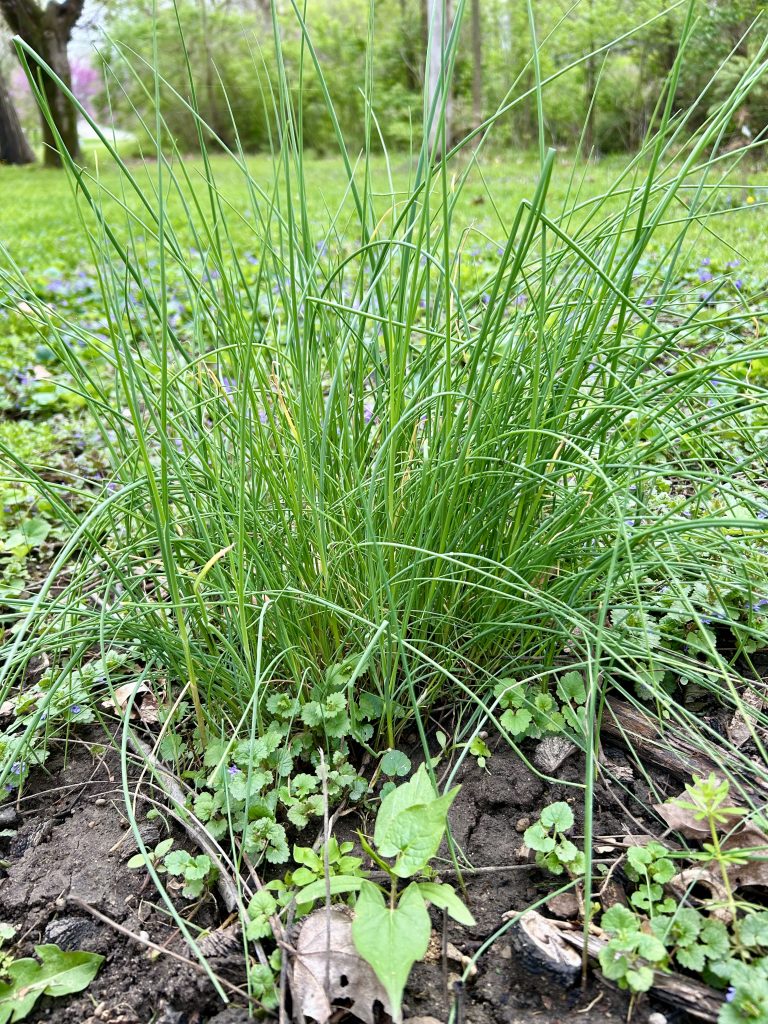
- Identification: Looks like a smaller, wild version of a green onion, with hollow leaves and clusters of white or pinkish flowers.
- Season: Spring to early summer.
- Edible Parts: Bulbs, leaves.
- Harvesting Tips: Dig carefully around the bulb. Be sure to distinguish from toxic lookalikes like death camas by checking for the onion smell.
- Uses: Use similarly to green onions or garlic—raw or cooked, in soups, salads, or sautéed.
8. Plantain (Narrowleaf & Broadleaf) (Plantago lanceolata & Plantago major)
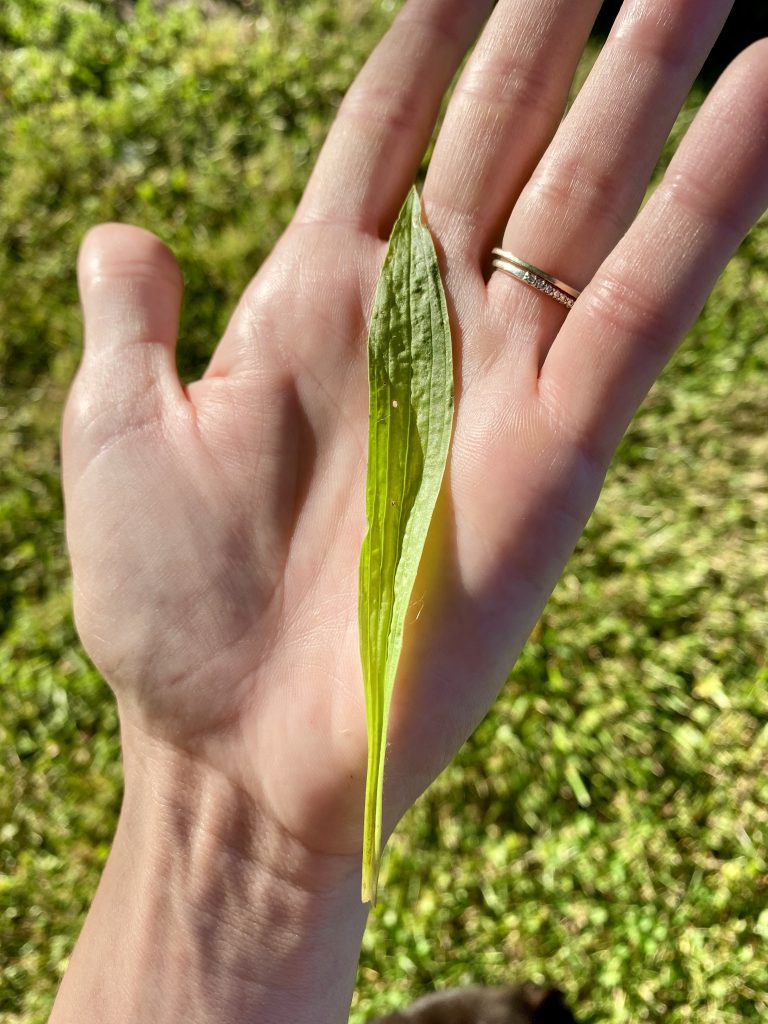
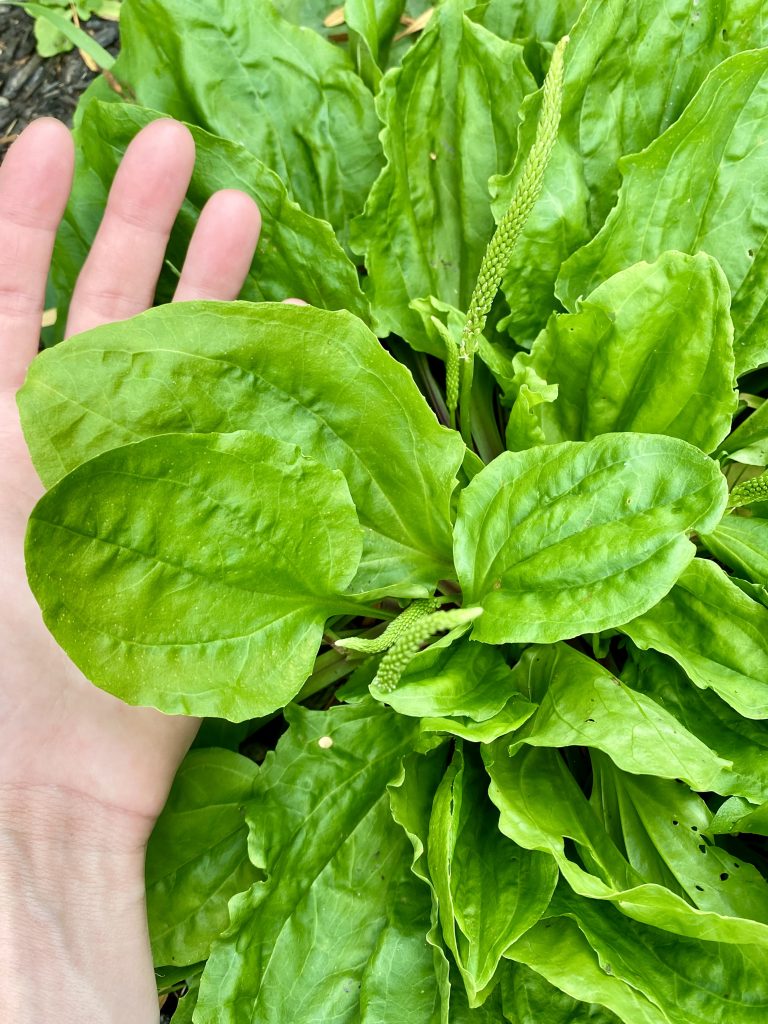
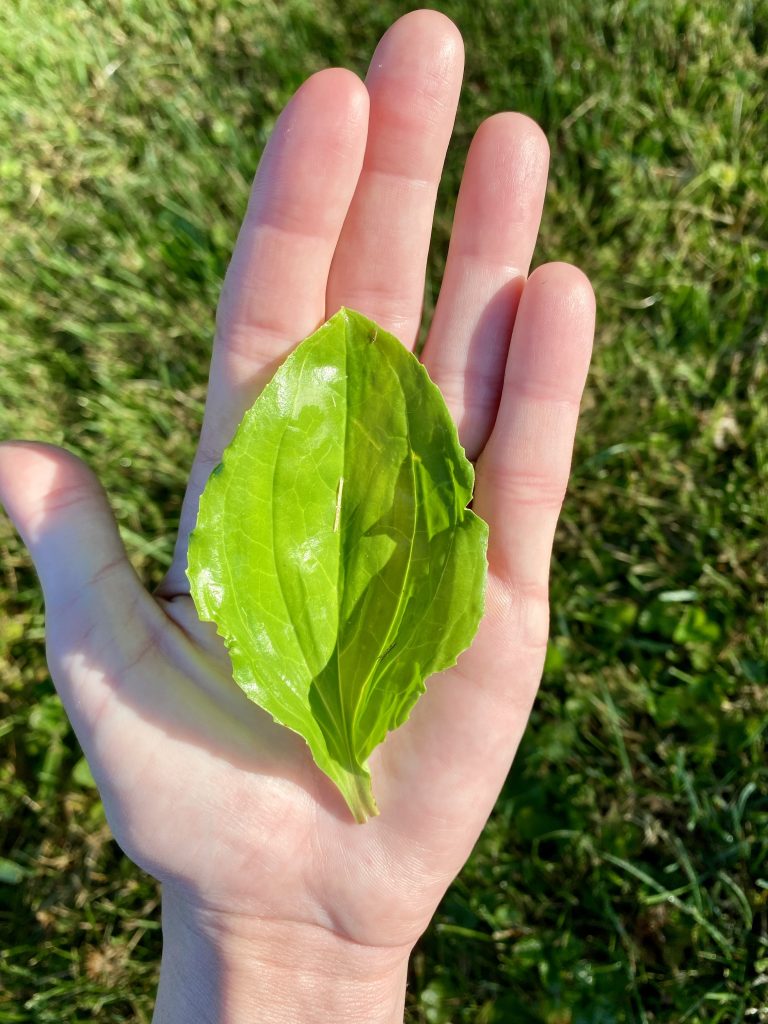
- Identification: Broadleaf plantain has wide, oval leaves, while narrowleaf has long, lance-shaped leaves. Both have a distinct rosette formation.
- Season: Spring to fall.
- Edible Parts: Leaves, seeds.
- Harvesting Tips: Harvest younger, tender leaves. Older leaves can become tough.
- Uses: Leaves are great in salads, soups, or as tea. Seeds can be ground into flour or added to smoothies.
9. Violets (Viola spp.)
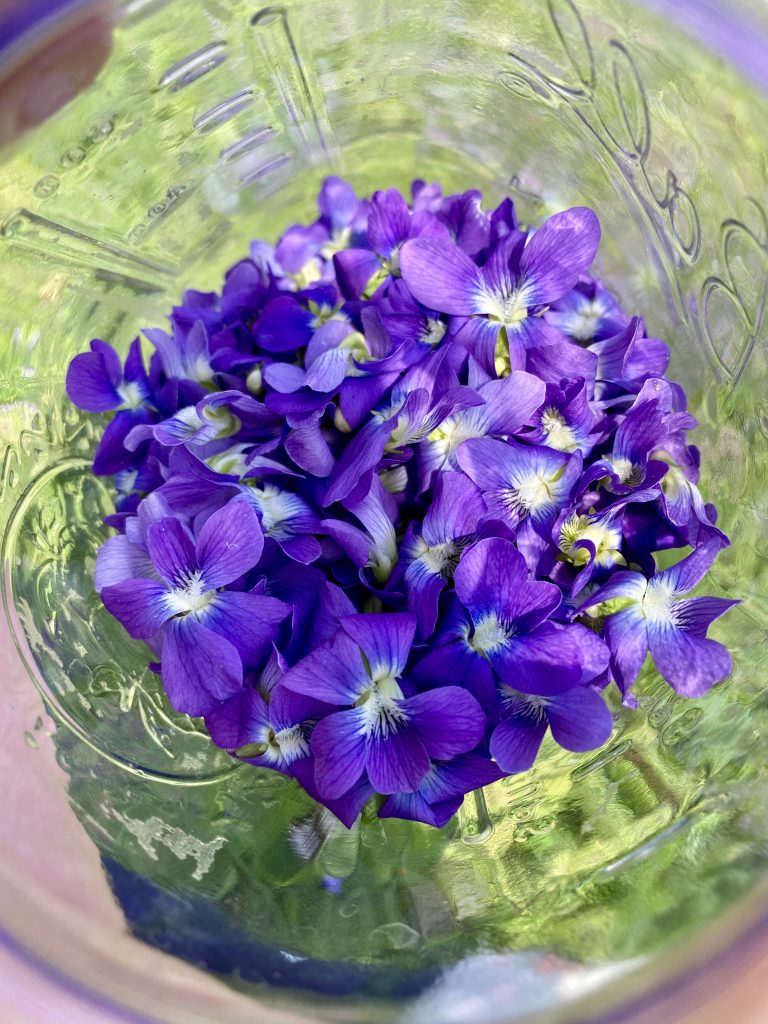
- Identification: Small purple, blue, or white flowers with heart-shaped leaves.
- Season: Spring.
- Edible Parts: Flowers, leaves.
- Harvesting Tips: Collect flowers and leaves, leaving some behind for the plant to regrow.
- Uses: Flowers can be candied or used in salads, while the leaves are high in vitamins A and C and can be eaten raw or cooked.
10. Morel Mushrooms (Morchella spp.)
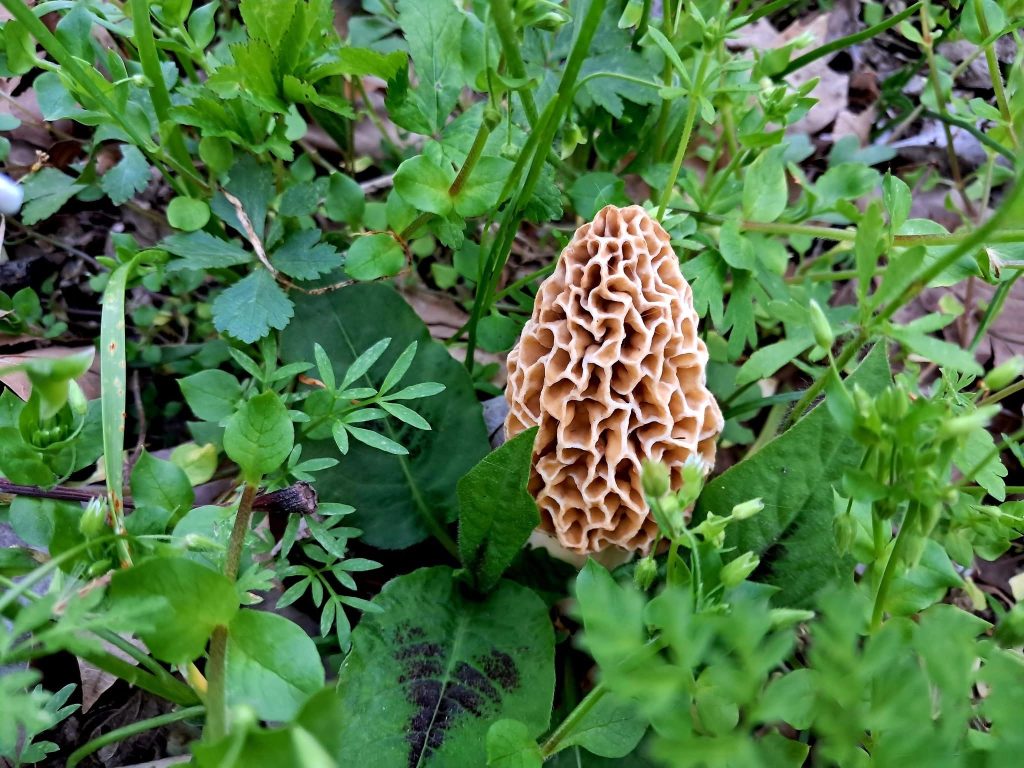
- Identification: Distinctive honeycomb or sponge-like appearance with a hollow stem.
- Season: Late spring.
- Edible Parts: Entire mushroom (except stem base).
- Harvesting Tips: Be sure to positively identify as morels can be confused with false morels, which are toxic. Pick mature mushrooms, leaving smaller ones to grow.
- Uses: Morels have a rich, earthy flavor. Sauté them in butter or add to soups, stews, or risotto.
11. Henbit (Lamium amplexicaule)
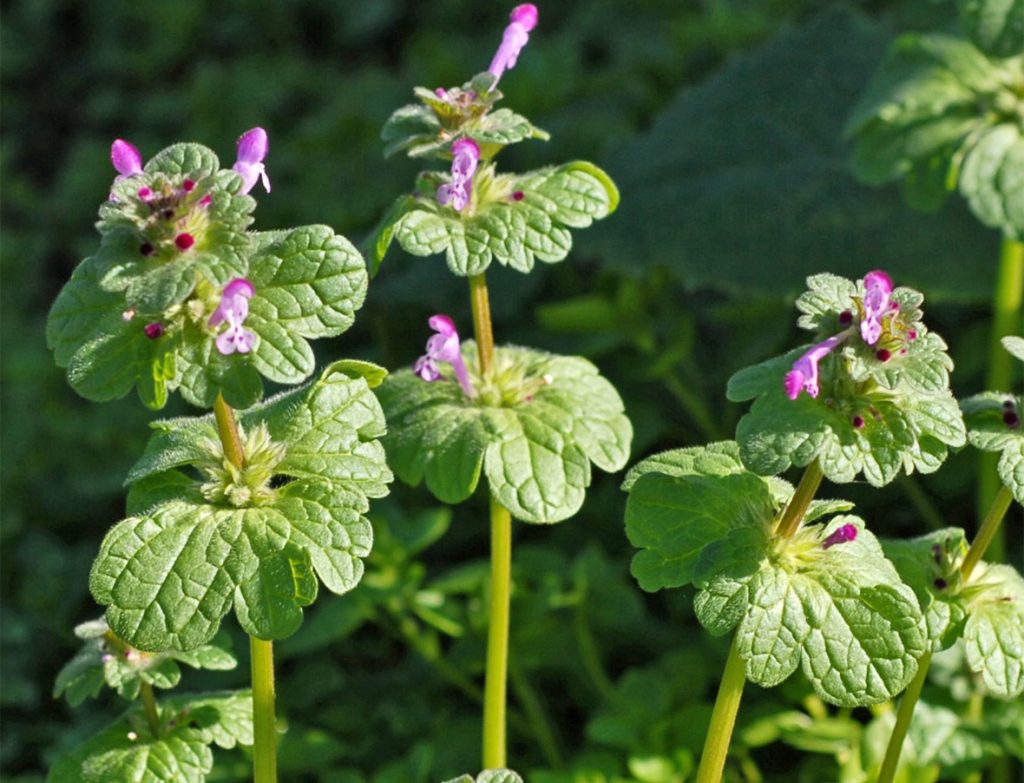
- Identification: Square stems with rounded, scalloped leaves. The purple-pink flowers are tubular and grow in clusters.
- Season: Early spring.
- Edible Parts: Leaves, stems, flowers.
- Harvesting Tips: Harvest tender young shoots before flowering.
- Uses: Mild and slightly sweet, henbit is great in salads or as a garnish.
12. Wild Yarrow (Achillea millefolium)
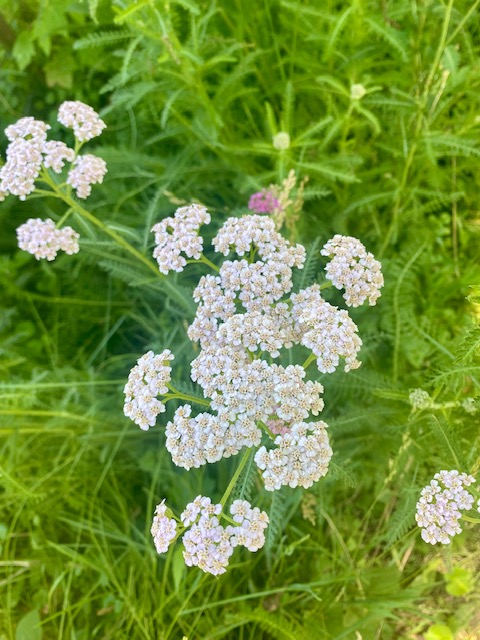
- Identification: Fern-like, feathery leaves with clusters of small white flowers.
- Season: Spring to early fall.
- Edible Parts: Leaves, flowers.
- Harvesting Tips: Harvest the younger leaves and flowers when the plant is in bloom.
- Uses: Yarrow is used medicinally in teas for colds, and the leaves can be chewed for relief from toothaches.
General Spring Foraging Tips for Zone 6a:
- Sustainability: Always forage responsibly by taking only what you need and leaving enough for the plants to regenerate.
- Identification: Positively identify plants before harvesting, especially when foraging for wild mushrooms or plants that may have toxic lookalikes.
- Local Laws: Check local regulations as foraging is sometimes restricted in certain parks or nature reserves. Always obtain permission from landowners before trespassing on their property.
- Best Practices: Harvest in clean areas away from roads, polluted waters, or areas treated with pesticides.
This guide is a starting point for your spring foraging journey in the Midwest. Happy foraging!
