

Yarrow
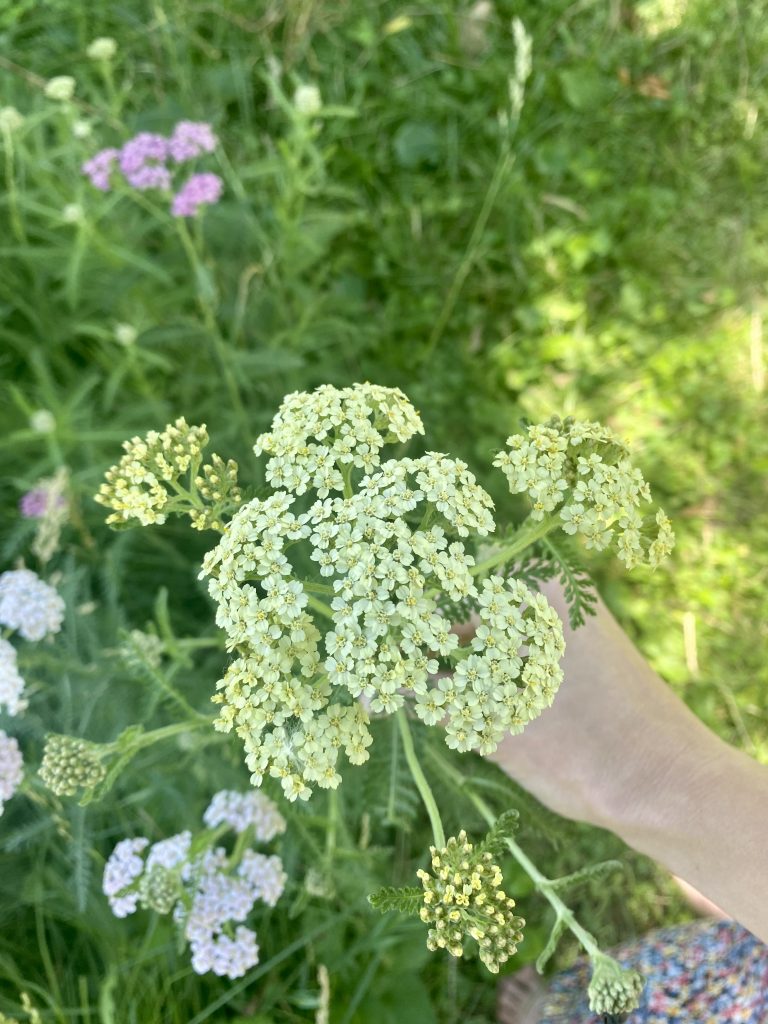
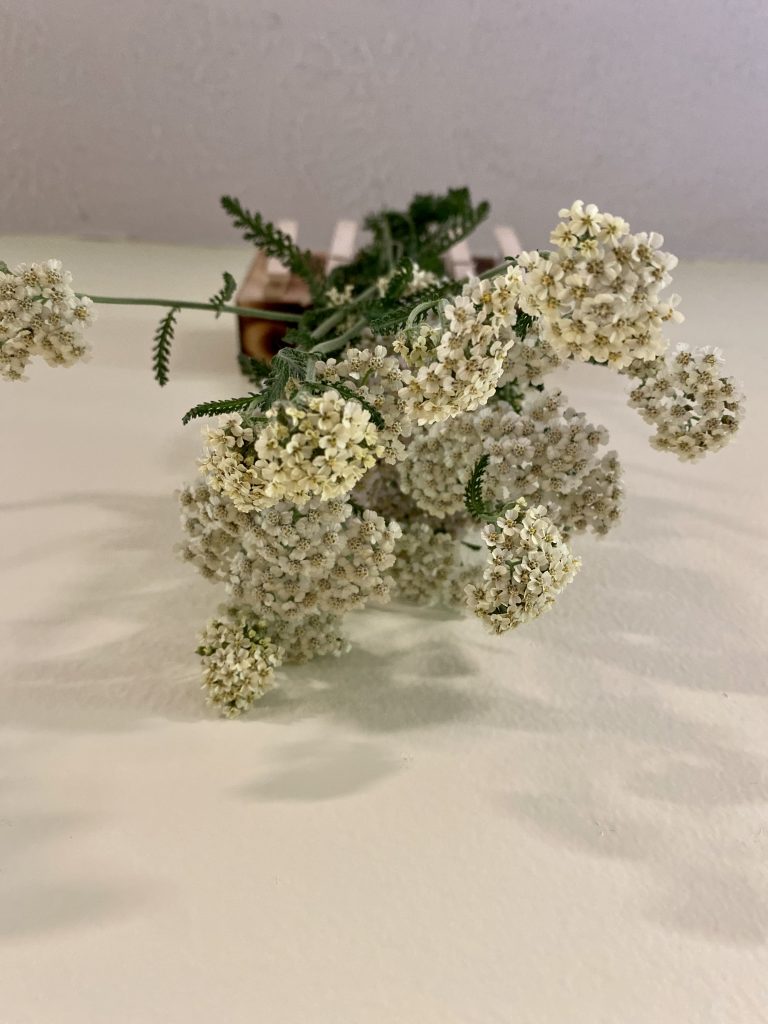
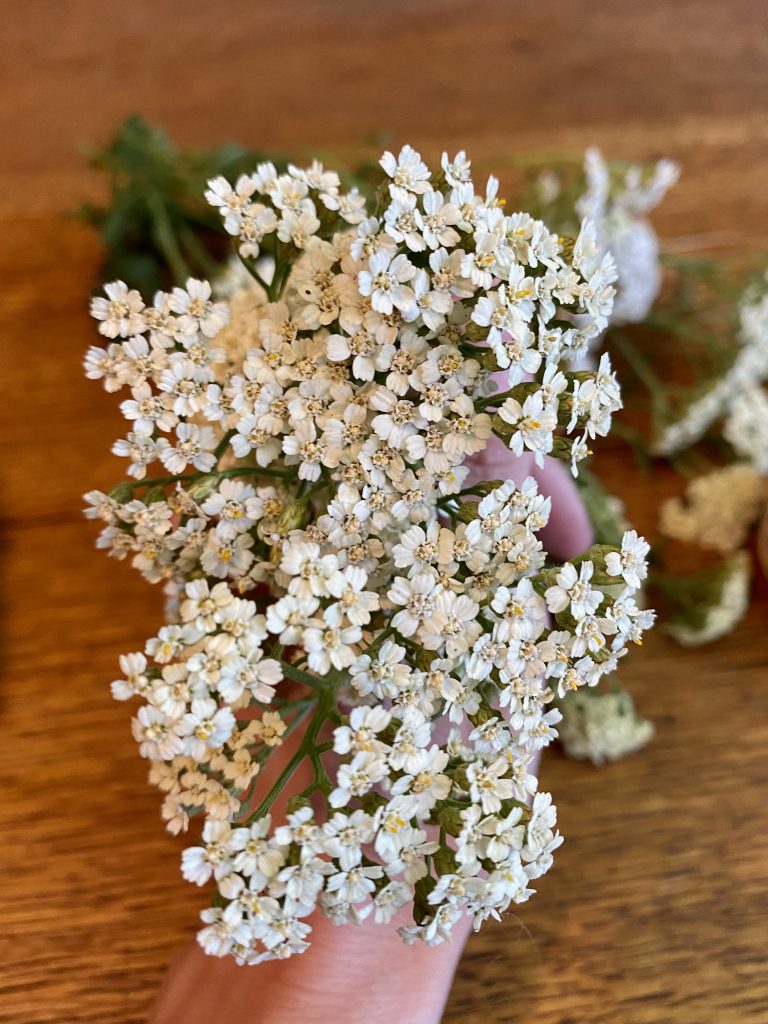
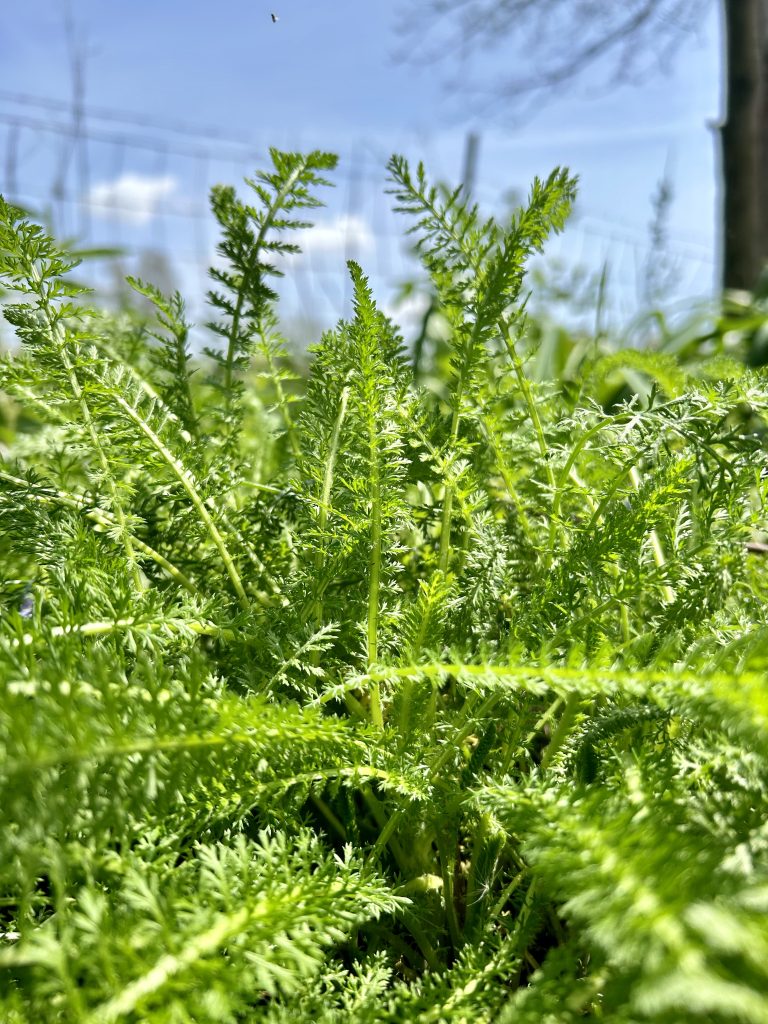
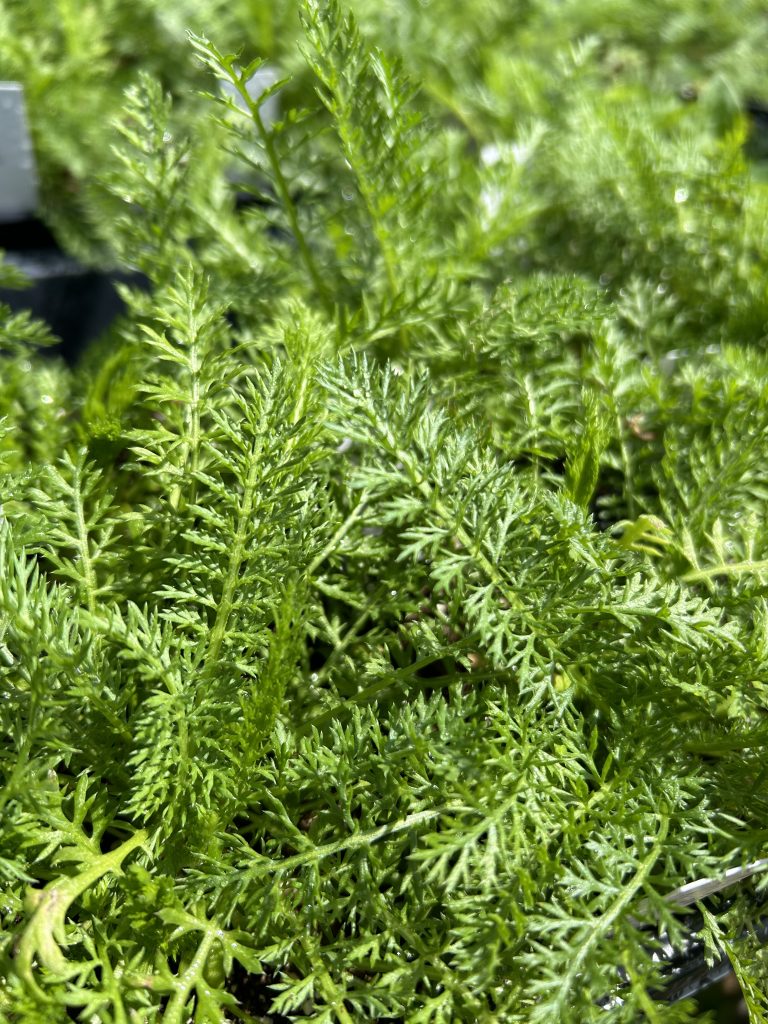
Achillea millefolium, commonly known as yarrow. Other aliases include nosebleed plant, soldier's woundwort, and thousand-seal, just to name a few. You can find yarrow in temperate climates around the world. This herb could even be in your backyard! Recognized by its delicate feathery leaves, with an erect stalk with multiple clusters of five-petal flowers. Wild yarrow is white in color; this variety holds the most medicinal components. Yarrow is commercially bred to show colors of pink or yellow for ornamental landscaping flowers.
Yarrow is wild, resilient, and loyal, growing along roadsides, in pastures, and even in the cracks of neglected gardens. To the observant homesteader or budding herbalist, yarrow offers a wide array of gifts—from staunching blood to moving stagnation to harmonizing the menstrual cycle.

Herbal Energetics of Yarrow
Understanding yarrow through herbal energetics helps you match the herb to the right person or condition.
- Temperature: Cooling
- Moisture: Drying
- Taste: Bitter, aromatic, slightly pungent
- Affinity: Blood, digestion, reproductive system, skin
Energetic indications: Yarrow is best for hot, inflamed, and stagnant conditions. This wonderful herb moves the blood, clears heat, and encourages balance where there is excess.
Vital constituents:
flavonoids, alkaloids, triterpenes, phytosterols, tannins, asparagine, salicylic acid, isovaleric acid, and volatile oils.
Active constituents are the natural chemical compounds in plants that have a medicinal effect on the body.
Key actions:
antispasmodic, astringent, bitter tonic, increases sweating, lowers blood pressure, reduces fever, mild diuretic/urinary antiseptic, stops internal and external bleeding (styptic or homeostatic), promotes menstruation, and anti-inflammatory.
Using Yarrow to Support the Body:
Nervous & Immune System
- Fever relief (diaphoretic): Yarrow promotes gentle sweating to help the body break a fever, making it valuable during colds, flu, or viral infections.
- Antimicrobial: Yarrow has mild antibacterial and antiviral effects that help the immune system fight off infection.
Circulatory System
- Circulatory tonic: Yarrow improves blood flow, regulates blood stagnation, and tones the vascular system.
- Hemostatic (styptic): It stops bleeding by constricting blood vessels—internally (e.g., heavy menstruation) and externally (wounds, nosebleeds).
- Blood mover: It disperses stagnant blood, which can relieve pain and promote healing, especially in bruises, menstrual clots, or pelvic congestion.
Respiratory System
- Decongestant & anti-inflammatory: Yarrow helps dry excess mucus, reduce sinus inflammation, and clear respiratory heat or infection.
- Expectorant: It gently helps loosen phlegm when taken as a warm tea.
Digestive System
- Bitter tonic: Stimulates bile production and gastric juices, improving digestion—especially helpful before meals or in sluggish digestion.
- Carminative: Reduces bloating, gas, and cramping.
- Anti-inflammatory: Soothes the gut lining, particularly in cases of gastritis or mild IBS.
Reproductive System
- Menstrual support: Regulates irregular cycles, reduces heavy bleeding, and relieves cramps by moving stagnant blood.
- Uterine tonic: Helps tone and strengthen the uterus, often used postpartum or after miscarriage (under guidance).
- Emmenagogue: Encourages delayed or sluggish menstruation.
Skin & First Aid
- Wound healing (vulnerary): Yarrow promotes tissue regeneration and disinfects wounds. A fresh poultice can stop bleeding and speed healing.
- Astringent: Tightens and tones tissues—useful for weepy rashes, hemorrhoids, or acne.
Urinary System
- Anti-inflammatory: Soothes inflammation in the bladder or kidneys.
- Diuretic: Gently promotes urination and helps flush out excess fluids or minor UTIs.
External use:
I carry dried crushed leaves with me, especially while working in the kitchen or outside with tools, and the garden. Just yesterday, my two-year-old daughter toppled over and scraped her knee on a rock. I quickly chewed the yarrow leaves to create a thick poultice and applied it to stop her knee gash from bleeding. It pays to have a premade yarrow-infused oil or tincture for emergencies. Take a few drops of either, apply it to a cloth, and compress it against the wound.
I pour a concentrate of yarrow infusion into my children's bath when either of them have a fever and when over the counter medication is not an option. The yarrow infusion helped immensely to reduce his fever and discomfort quickly.
Internal use:
To make a herbal tea infusion, boil water and add 1 teaspoon of dried flower blossoms and leaves to 1 cup of boiled water. Cover your mug with a saucer or plate, thus containing the volatile oils, to ensure they won't be released into the air. Let the infusion steep for 5-10 minutes. One can drink a dose of tea up to 3 times daily. To make diverse medicinal infusions, mix yarrow with other herbs. In addition, you may also add a sweetener of choice to the herbal tea, but do not give honey to a child under 1 year of age due to botulism.

Growing Yarrow
It thrives in full sun and well-drained soil, and once established, it’s drought-tolerant and incredibly low-maintenance. You can grow yarrow from seed, divisions, or transplants. Simply scatter seeds over the soil surface in early spring (don’t cover deeply — yarrow needs light to germinate), and keep the area moist until seedlings emerge.
This hardy perennial spreads readily, so give it space or keep it in check by dividing clumps every couple of years. Yarrow’s feathery leaves are beautiful even before the flowers bloom, and its white (or pink/yellow) umbels will attract pollinators all summer long.
Grow it once — and you’ll have a lifelong ally right at your fingertips.
Harvesting and preserving:
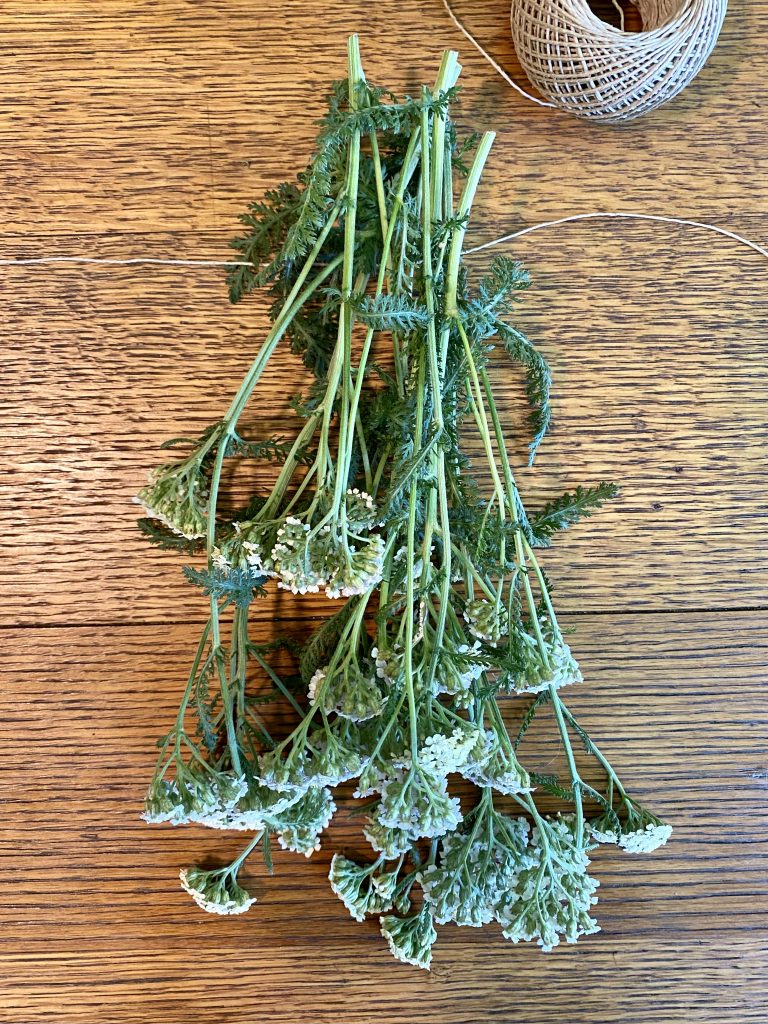
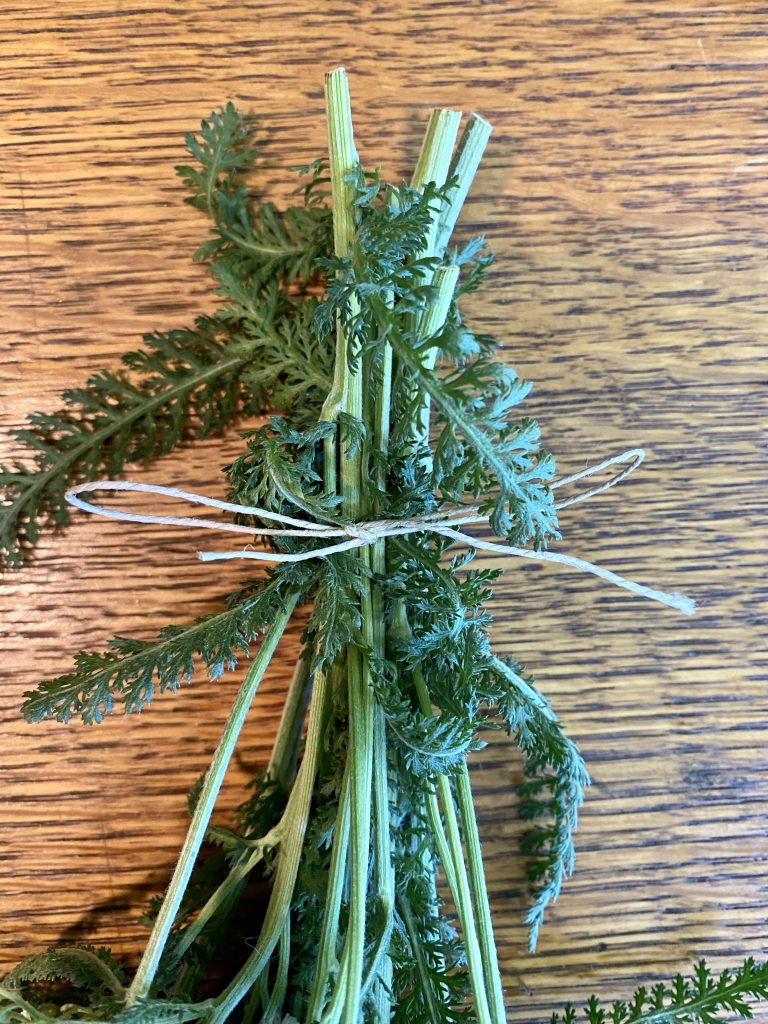
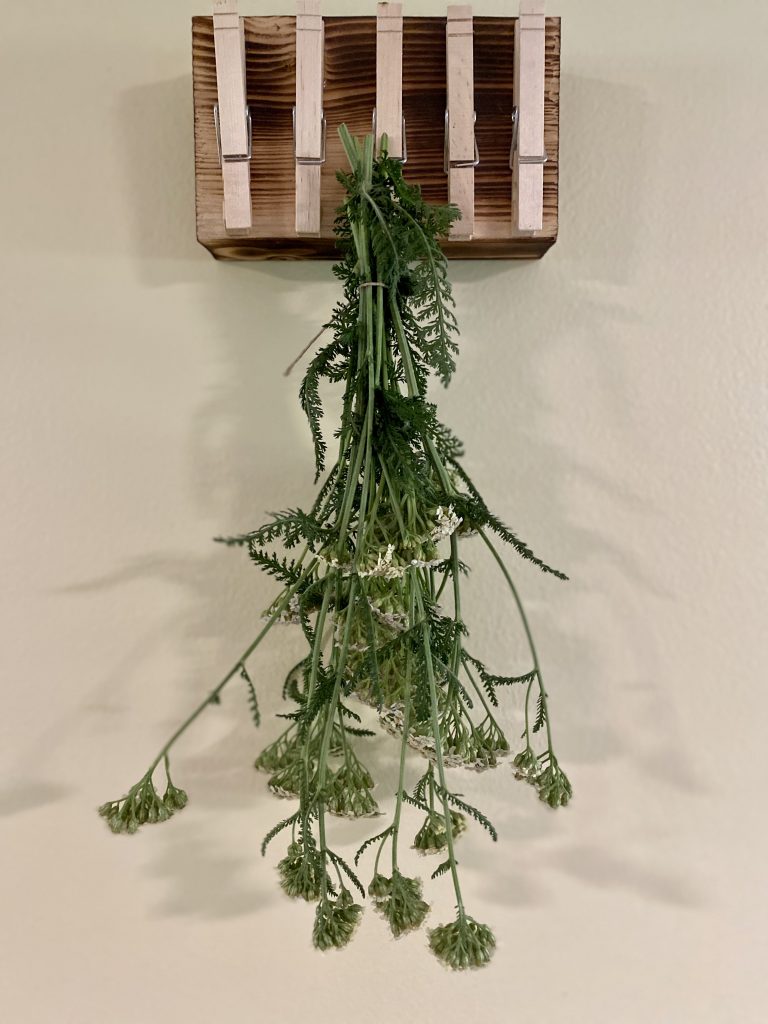
It is best to harvest early in life while the flowering buds are just opening. After the morning dew has dried, cut long-stem flower bouquets and handfuls of the feathery leaves early in the morning. The easiest way to dry yarrow is by hanging it in a cool, dry place for a few weeks. Place the yarrow in a paper bag to help keep the dust particles and bugs from getting to it. Additionally, be sure to keep an eye on your yarrow because you will want to transfer it to an airtight container as soon as it is dry. Then, store it in a dark cabinet or closet free of moisture.
I highly recommend growing your own beautiful yarrow!
In closing, a caution note in the use of yarrow: this herb is not for those who are pregnant or breastfeeding. Some people could have an allergic reaction to yarrow. Therefore, consult your physician before the use of any herbal plant remedies. Herbal plants are unregulated by the FDA. Lastly, use extreme caution when using plants as medicinal remedies.
The information provided by Wild Woods Homestead ("we", "us", "our") on this website (the "Website") is for entertainment purposes only. All content including graphics, images, and information is presented as an educational resource only and is not intended as a substitute for professional medical advice. diagnosis, or treatment.
Please consult with qualified healthcare provider before making any decisions or taking any action based on the information you find on this Website. Do not disregard, avoid, or delay obtaining medical or health-related advice from our healthcare provider because of something you have read on this Website.
This Website does not recommend or endorse any specific tests, physicians, products, procedures, opinions, or other information that may be mentioned on this Website. Reliance on any information provided on the Website, its content creators, or others appearing on the Website is solely at your own risk.
