
How to Freeze Garden Produce
Disclosure: This post may contain affiliate links. Learn more here.
If you are in a busy season of motherhood and trying to keep up with a steady harvest, learning how to freeze garden produce may be the most practical preservation skill you develop. Instead of feeling pressured to can everything immediately or risk waste, freezing allows you to pause the harvest and process it later. For many families, especially those cooking from scratch, freezing garden produce creates flexibility without sacrificing stewardship.
This method is not glamorous. It is not the traditional image of rows of perfectly sealed jars lining pantry shelves. But for this season of life, it has been the most practical and sustainable way to steward what we grow.
Why Learning How to Freeze Garden Produce Matters
When the harvest outpaces your capacity, understanding how to freeze garden produce gives you breathing room. It turns overwhelm into a manageable system and allows you to preserve food without dedicating entire days to canning.
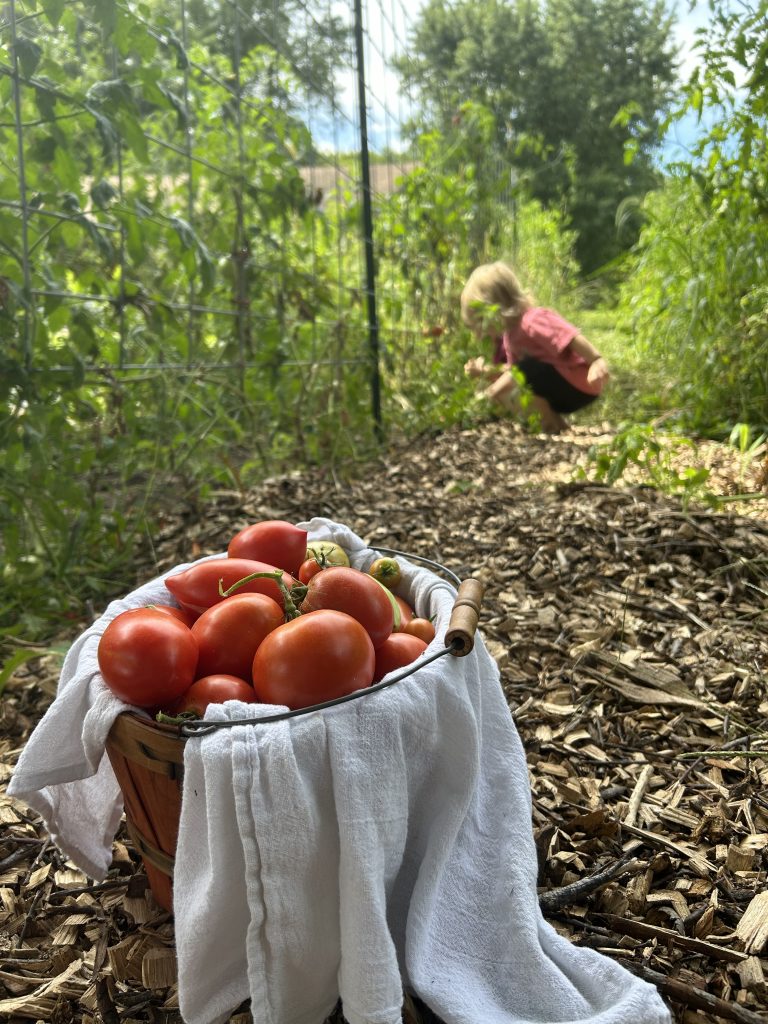
Back when I first started gardening with my first child, I underestimated how relentless harvest season can be. Between breastfeeding, nap schedules, meal preparation, and basic homemaking, I did not have large stretches of uninterrupted time. Yet the tomatoes continued ripening whether I was ready or not.
I had envisioned spending full afternoons canning paste tomatoes in abundance. Instead, I picked bowl after bowl and set them on the counter with good intentions. Some were used. Some were not. Watching food rot after working hard to grow it felt defeating.
The shift happened when I realized I did not need to process everything immediately. I simply needed a way to pause the harvest until I had time to deal with it properly. Freezing gave me that margin.
Why Freezing Garden Produce Is So Practical for Busy Mothers
There are many preservation methods, but freezing is by far the most forgiving. It does not require specialized equipment, precise timing, or an entire day blocked off on the calendar.
For most of what I grow, the process is simple: wash it, chop it if necessary, and put it straight into freezer bags. Unless absolutely necessary, I do not blanch. Traditional preservation guides often recommend blanching vegetables to preserve texture and color for long-term storage. If you are storing food for a year or longer, that step can be helpful. In our home, I know I will be processing everything in the winter, just a few short months after harvest, so the simpler method works well.
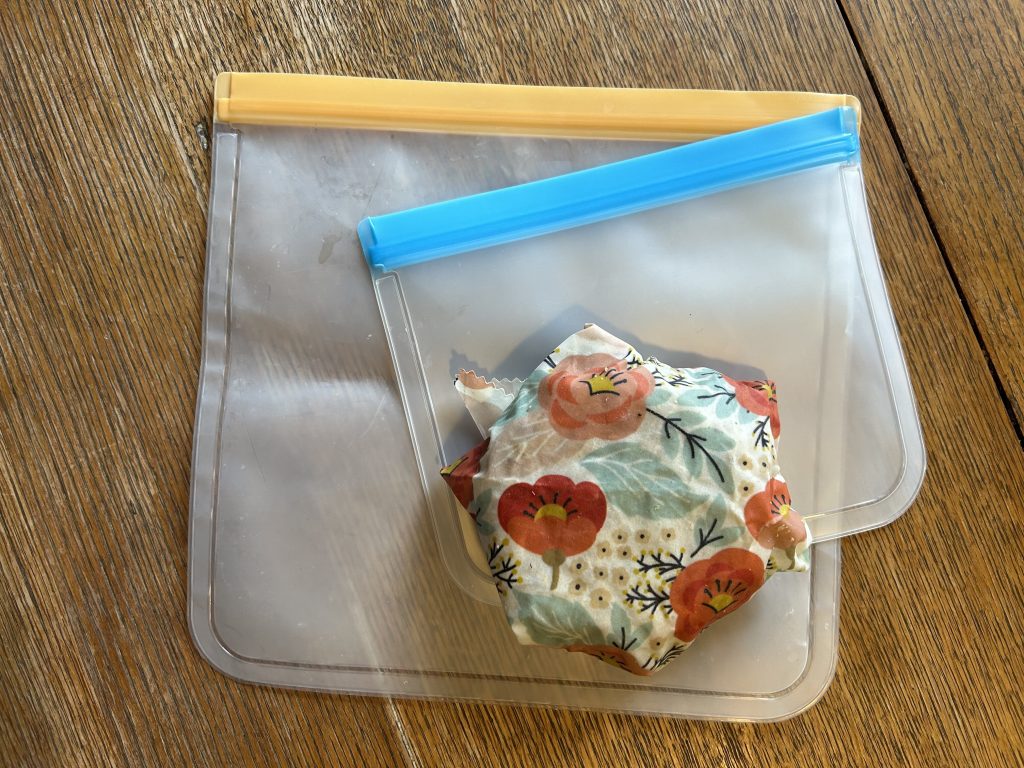
When I first began, I used standard freezer bags and labeled them clearly. I have since moved on to using reusable silicone bags. This means I am producing less single-use waste, along with micro plastics being discarded into our food. I also like how thick the bag walls are for freezer burn protection. A vacuum sealer can extend shelf life and reduce freezer burn, and it is a worthwhile investment if you plan to store large quantities long-term. For our current rhythm, freezer bags are sufficient because the food is rotated through within months.
Freezing does not preserve the fresh texture of produce, but it preserves its usefulness. That distinction is important.
Do You Need to Blanch Before Freezing Garden Produce?
One question that often comes up when learning how to freeze garden produce is whether blanching is necessary. Blanching is the process of briefly boiling vegetables and then cooling them quickly in ice water before freezing. This step slows down the natural enzymes in vegetables that cause loss of color, texture, and nutrients over time. In other words, blanching helps preserve quality during long-term freezer storage.
Vegetables like green beans, broccoli, carrots, corn, peas, and asparagus tend to benefit the most from blanching, especially if you plan to store them for eight months to a year. Blanching helps them maintain better texture and flavor when they are eventually cooked.
That said, blanching is not always essential. If you know you will be cooking the produce down into soups, sauces, casseroles, or baked goods within a few months, the difference is often minimal. In our home, because I plan to process tomatoes into sauce, apples into applesauce, and vegetables into broths or cooked dishes during the winter, I typically skip blanching. The texture change that freezing causes does not matter once the food is simmered, roasted, or baked.
Blanching is a helpful tool, not a rigid rule. If long-term storage and texture preservation are your goal, it is worth the extra step. If your goal is simply to pause the harvest and create margin in a busy season, washing, chopping, and freezing can work beautifully.
How to Freeze Garden Produce Step by Step
If you are new to this method, here is a practical breakdown of how to freeze garden produce in a way that fits into a busy household.
1. Harvest Consistently
Harvest when you can, even if it is just a few minutes between other responsibilities. Keeping up with picking prevents overwhelm later.
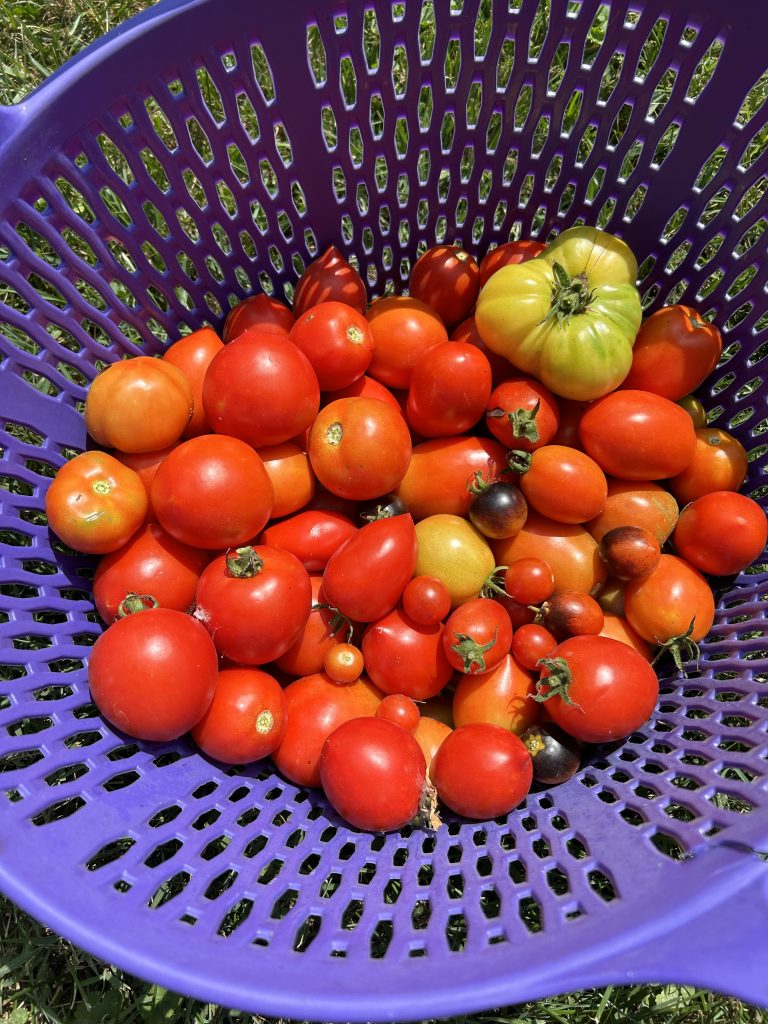
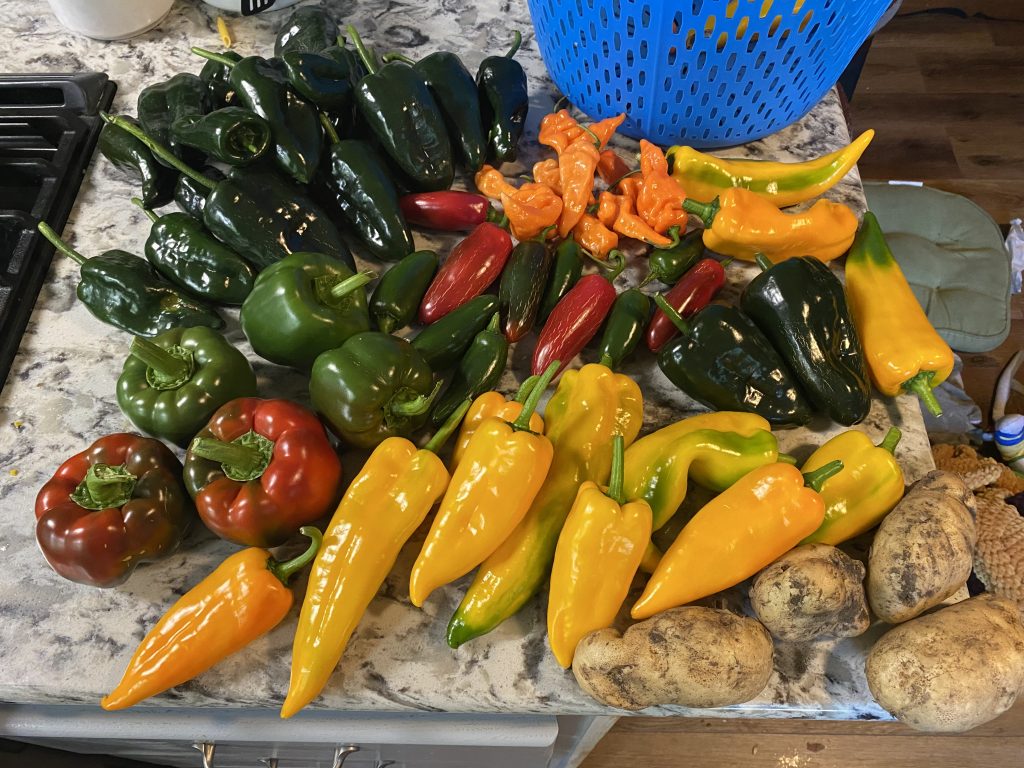
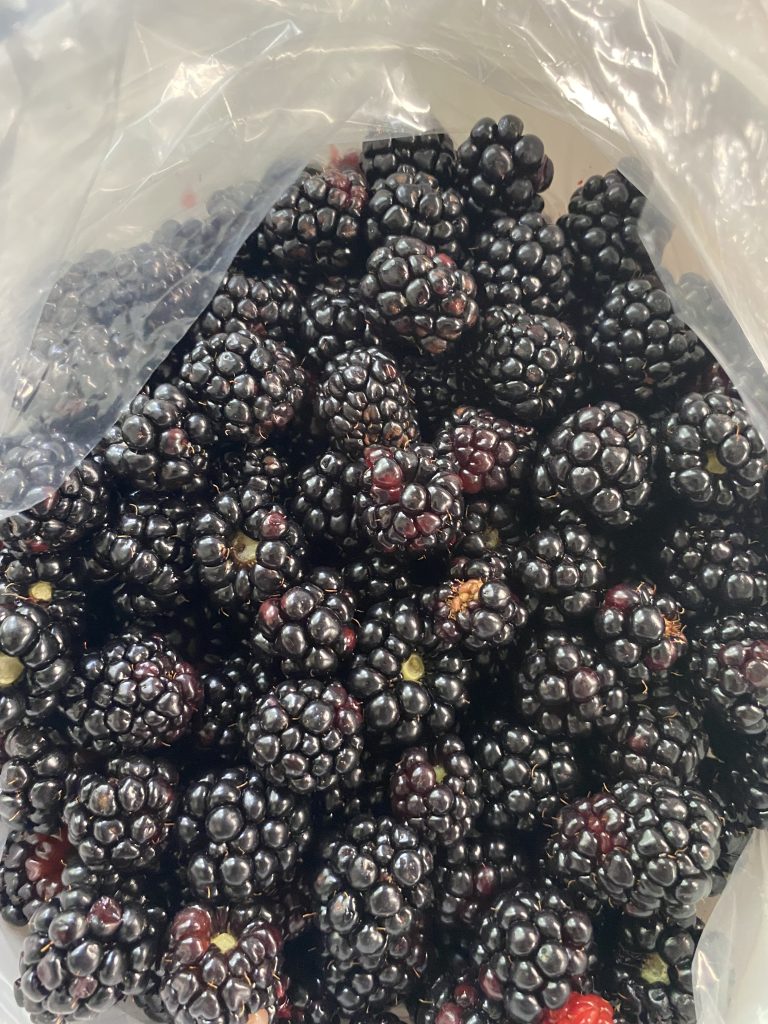
2. Wash and Prep Quickly
Rinse dirt away and remove stems or damaged portions. Chop larger vegetables into manageable pieces if needed. Think ahead to how you will use them later — diced peppers for soups, sliced zucchini for sautés, halved tomatoes for sauce.
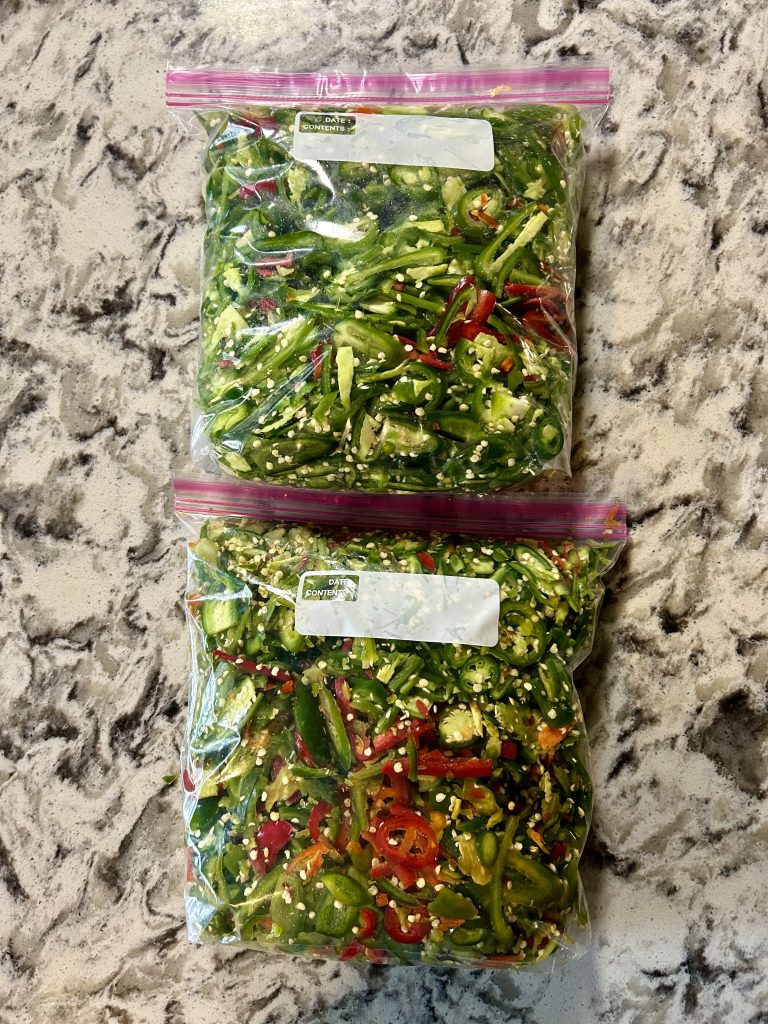
If I am slicing peppers, I run them through my Ninja Food Processor because it takes mere seconds to finish the job when you only have minutes to spare!
3. Bag and Label
Place the prepared produce into freezer bags, press out excess air, label with the contents and date, and lay flat in the freezer. Laying bags flat allows them to stack neatly and freeze more efficiently.
That is it. The goal is not perfection. The goal is preserving the harvest without adding stress.
Reusable silicone bags can be an upfront investment but repays itself year after year because we are not constantly buying gallon zip locks every week at the grocery store!
Freezing Tomatoes for Winter Processing
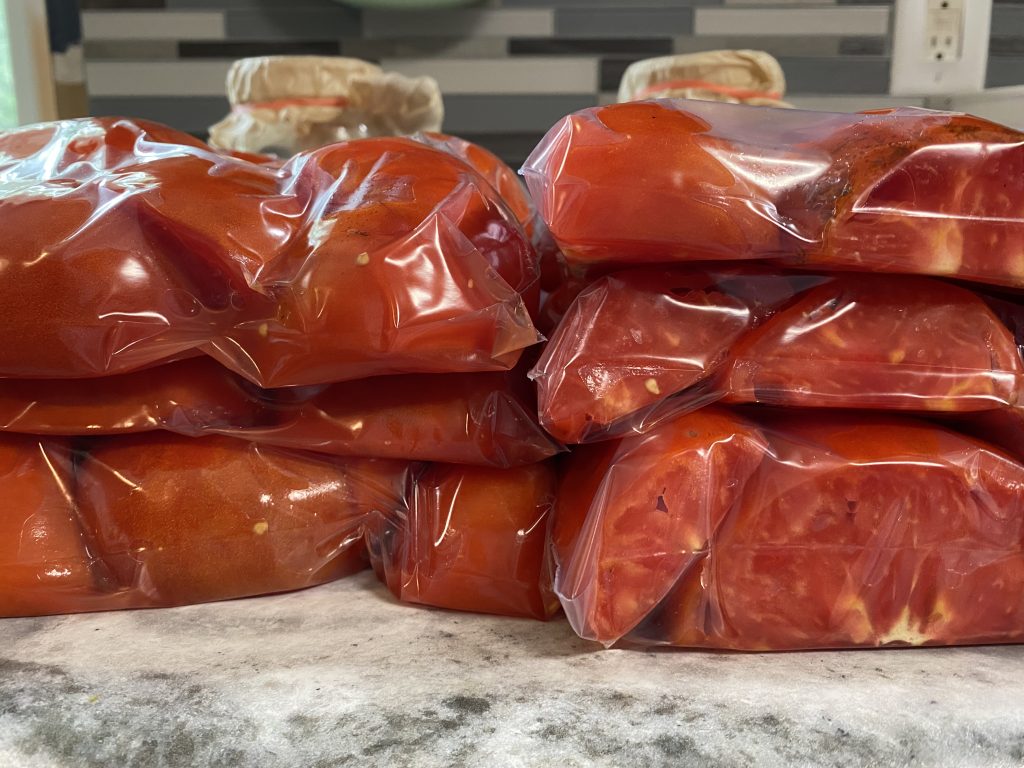
Tomatoes were the produce that convinced me freezing worked. While I initially disliked the idea of thawed, soft tomatoes, I quickly realized they are perfect for cooking.
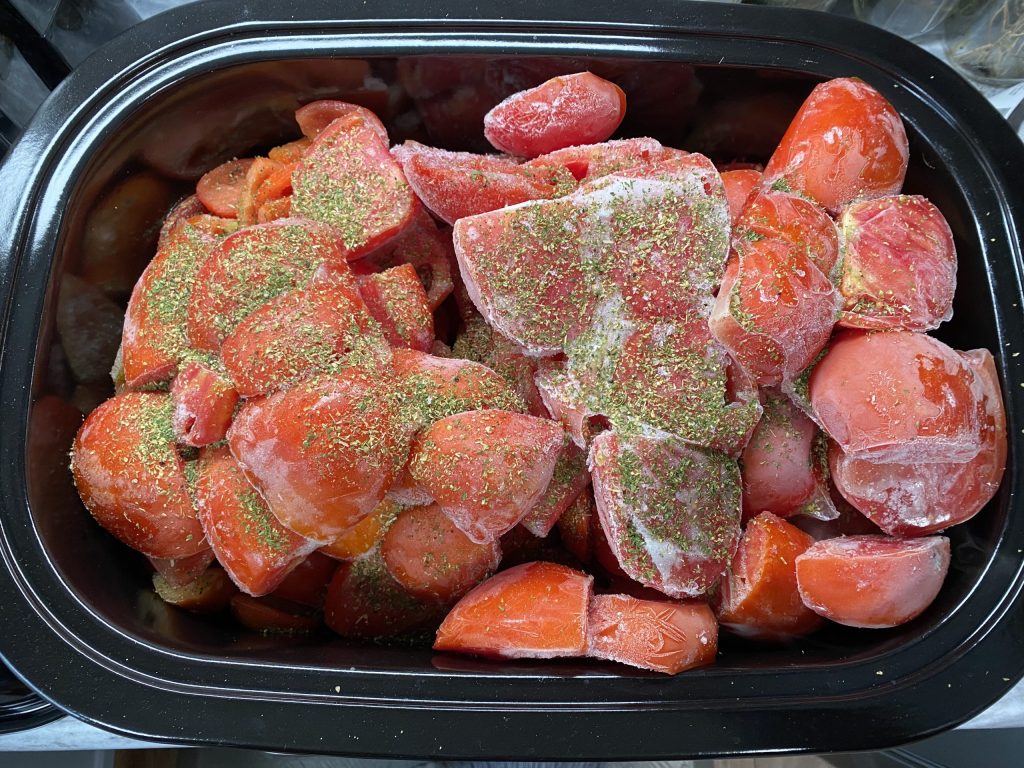
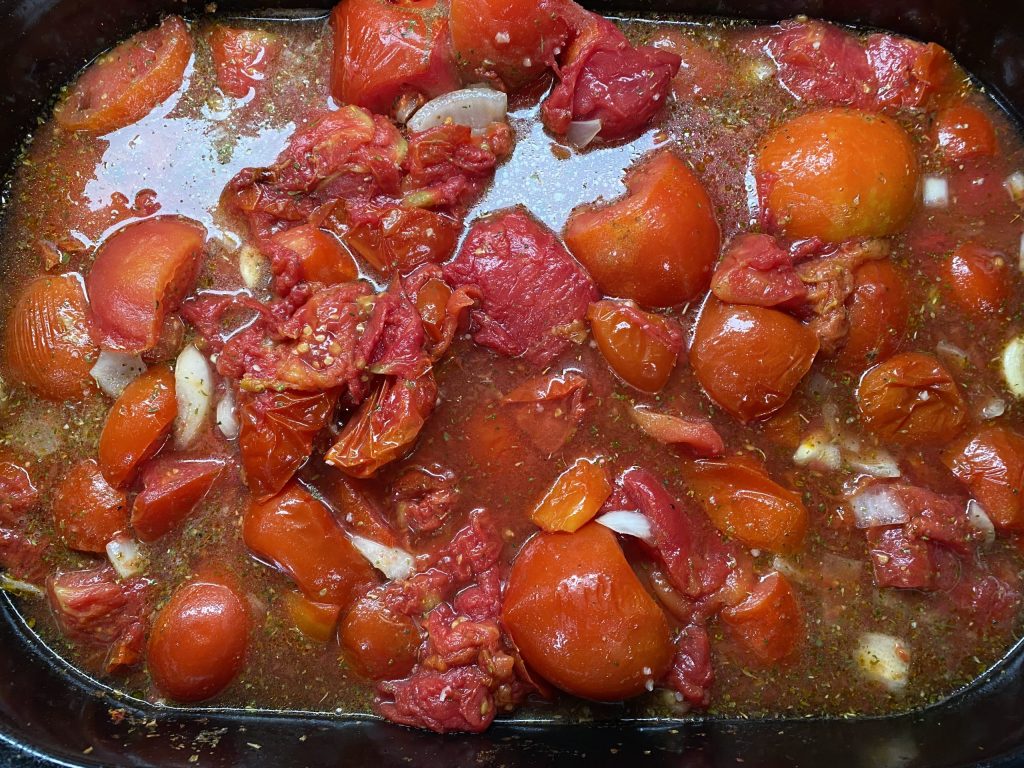
When tomatoes thaw, the skins slip off easily. This makes them ideal for pasta sauce, chili, soup, or salsa. Instead of scrambling to can everything during peak harvest, I can freeze tomatoes all summer and dedicate slower winter days to processing them into sauce.
Freezing turns an overwhelming summer task into a manageable winter project.
One of my favorite kitchen gadgets is an Electric Roasting Pan. I love this because I do not have to babysit an open flame propane stove while frozen foods cook down. This is huge while I am chasing around a 4yo, 2.5yo, and 1yo!
Can You Freeze Apples?
Yes, you can freeze apples, and I highly recommend it.
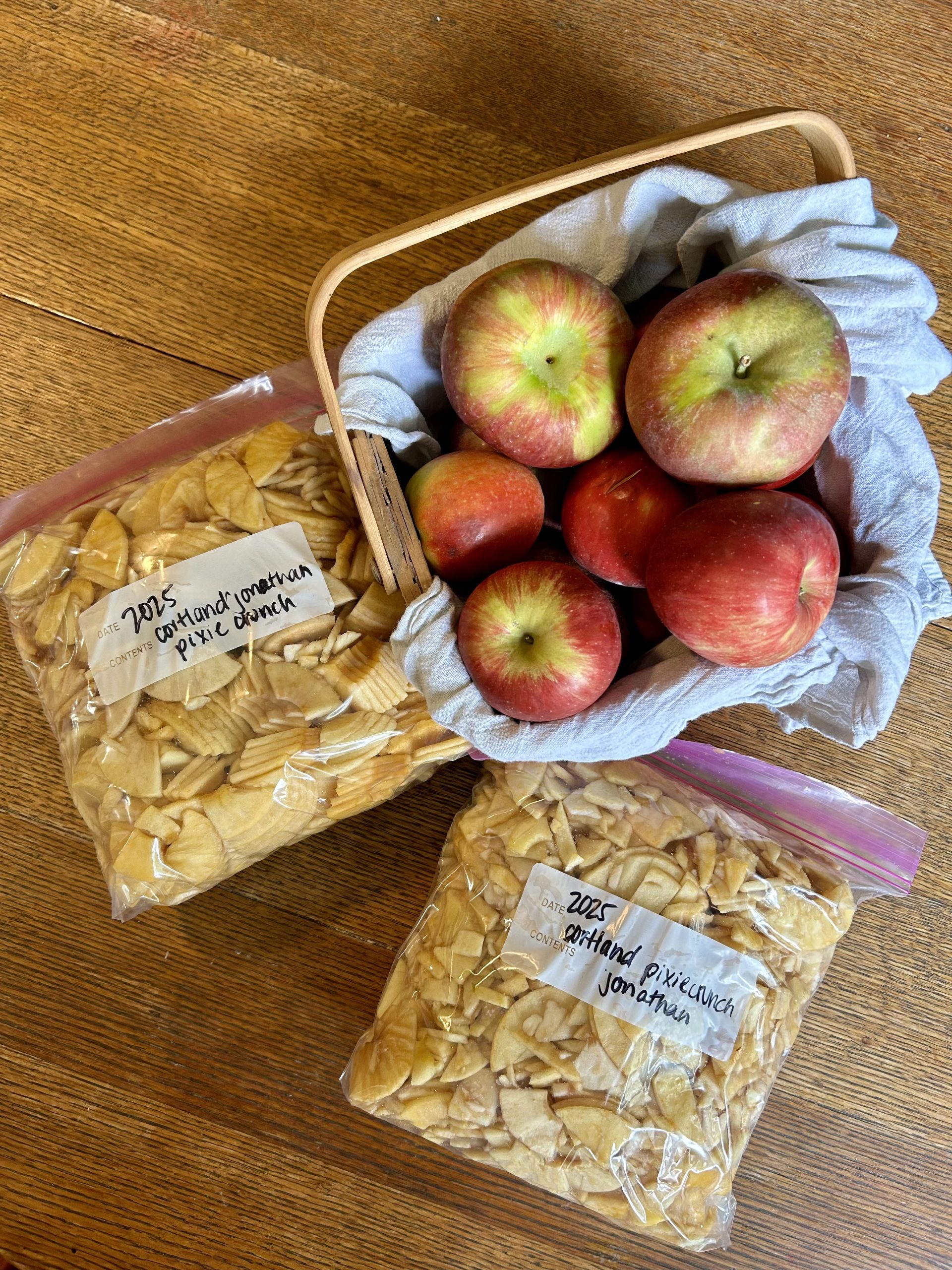
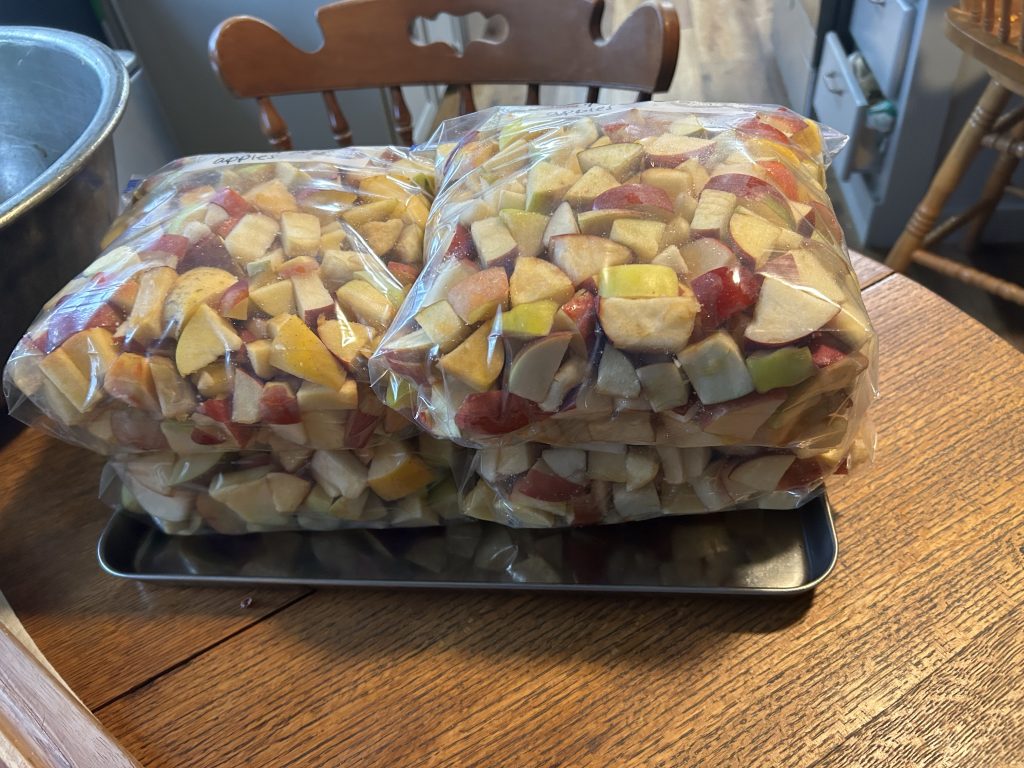
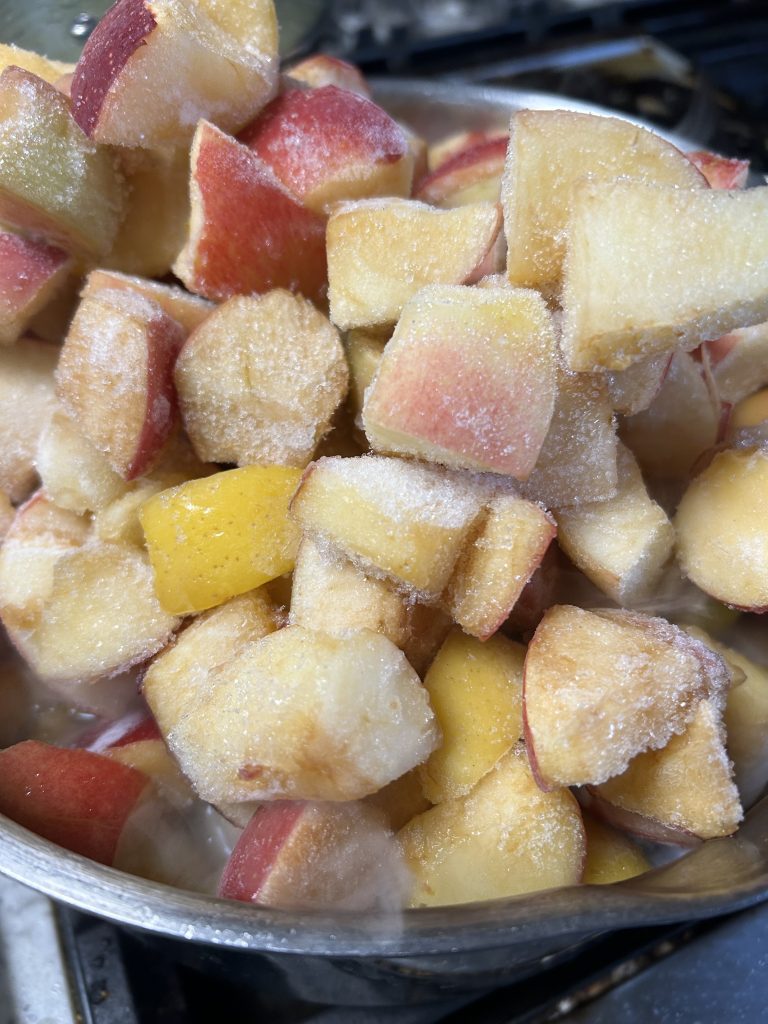
I freeze apples sliced (with or without the skin) raw, without lemon juice. If you prefer to preserve their color, you can toss them in lemon juice before freezing, but I typically skip that step because they are cooked down later. Frozen apples are perfect for applesauce, pie filling, crisps, or baking.
In the middle of winter, pulling out gallons of frozen apples and simmering them on the stove fills the house with warmth and the scent of cinnamon. It feels like bringing summer abundance into the coldest months of the year.
What I Regularly Freeze From the Garden
Over time, freezing became a central part of our kitchen system. In addition to tomatoes and apples, I regularly freeze:
- Peppers
- Herbs
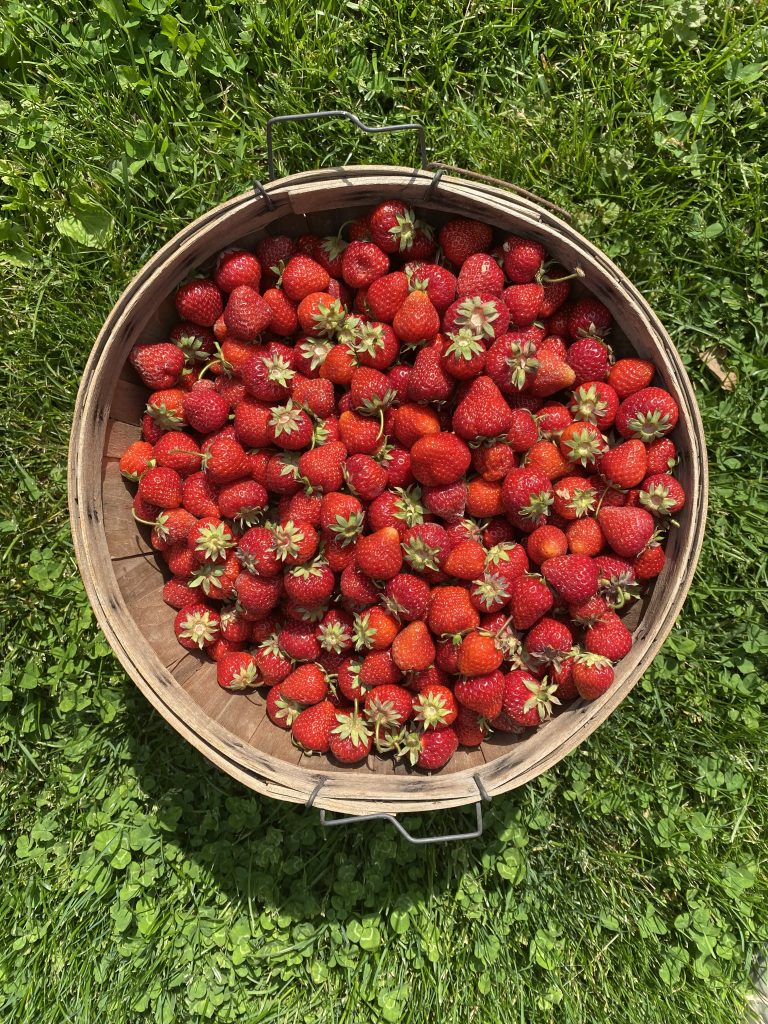
- Berries
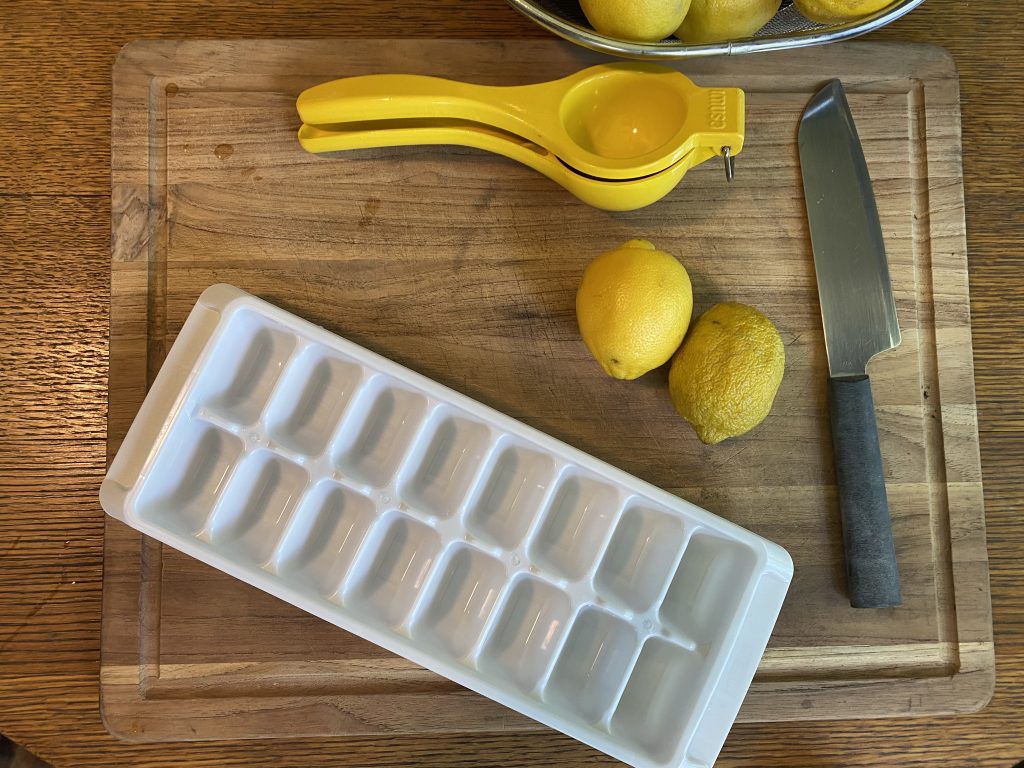
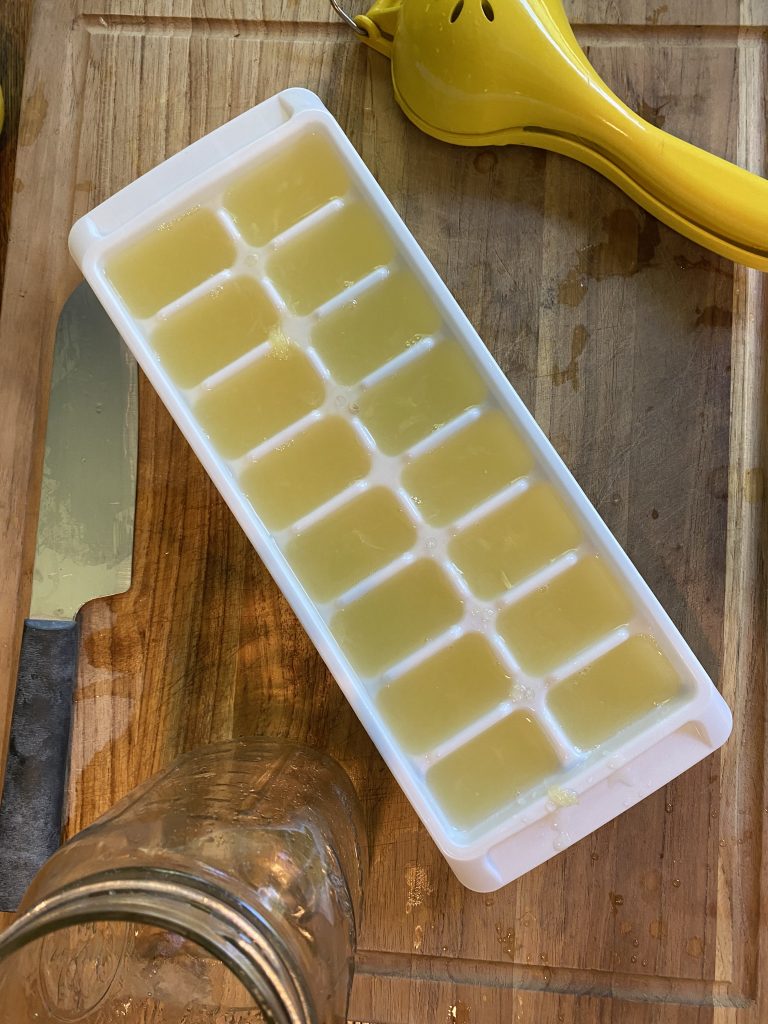
- Juice from over-ripe citrus
- Vegetable scraps for broth
- Fruit scraps for vinegar (apples and strawberries)
- Bones for broth
- Cheeseballs
- Beef fat to render into tallow
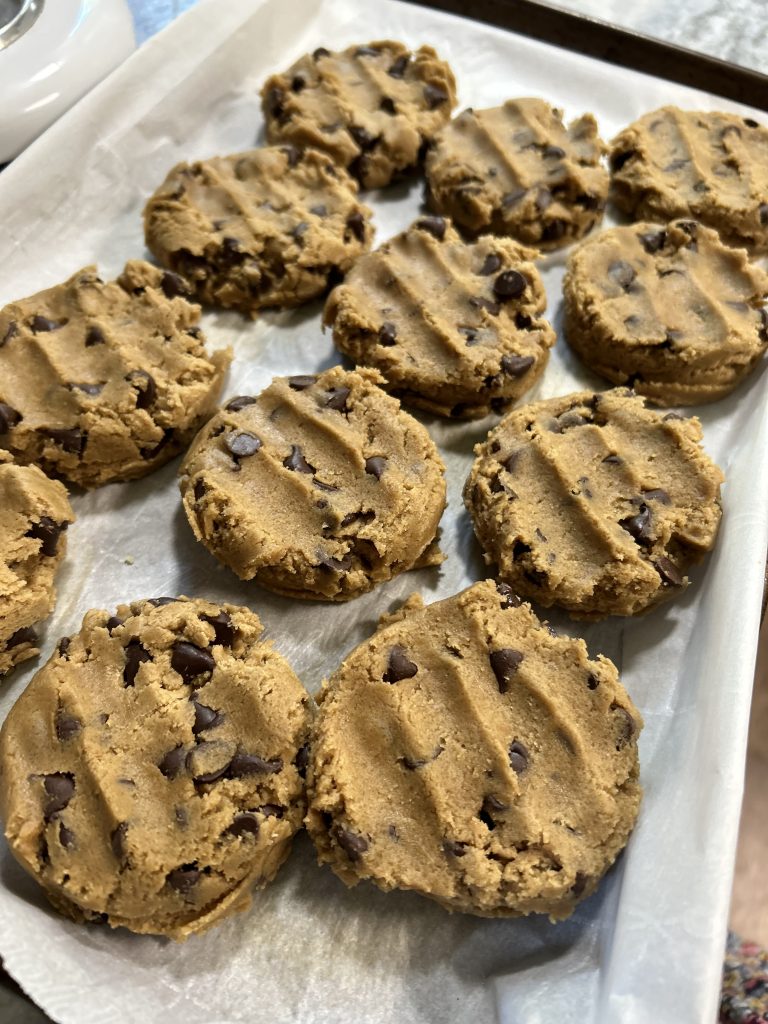
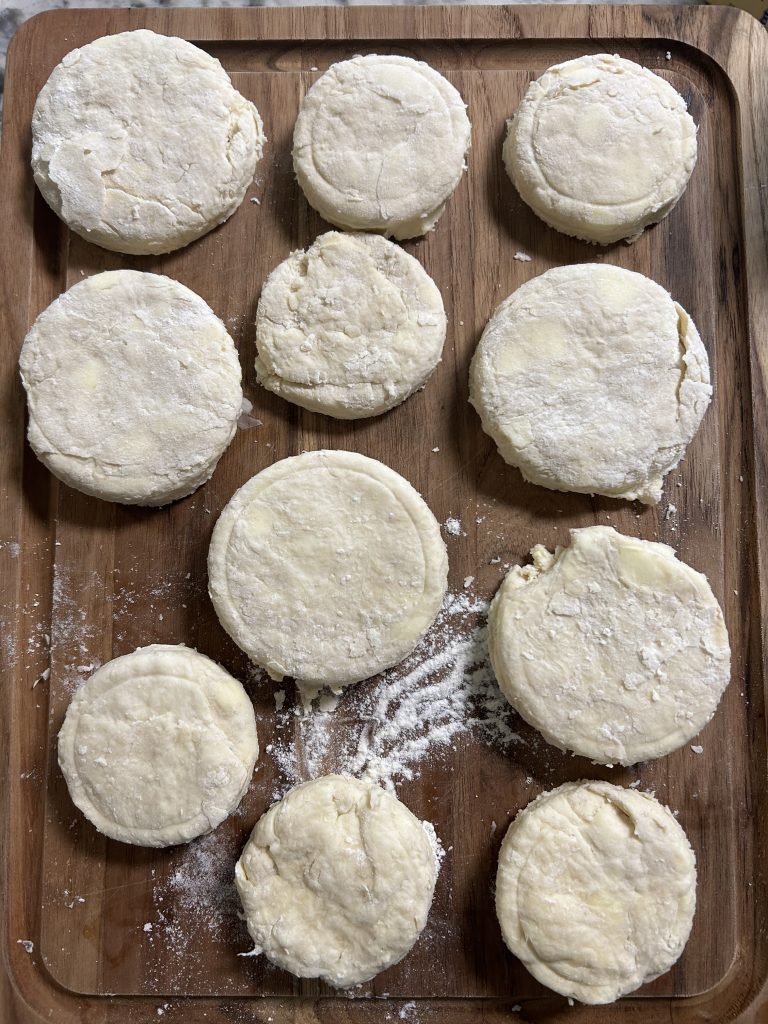
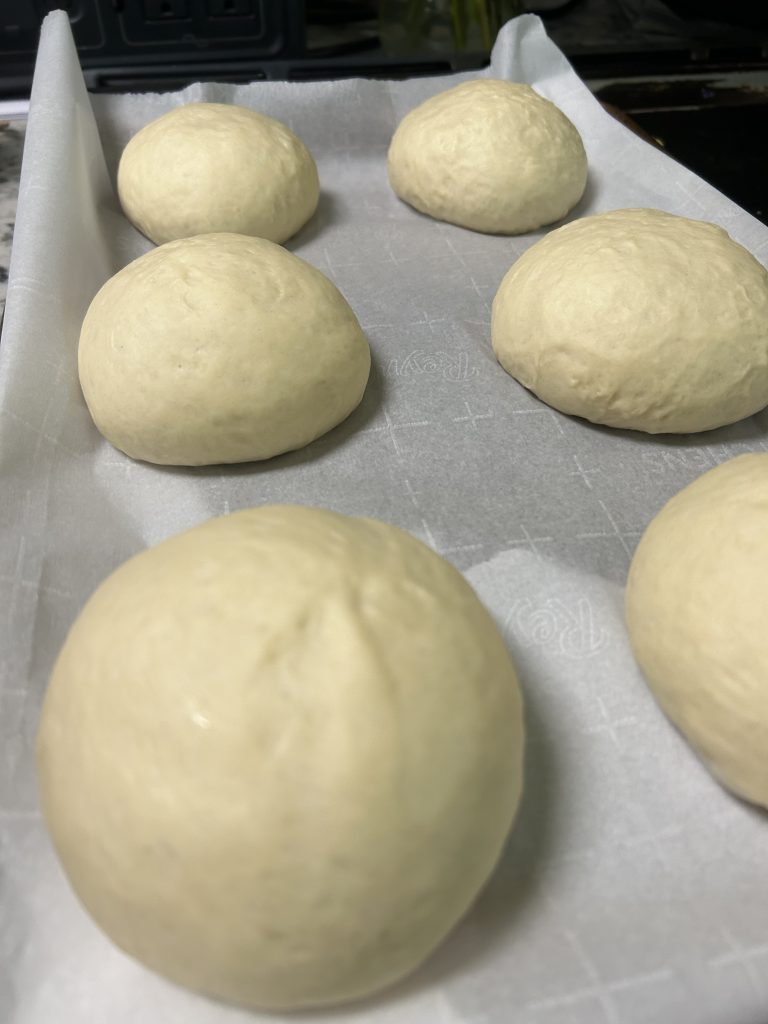
- Batch-prepped dough (cookie dough, biscuits, rolls, pizza dough, English muffins, pie crusts)
Eventually, we added a second chest freezer to support this system. For our family, the investment has been worth the efficiency and flexibility it provides.

Recommended Books on Freezing and Food Preservation
If you want more detailed guidance on proper freezing techniques, storage timelines, and food safety, it is helpful to keep a trusted preservation book in your kitchen.
One excellent resource is Freeze Fresh, which focuses specifically on freezing methods and shelf life recommendations. Another comprehensive reference is The Ball Complete Book of Home Preserving, which covers freezing alongside canning and other preservation techniques.
Having a reliable reference builds confidence, especially when you are just beginning to preserve your own food.
A Sustainable System for This Season of Motherhood
If you are standing in your kitchen feeling behind on harvest, freezing may be the simplest solution. You do not need to preserve everything perfectly the moment it ripens. You need a system that supports your current season of life.
Freezing garden produce allows you to steward what you grow without demanding hours you do not have. It creates margin during busy weeks, sickness, pregnancy, and the everyday demands of raising small children.
What do you plan on freezing this year?!
