
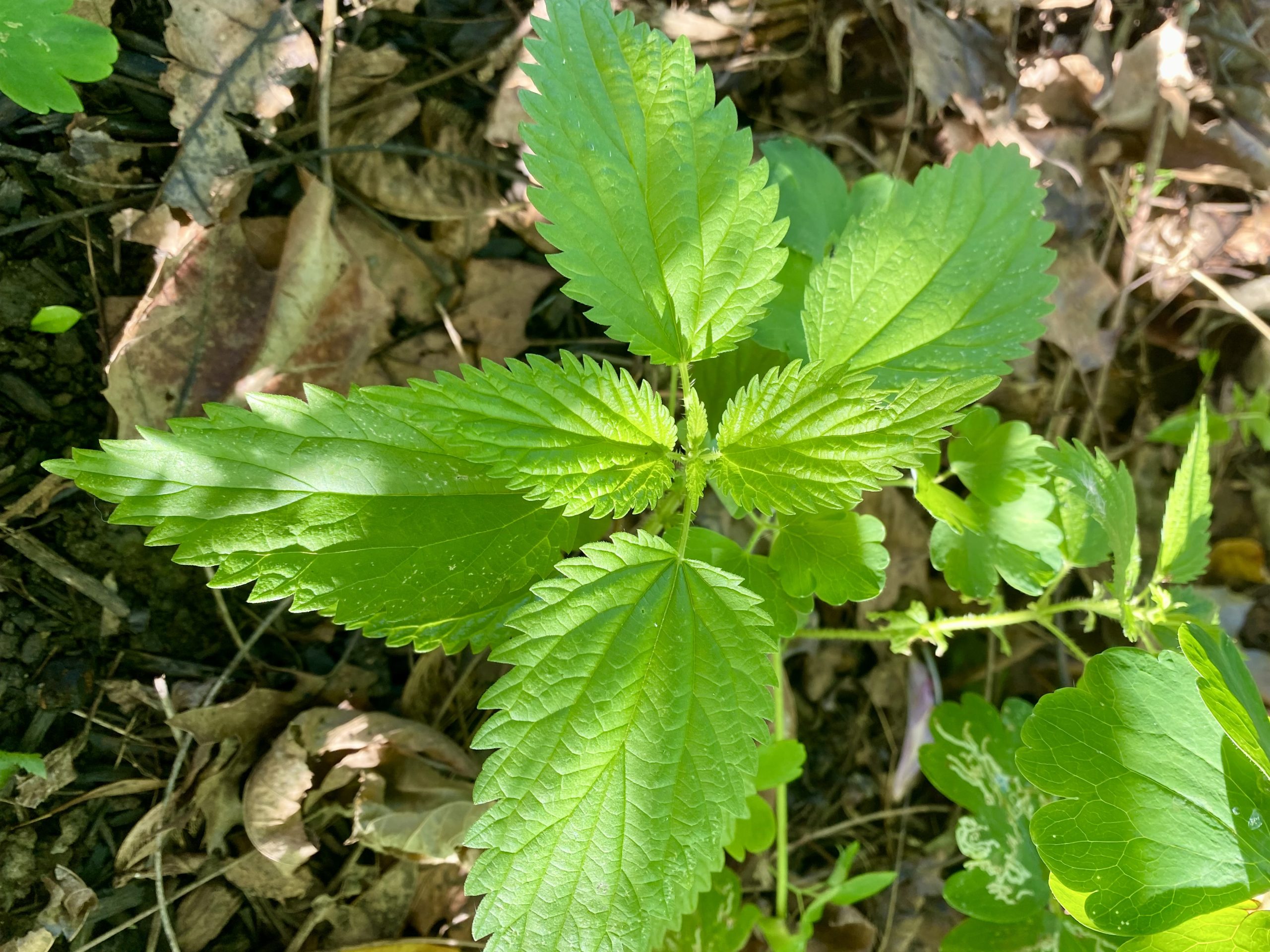
Stinging Nettle
Disclosure: This post may contain affiliate links. Learn more here.
Every spring, as the ground begins to soften and the first deep greens return, I find myself drawn to the same places along the edges of our homestead. Near the fence lines, along the wood line, and in the damp soil where the earth seems especially alive again after winter searching for stinging nettle.
That’s where this plant quietly grows, often unnoticed unless you’ve learned to look for it.
Most people remember it for its sting. And it’s true—if you brush against it carelessly, you’ll feel it. But over time, I’ve come to see that as part of its nature, not something to avoid entirely, but something that teaches you to slow down and handle it with intention.
What keeps me coming back year after year isn’t just its usefulness, but its nourishment.
This is one of the herbs I value most during pregnancy and breastfeeding. During seasons when a mother’s body is giving so much—building, sustaining, and pouring out to nourish a child—this plant offers a way to replenish what is being used. It provides minerals and nutrients that support the body in a deep, steady way, helping restore what’s needed to continue that work of growing and sustaining another human being with an eternal soul.
In our home, I return to it often as a simple tea or in capsule form, letting it become part of the daily rhythm rather than something reserved for special occasions. Over time, it becomes less of a remedy and more of a foundation.
Botanical Overview of Stinging Nettle
Identification and Growth Habit
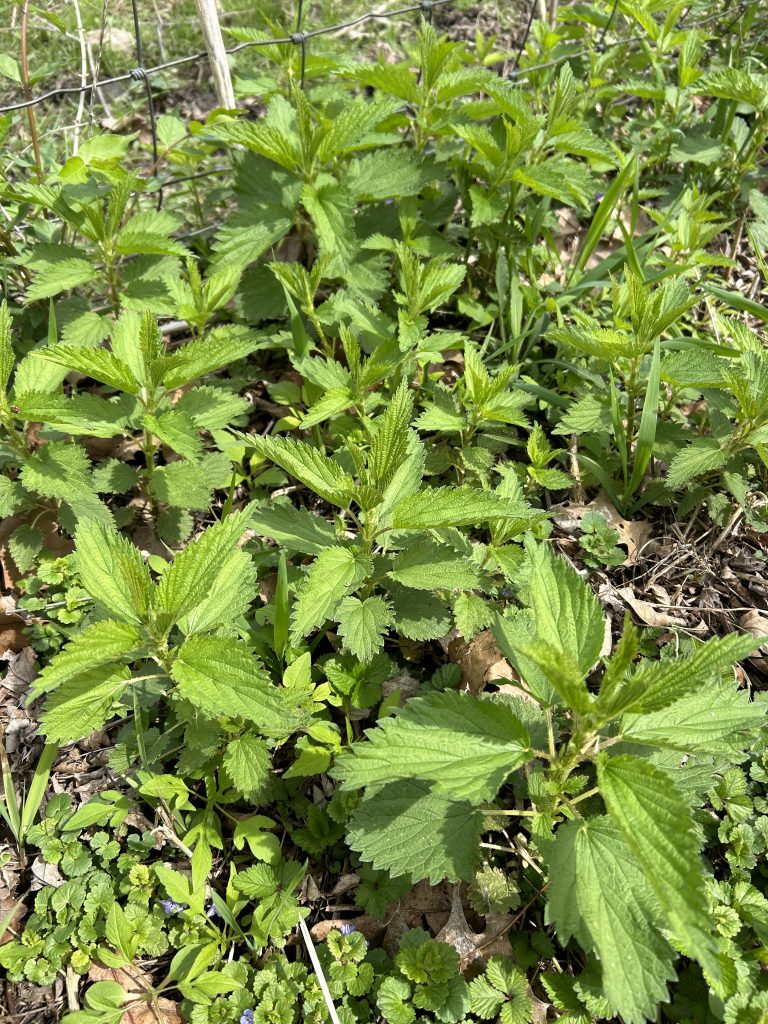
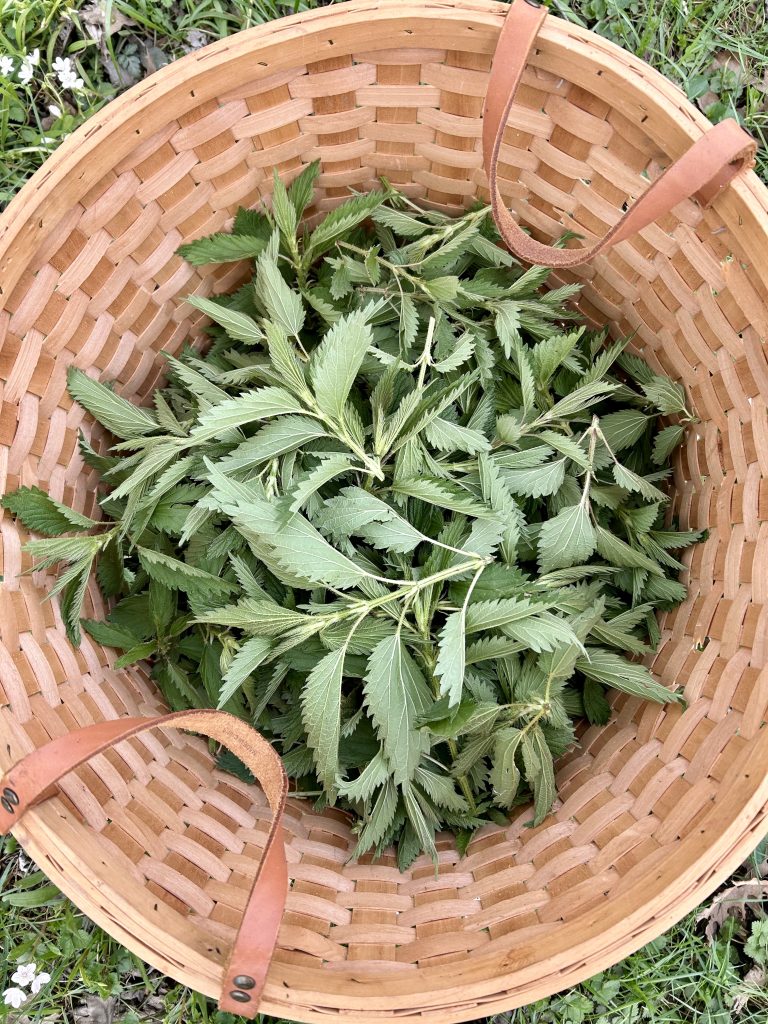
Stinging nettle is a perennial plant that typically grows between three and seven feet tall when mature. The leaves are deep green, heart-shaped, and serrated along the edges, with fine hairs covering both stems and leaves. These hairs are responsible for the sting that occurs when the plant is touched raw.
As the plant matures, small clusters of greenish flowers form along the stems. Once you learn to recognize it, stinging nettle becomes easy to identify in the wild. Especially in dense patches where it thrives year after year.
Natural Habitat and Growing Conditions
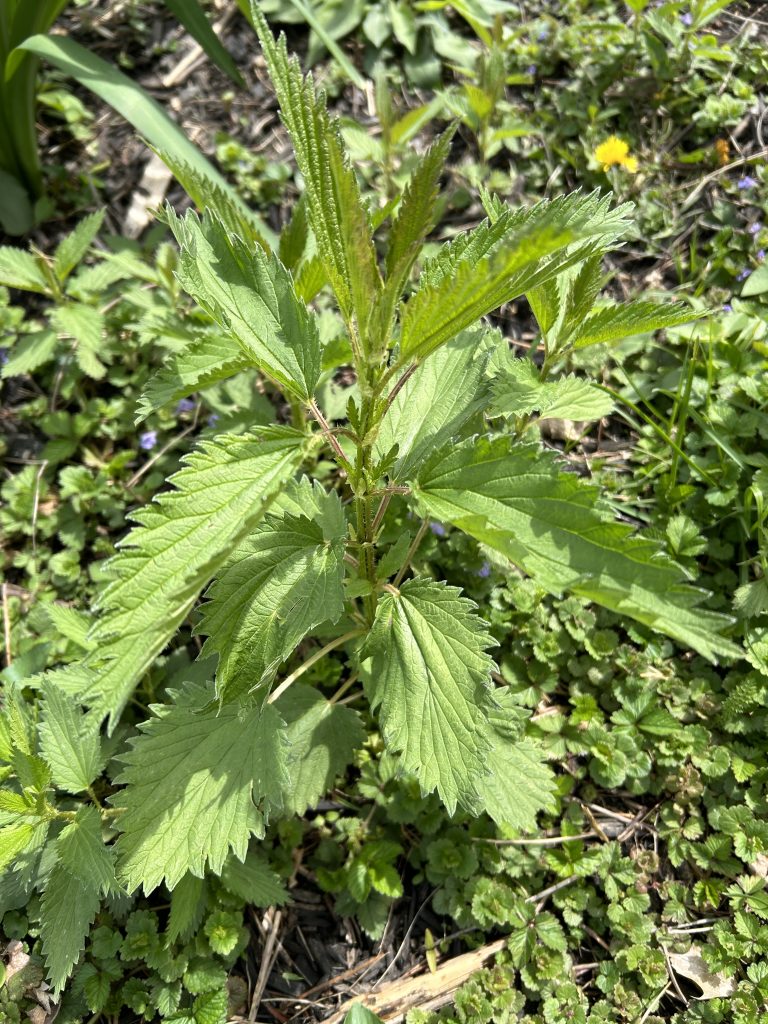
Stinging nettle prefers nutrient-rich, moist soil and is commonly found near streams, forest edges, and undisturbed areas of land. It tends to grow in colonies, which makes harvesting more efficient once a healthy patch is located.
In the Midwest, particularly in zone 6a, it begins emerging in early spring and reaches peak tenderness between April and June. This early growth stage is when the plant holds the highest nutrient density and the most ideal flavor for harvest.
Herbal Energetics of Stinging Nettle
In herbalism, energetics describe how a plant interacts with the body on a foundational level, not just what symptoms it may address. Stinging nettle is considered cooling and drying in nature, while also being gently stimulating and deeply nutritive.
This combination makes it especially supportive for individuals experiencing inflammation, fluid retention, sluggish elimination, or general depletion. Rather than forcing the body in one direction, it helps restore balance by gently encouraging movement while also rebuilding internal reserves.
Over time, it acts as a tonic herb, meaning its benefits are most noticeable with consistent use rather than immediate effect.
Medicinal Actions and Nutritional Value
Stinging nettle is widely known for its anti-inflammatory properties. Particularly in relation to joint discomfort and chronic inflammatory patterns in the body. It has also been traditionally used for seasonal allergies due to its natural ability to modulate histamine response.
One of its most important contributions is its mineral profile. It contains significant levels of iron, calcium, magnesium, potassium, and trace minerals that support overall vitality. These nutrients are highly usable by the body, making it especially valuable during periods of increased demand such as pregnancy, postpartum recovery, or chronic stress.
It also supports the urinary system by encouraging gentle diuresis, helping the body release excess fluid while supporting kidney function. Over time, this contributes to a sense of lightness and internal balance.
How Stinging Nettle Supports the Body
Nervous System and Mineral Replenishment
The nervous system relies heavily on minerals like magnesium and calcium for proper function. Stinging nettle provides these nutrients in a naturally balanced form, which can help support individuals experiencing burnout, irritability, or nervous exhaustion.
Women’s Health, Pregnancy, and Breastfeeding
One of the most meaningful uses of stinging nettle in my own life has been during pregnancy and breastfeeding. These seasons require extraordinary nutritional output from the body, often without equal replenishment.
Stinging nettle helps restore what is being used to grow and sustain life, particularly iron and mineral stores. This is why I return to it so consistently during these stages, as it supports both the mother and the ongoing work of nourishing a child.
Skin, Hair, and Overall Vitality
With consistent use, stinging nettle can support clearer skin, stronger hair, and improved overall vitality. These external changes often reflect deeper internal nourishment rather than surface-level correction.
Foraging and Harvesting Stinging Nettle
Recommended Equipment
Seasonal Timing and Harvest Window
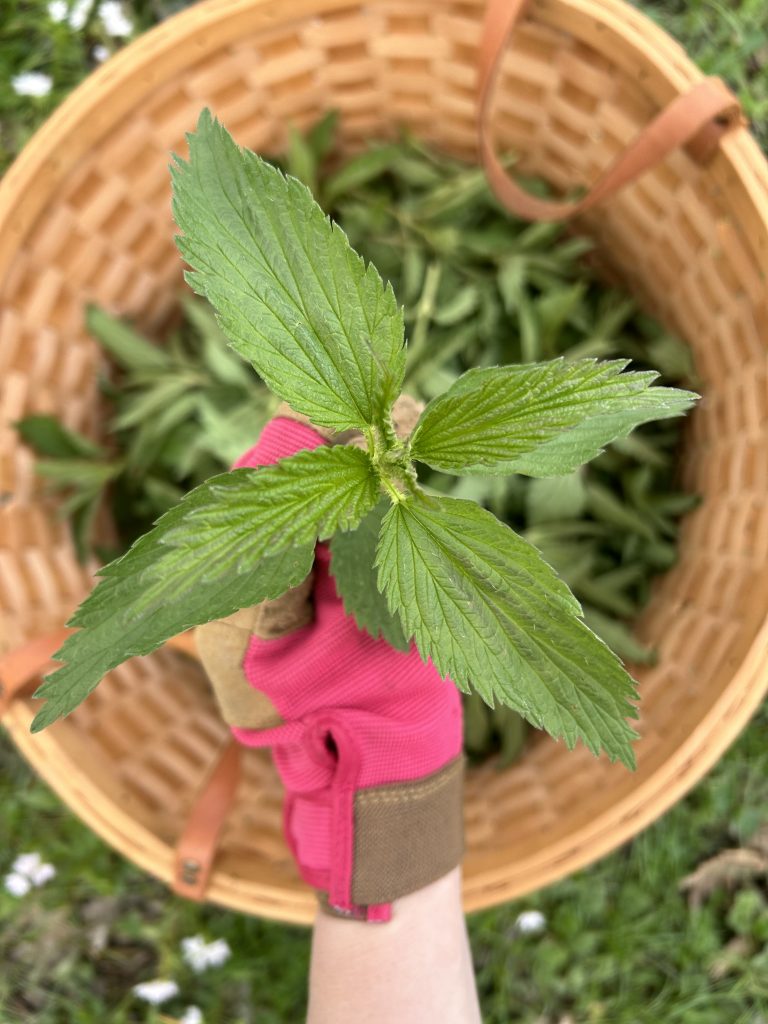
The best time to harvest stinging nettle is in early spring when the plant is young and tender. During this stage, the leaves are more palatable and the nutrient density is at its highest. As the plant matures, the texture becomes tougher and the flavor more bitter.
Ethical Harvesting Practices
When harvesting, it is important to take only the top portion of the plant, usually the upper four to six inches. This allows the plant to continue growing and supports long-term sustainability within the patch.
Protective gloves and long sleeves are typically used during harvest to avoid the sting from fresh plant hairs. Once dried or cooked, the sting is completely neutralized.
Preserving Stinging Nettle for Year-Round Use
Drying for Long-Term Storage
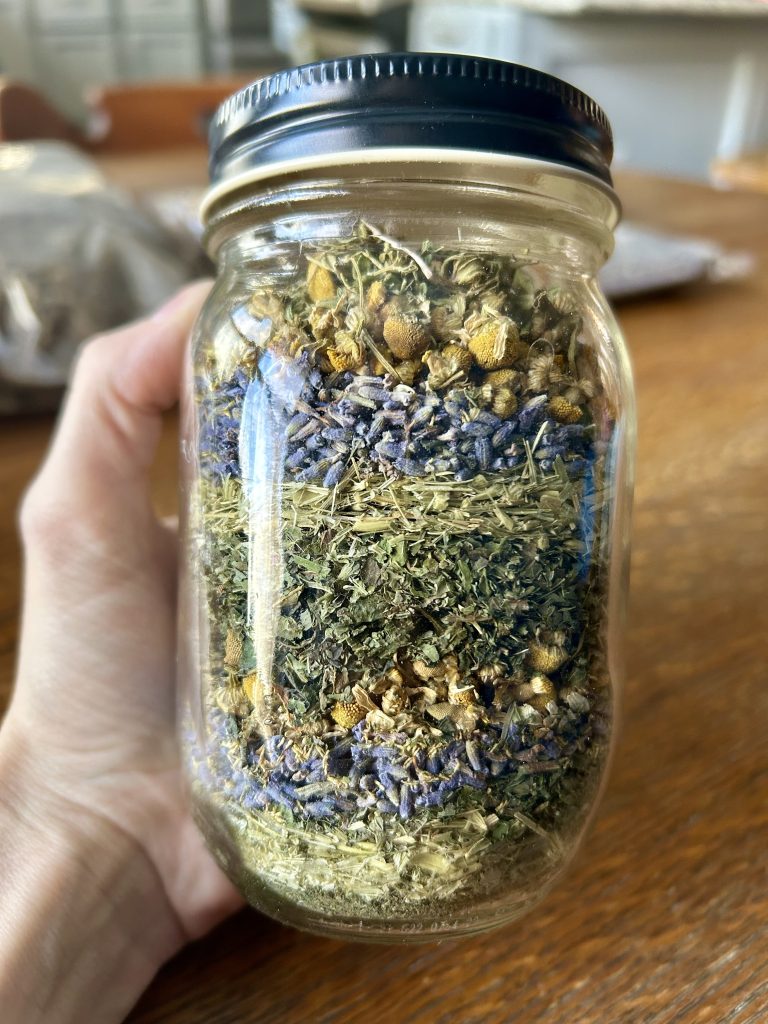
Drying is one of the most effective ways to preserve stinging nettle for long-term use. Once dried, it loses its sting entirely and can be stored for months without losing its nutritional value.
The plant can be air-dried in small bundles, laid flat in a well-ventilated space, or placed in a dehydrator on low heat. Once fully dried, it should be stored in airtight containers away from light and moisture.
For a full step-by-step guide on this process, you can refer to my detailed herb drying guide here: Drying Herbs Naturally
Freezing for Culinary Use
Freezing is another method used for preserving stinging nettle, especially if it will be used in cooking. The leaves are typically blanched briefly, cooled in ice water, and then stored in freezer-safe containers or bags.
This method preserves both texture and nutritional value, making it easy to add to soups, eggs, or sautéed dishes throughout the year.
Tinctures and Infusions
Stinging nettle can also be preserved in alcohol as a tincture or prepared as a long infusion using dried plant material. These methods allow for concentrated and shelf-stable forms that can be used as needed for ongoing support.
How to Use Stinging Nettle in Daily Life
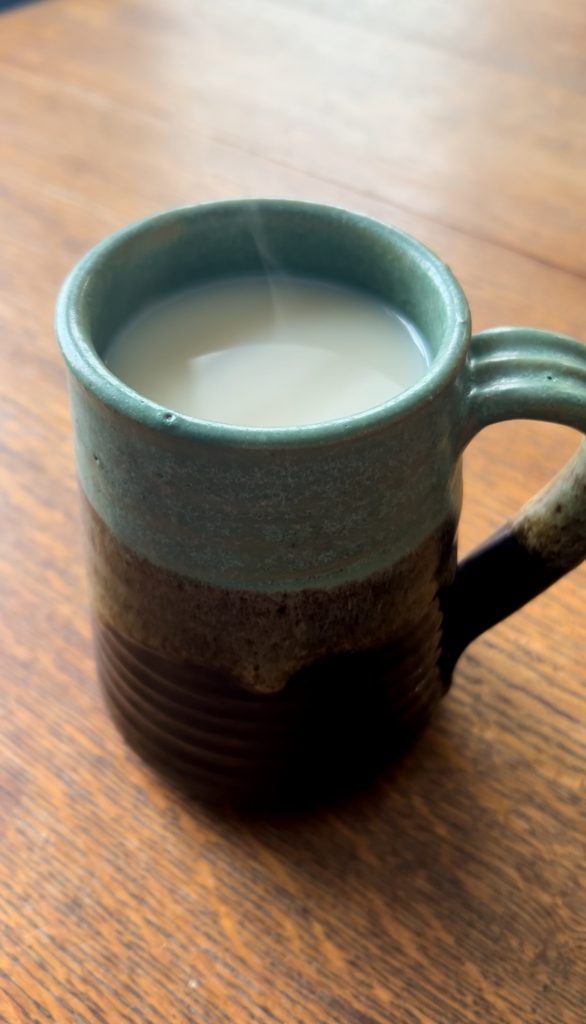
In our home, stinging nettle is used most often as a simple herbal tea or in capsule form. The tea is typically made from dried leaves and steeped for longer infusions to extract minerals fully into the water.
It can also be incorporated into cooking once cooked, where the sting is completely removed. In this form, it blends well into soups, stews, and egg-based meals, offering an easy way to increase daily mineral intake.
Final Thoughts
Stinging nettle works slowly and steadily, helping to rebuild what has been depleted over time rather than masking symptoms.
For mothers, especially during pregnancy and breastfeeding, it can become a foundational part of nourishment, supporting the body in one of its most demanding roles. There is something deeply meaningful about using plants in this way. Where food and medicine overlap and daily care becomes both simple and intentional.
Over time, stinging nettle becomes less of a remedy and more of a steady companion in the rhythm of a well-tended home.
