

Rose Hips
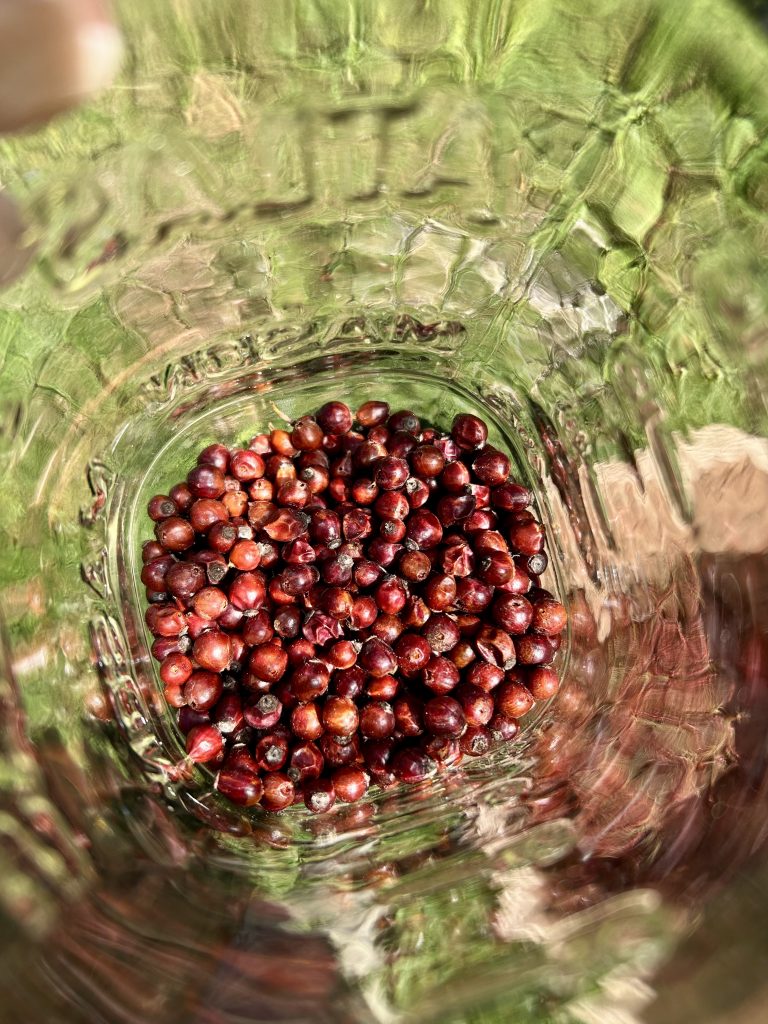
Rose hips (Rosa spp.), the fruit of wild and cultivated rose plants, have long been revered in herbal traditions for their rich nutrient content and wide-ranging medicinal benefits. These small, vibrant fruits, often harvested after the first frost. They are not only packed with vitamin C but also offer a multitude of other vitamins, minerals, and bioactive compounds that promote healing and wellness. In this comprehensive guide, we’ll explore the herbal energetics of rose hips, their therapeutic properties, and how they support various systems in the human body.

Herbal Energetics of Rose Hips
In traditional herbal medicine, plants are often categorized based on their energetic qualities, such as temperature (heating or cooling), moisture (drying or moistening), and action (tonifying, stimulating, etc.). These energetics help herbalists determine how a plant interacts with the body and in what contexts it is most beneficial.
- Cooling: Due to their astringent and sour qualities, this powerful herb has a cooling effect on the body. They help soothe heat-related conditions such as inflammation and fever.
- Slightly Moistening: Though not strongly demulcent, rose hips do offer some moistening action, particularly beneficial for dry or irritated tissues. Their high pectin content makes them slightly mucilaginous, which can help soothe dry mucous membranes.
- Astringent: The tannins in the hips give them a tightening and toning effect, making them particularly useful for conditions involving tissue weakness, excess fluid, or leakage (such as diarrhea or excessive sweating).

Medicinal Actions
Rose hips have a broad range of medicinal actions that make them useful in treating various conditions. Let’s take a closer look at their primary therapeutic actions:
Antioxidant:
They are rich in powerful antioxidants, particularly vitamin C, flavonoids, carotenoids, and polyphenols. These compounds neutralize free radicals in the body, reducing oxidative stress, which can otherwise contribute to chronic diseases like cancer, cardiovascular disease, and premature aging.
Anti-inflammatory:
Due to their high antioxidant content, rose hips exhibit strong anti-inflammatory effects. Research has shown that rose hips, particularly in powdered form, can help reduce inflammation in conditions such as osteoarthritis and rheumatoid arthritis. This makes them a valuable natural remedy for joint pain and swelling.
Immunomodulatory:
With their impressive vitamin C levels, the fruit enhances immune function by stimulating the production of white blood cells and strengthening the body’s defenses against infections. Regular consumption of rose hips can reduce the frequency and severity of colds, flu, and other viral infections.
Astringent and Toning:
The tannins in rose hips lend them an astringent property, which helps tone and tighten tissues. This makes rose hips effective for treating diarrhea, excessive menstrual bleeding, and conditions where there is a loss of tone in the tissues, such as varicose veins or hemorrhoids.
Digestive Support:
They are known to have a mild laxative effect due to their fiber content, which supports healthy digestion and regular bowel movements. They also help reduce intestinal inflammation, making them useful in managing conditions like colitis or irritable bowel syndrome (IBS).
Cardiovascular Health:
Studies have shown that the hips can lower cholesterol and improve heart health by reducing oxidative stress and inflammation in the cardiovascular system. Their flavonoids and other bioactive compounds help strengthen blood vessel walls, improve circulation, and reduce the risk of atherosclerosis (hardening of the arteries).
Skin Healing:
Rose hips, particularly the oil extracted from their seeds, are renowned for their skin-healing properties. Rose hip oil is rich in essential fatty acids and antioxidants that promote skin regeneration, reduce scars and wrinkles, and improve overall skin health. This makes it a popular ingredient in natural skincare for treating conditions like eczema, sun damage, and premature aging.
How Rose Hips Support the Human Body
With such a wide range of actions, rose hips benefit numerous systems within the body. Let’s break down their specific effects on the human body:
- Immune System:
As one of the richest natural sources of vitamin C, they are a potent immune booster. Vitamin C plays a key role in stimulating immune cells, enhancing the body’s ability to fight infections. During cold and flu season, rose hips can be taken daily to bolster immune defenses, reduce the severity of symptoms, and speed recovery. - Joints and Bones:
Rose hips’ anti-inflammatory properties are particularly beneficial for people with arthritis or other joint issues. Clinical studies have shown that rose hip powder can significantly reduce pain and stiffness in osteoarthritis sufferers. This makes movement easier and improving quality of life. Additionally, the vitamin C in rose hips supports collagen production, which is essential for healthy joints, bones, and connective tissues. - Skin and Hair:
Rose hips nourish the skin from the inside out. The high levels of vitamin C and antioxidants help stimulate collagen production. This reduces wrinkles and keeps the skin looking firm and youthful. The fatty acids in rose hip oil deeply moisturize and repair damaged skin. Thus, making it an ideal treatment for scars, stretch marks, and dry patches. Additionally, the antioxidant and anti-inflammatory properties of rose hips help protect the skin from environmental damage and prevent premature aging. - Digestive System:
The fiber and pectin in rose hips gently support the digestive system. They can relieve constipation, soothe inflamed tissues in the digestive tract, and restore balance after episodes of diarrhea. The moistening properties also help alleviate dry, irritated mucous membranes, making them an excellent choice for gut inflammation or ulcers. - Respiratory System:
This herb has traditionally been used to support lung health. Their cooling and moistening properties make them particularly useful in treating dry, irritating coughs and lung conditions characterized by heat and inflammation. They can also soothe sore throats and help clear out excess mucus. - Cardiovascular System:
Rose hips contribute to heart health by lowering LDL (“bad”) cholesterol and protecting blood vessels from oxidative stress. This helps reduce the risk of developing cardiovascular diseases such as hypertension, stroke, and heart attacks. Regular consumption of the hips can improve circulation and overall cardiovascular function, thanks to their combination of antioxidants, flavonoids, and anti-inflammatory compounds.
Ways to Use Rose Hips Medicinally
There are numerous ways to incorporate rose hips into your herbal regimen, depending on your needs and preferences. Below are some of the most common medicinal preparations of rose hips:
- Tea:
A simple infusion of the dried hips makes a delicious and nourishing tea. Steep 1–2 teaspoons of dried rose hips in boiling water for 10–15 minutes. Strain and enjoy. This tea is an excellent immune booster and can help soothe sore throats and support lung health. - Syrup:
To create a potent immune tonic, simmer fresh or dried rose hips in water until soft, strain the liquid, and add honey or another natural sweetener. Take a spoonful during cold and flu season or add to drinks for a vitamin C boost. - Powder:
Dried rose hips can be ground into a powder and added to smoothies, yogurt, or even baked goods. Rose hip powder is particularly useful for those looking to improve joint health or reduce inflammation. It contains concentrated amounts of antioxidants and anti-inflammatory compounds. - Infused Oil:
Rose hip seed oil is widely useful for its skin-healing properties. Apply it topically to scars, wrinkles, and other areas of skin damage for enhanced regeneration and repair. One can use as a daily facial moisturizer to keep the skin soft and youthful. - Tinctures and Capsules:
For those who prefer a concentrated dose, rose hips can be tinctured or taken in capsule form. These preparations are ideal for supporting immune function, joint health, or general wellness when taken regularly.
Nature’s Healing Fruit
This herb is a versatile and potent herbal ally, offering support for a wide array of health conditions. These small fruits pack a powerful punch, boosting immunity, reducing inflammation, nourishing the skin, and supporting heart health. When you incorporate this medicinal herb into your herbal medicine cabinet, you embrace centuries of healing tradition. Unlock the many benefits of one of nature’s richest sources of vitality.
Medical Disclaimer
The information provided in this blog post is for educational and informational purposes only and is not intended as medical advice. I am not a licensed healthcare professional, and the content shared on this website is not a substitute for professional medical guidance, diagnosis, or treatment.
Always consult a qualified healthcare provider before making any changes to your health regimen, especially if you are pregnant, nursing, taking medications, or have any existing health conditions. Do not disregard medical advice or delay seeking it because of something you have read on this website.
Herbal remedies and natural wellness practices can support the body, but they are not one-size-fits-all. Every individual is unique, and what works for one person may not be suitable for another.
While I strive to share accurate, up-to-date, and well-researched herbal knowledge based on traditional and modern sources, I make no guarantees regarding the results you may experience.
By using this blog and engaging with its content, you acknowledge that you do so at your own risk. I am not responsible for any adverse effects or consequences resulting from the use or misuse of any information provided here.
