

Honey Fermented Garlic
Comprehensive Guide to Honey Fermented Garlic
Disclosure: This post may contain affiliate links. Learn more here.
Honey fermented garlic is a natural remedy that blends the powerful medicinal properties of raw garlic with the health benefits of raw honey. Through fermentation, this combination transforms into a unique, slightly tangy, and delicious mixture that can be used to enhance immunity, soothe sore throats, and promote better digestion. In this guide, we’ll explore its benefits, walk you through the preparation process, and provide tips for using it effectively.
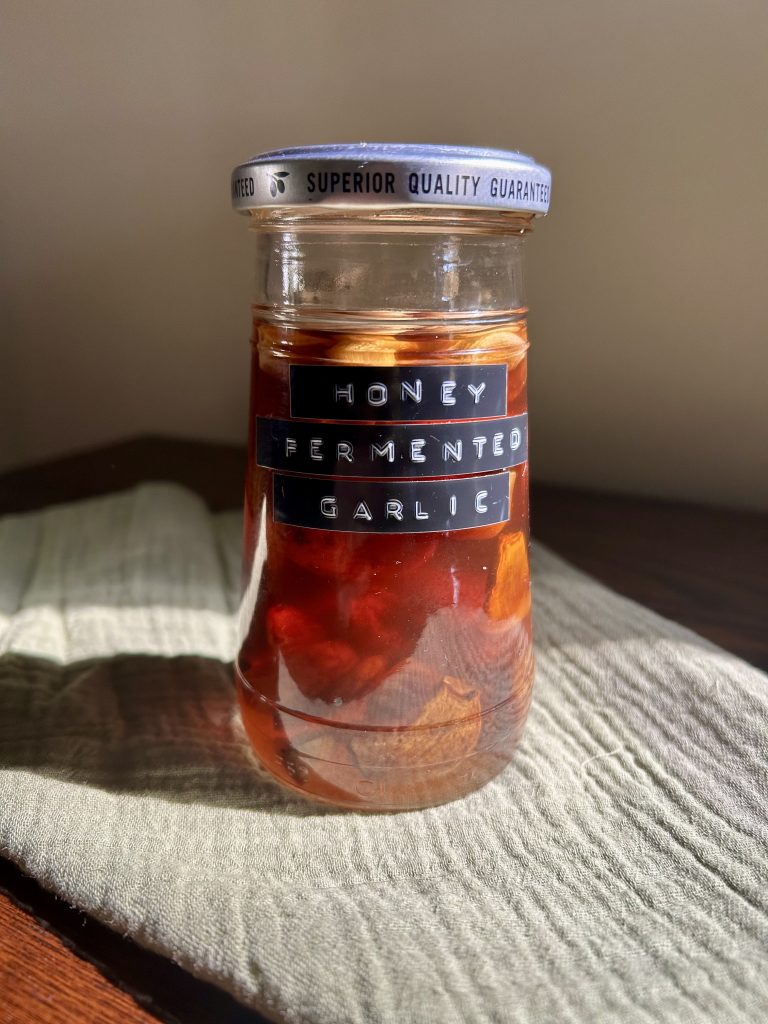
Benefits of Honey Fermented Garlic
First and foremost, it’s essential to understand why fermented garlic honey is so beneficial. When garlic and honey are combined, they create a potent remedy that offers numerous health advantages:
- Immune System Support
Garlic contains allicin, a powerful compound known for its antimicrobial, antiviral, and anti-inflammatory properties. This makes it particularly effective in helping the body fend off infections. Meanwhile, honey is rich in antioxidants and has antibacterial qualities that not only soothe sore throats but also reduce inflammation. - Digestive Health
Additionally, fermented garlic contributes probiotics, which promote gut health by fostering a balanced gut flora. Simultaneously, honey aids digestion by encouraging the growth of beneficial bacteria in the gut, creating a synergy that supports digestive wellness. - Heart Health
Moreover, garlic may contribute to heart health by helping lower blood pressure and cholesterol levels. The antioxidants in honey further support cardiovascular health by reducing oxidative stress. - Cold and Flu Relief
Both garlic and honey have long been used as traditional remedies for alleviating symptoms of the common cold, such as sore throats and coughs. Together, they provide a natural, effective defense during cold and flu season.
Ingredients
To make fermented garlic honey, you will need the following ingredients:
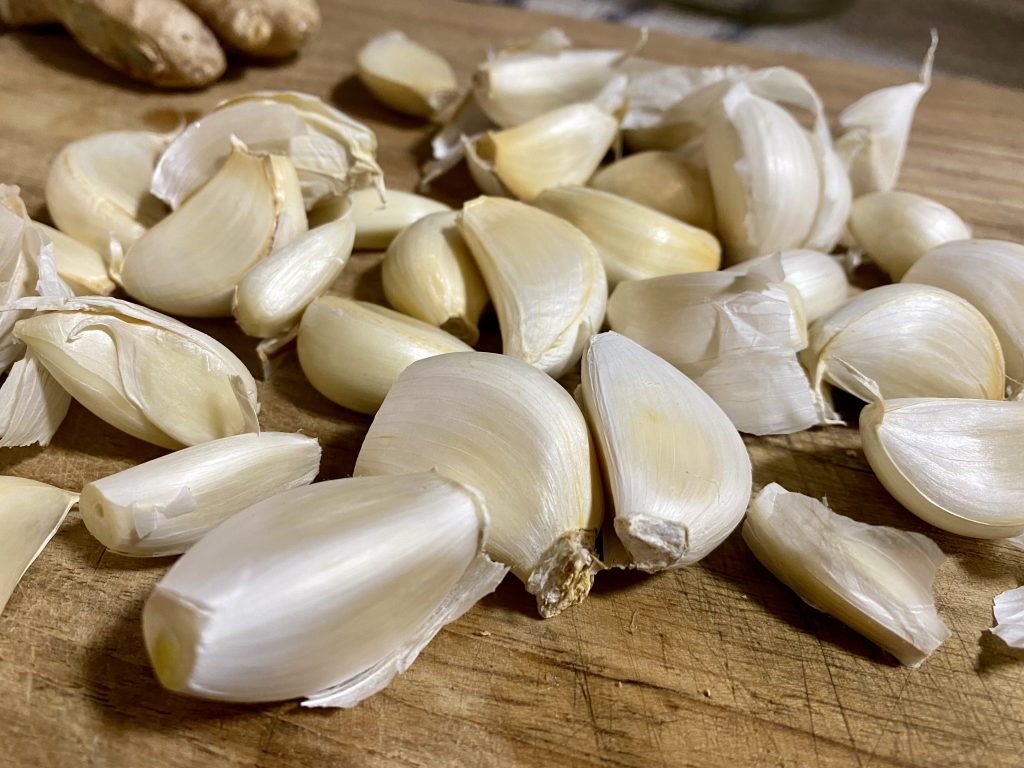
- 10-12 cloves of raw, organic garlic
- 1 cup of raw, unfiltered honey
- A clean, sterile mason jar with a tight-fitting lid
How to Make Honey Fermented Garlic
Step 1: Prepare the Ingredients
Begin by peeling the garlic cloves. You can lightly crush them with the flat side of a knife to loosen the skins, making peeling easier. Crushing the garlic is also beneficial because it activates allicin, the key compound in garlic that provides many of its health benefits.
At this stage, you have the option to either leave the garlic cloves whole or chop them into smaller pieces, which can help speed up the fermentation process.
Step 2: Combine Garlic and Honey
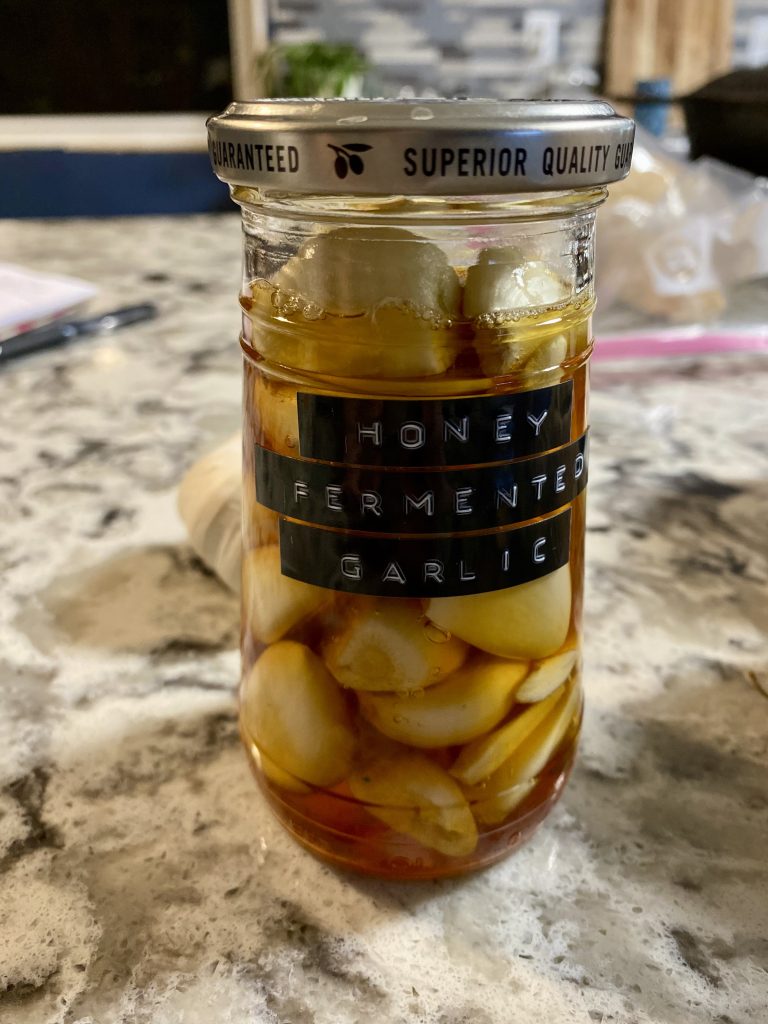
Next, place the peeled garlic cloves into a mason jar. Afterward, pour the honey over the garlic, making sure the cloves are fully submerged. Be sure to leave some space at the top of the jar to accommodate the expansion that will occur during fermentation.
Step 3: Stir and Secure the Jar
Once you’ve combined the garlic and honey, stir the mixture gently with a clean spoon to ensure the garlic is well-coated. Then, loosely secure the lid on the jar to allow gases produced by fermentation to escape. Alternatively, you can use a fermentation lid to prevent any potential spillage.
Step 4: Begin the Fermentation Process
Now that your mixture is prepared, store the jar in a cool, dark place—such as a kitchen cabinet—at room temperature. During the first week, make sure to gently shake or stir the jar daily to keep the garlic coated in honey.
As the mixture ferments, you’ll start to notice bubbles forming and the honey becoming more liquid. This is a clear indication that fermentation is proceeding as expected.
Step 5: Wait and Check
After about 1-2 weeks, you should see signs of fermentation. The garlic will become softer, and the honey will take on a more liquid consistency with a slight tang. You can begin tasting the mixture after 2-4 weeks, depending on how mellow you want the flavor. The longer it ferments, the more pronounced the flavors will become.
Storage and Shelf Life
Once you’re happy with the fermentation process, tighten the lid on the jar and store it in the refrigerator or a cool, dark pantry. Fermented garlic honey can last for several months to a year if stored properly. The honey preserves the garlic naturally, and refrigeration helps slow down the fermentation process if needed.
Tips for Success
To ensure your honey fermented garlic turns out perfectly, here are a few tips:
- Use Raw Ingredients: Always make sure both your garlic and honey are raw and unprocessed. Heat-treated or pasteurized ingredients won’t ferment effectively and may lose some of their health benefits.
- Keep an Eye on Mold: While mold is rare, it’s important to check for any signs during the fermentation process. If mold forms, discard the batch and start fresh. Cleanliness is key to avoiding contamination.
- Monitor Gas Buildup: As fermentation progresses, gases may build up in the jar. Therefore, during the first week, it’s important to "burp" the jar daily. Simply open the lid briefly to release any accumulated gases to prevent spills or leaks.
How to Use Honey Fermented Garlic
Once your honey fermented garlic is ready, there are various ways to incorporate it into your daily routine:
- Cold and Flu Remedy: At the onset of cold or flu symptoms, take 1-2 cloves of fermented garlic with a spoonful of honey to reduce the severity and duration of symptoms.
- Immunity Booster: To strengthen your immune system, eat a clove of garlic daily or stir the honey into warm water or tea. Just make sure the liquid isn’t too hot to preserve the raw honey’s beneficial enzymes.
- Cough Syrup: A spoonful of honey on its own or mixed with lemon juice can help soothe a sore throat or relieve a cough.
- Culinary Uses: Add fermented garlic honey to your cooking by using it as a glaze for roasted vegetables, meats, or salads. It can also enhance marinades and dressings with a sweet, savory kick.
- Digestive Aid: For digestive support, take a spoonful of fermented honey to help promote healthy gut bacteria.
Frequently Asked Questions
1. How do I know the garlic is fermenting properly?
You’ll notice bubbles forming, and the garlic may start to float in the honey. Additionally, the garlic will soften over time, which are all good signs of fermentation.
2. Does it taste like garlic?
Yes, but the garlic’s sharpness mellows considerably during fermentation. The final flavor is soft, tangy, and infused into the honey, making it far less pungent than raw garlic.
3. Can I add it to hot liquids?
Yes, but avoid using boiling liquids, as excessive heat can destroy the beneficial enzymes and probiotics in the raw honey and garlic. Let the liquid cool slightly before adding.
In summary, honey fermented garlic is a simple, powerful remedy with a multitude of health benefits. Combining the antimicrobial properties of garlic with the immune-boosting power of honey creates a flavorful and versatile elixir that can be used both medicinally and in cooking. Whether you're looking to prevent illness, aid digestion, or simply enjoy a delicious new flavor, fermented garlic honey is a valuable addition to your kitchen.
Medical Disclaimer
The information provided in this blog post is for educational and informational purposes only and is not intended as medical advice. I am not a licensed healthcare professional, and the content shared on this website is not a substitute for professional medical guidance, diagnosis, or treatment.
Always consult a qualified healthcare provider before making any changes to your health regimen, especially if you are pregnant, nursing, taking medications, or have any existing health conditions. Do not disregard medical advice or delay seeking it because of something you have read on this website.
Herbal remedies and natural wellness practices can support the body, but they are not one-size-fits-all. Every individual is unique, and what works for one person may not be suitable for another.
While I strive to share accurate, up-to-date, and well-researched herbal knowledge based on traditional and modern sources, I make no guarantees regarding the results you may experience.
By using this blog and engaging with its content, you acknowledge that you do so at your own risk. I am not responsible for any adverse effects or consequences resulting from the use or misuse of any information provided here.
